Engagement
This or that: a Route 66 cruise east or the Osage Hills loop up toward Pawhuska. Pick one and tell us why. #RideNationOK #Route66 #OsageHills #TulsaRiders
Giveaway & Countdown
The BikersWin $20,000 motorcycle giveaway is officially rolling, Tulsa. Every rider who talks to us about a crash gets entered, free. Call Edwards & Patterson at (918) 387-8920 to ask how it works. #RideNationOK #BikersWin #20kGiveaway
Local OK & Rides
Historic Route 66 runs right through town, and the eastern stretch out toward Catoosa is one of the easiest good rides you can grab on a lunch break. Keep it on the short list. #RideNationOK #Route66 #TulsaRiders
Gear & New Iron
Your helmet has a shelf life. Even if it never hit the ground, the foam breaks down, so swap it out around the 5-year mark. Cheap insurance for the one part of you that does not heal. #RideNationOK #ATGATT #GearUp
Safety & OK Law
Oklahoma is an at-fault state, so the driver who hit you and their insurer are the ones who pay, not a no-fault policy of your own. Know that before you ever go down. Call Edwards and Patterson at (918) 387-8920. #RideNationOK #KnowYourRights #OklahomaRiders
Engagement
Tag your ride-or-die. The one you would call at 6am for a cold-morning coffee run. #RideNationOK #RideOrDie #OklahomaRiders
Giveaway & Countdown
Twenty grand toward your next ride. That is what is on the line, and getting in costs you nothing. #RideNationOK #MotorcycleGiveaway #TulsaRiders
Local OK & Rides
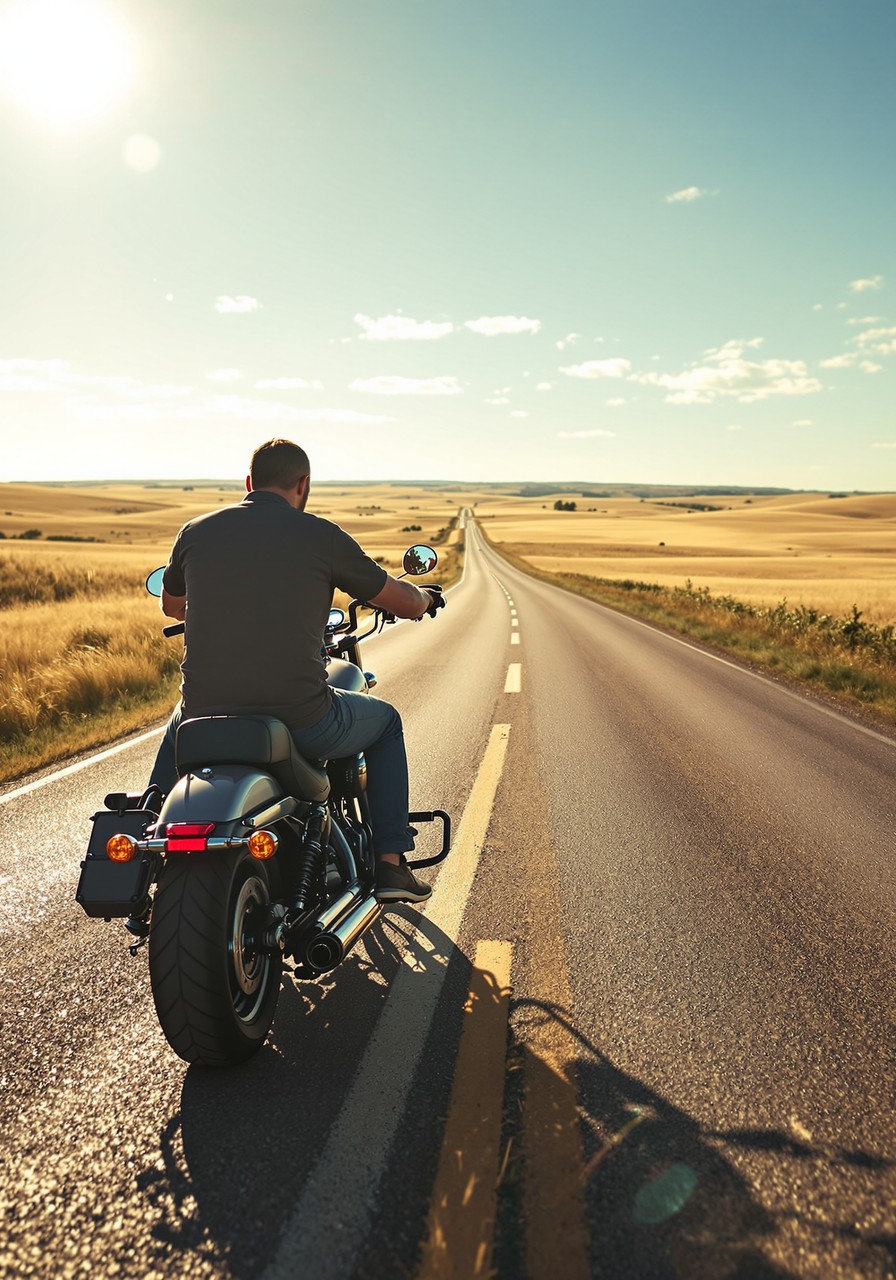
Route 66 west out of Tulsa toward Sapulpa is a quiet warmup when the traffic in town has you fried. Old road, old signs, easy pace. #RideNationOK #Route66 #GreenCountry
Gear & New Iron
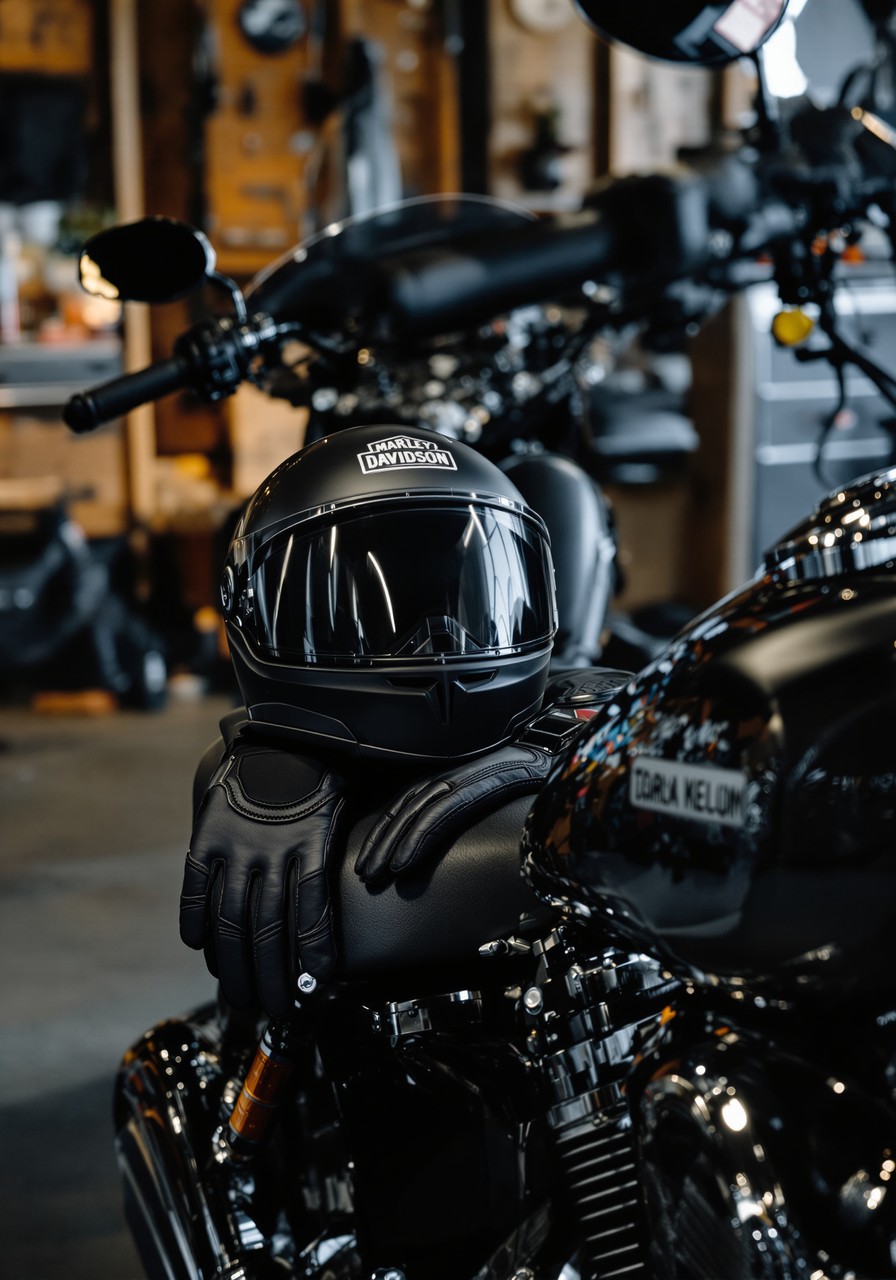
Oklahoma only requires a helmet under 18, but a good full-face is the smartest gear you own at any age. Check the DOT sticker and ride covered. #RideNationOK #GearUp #TulsaRiders
Safety & OK Law
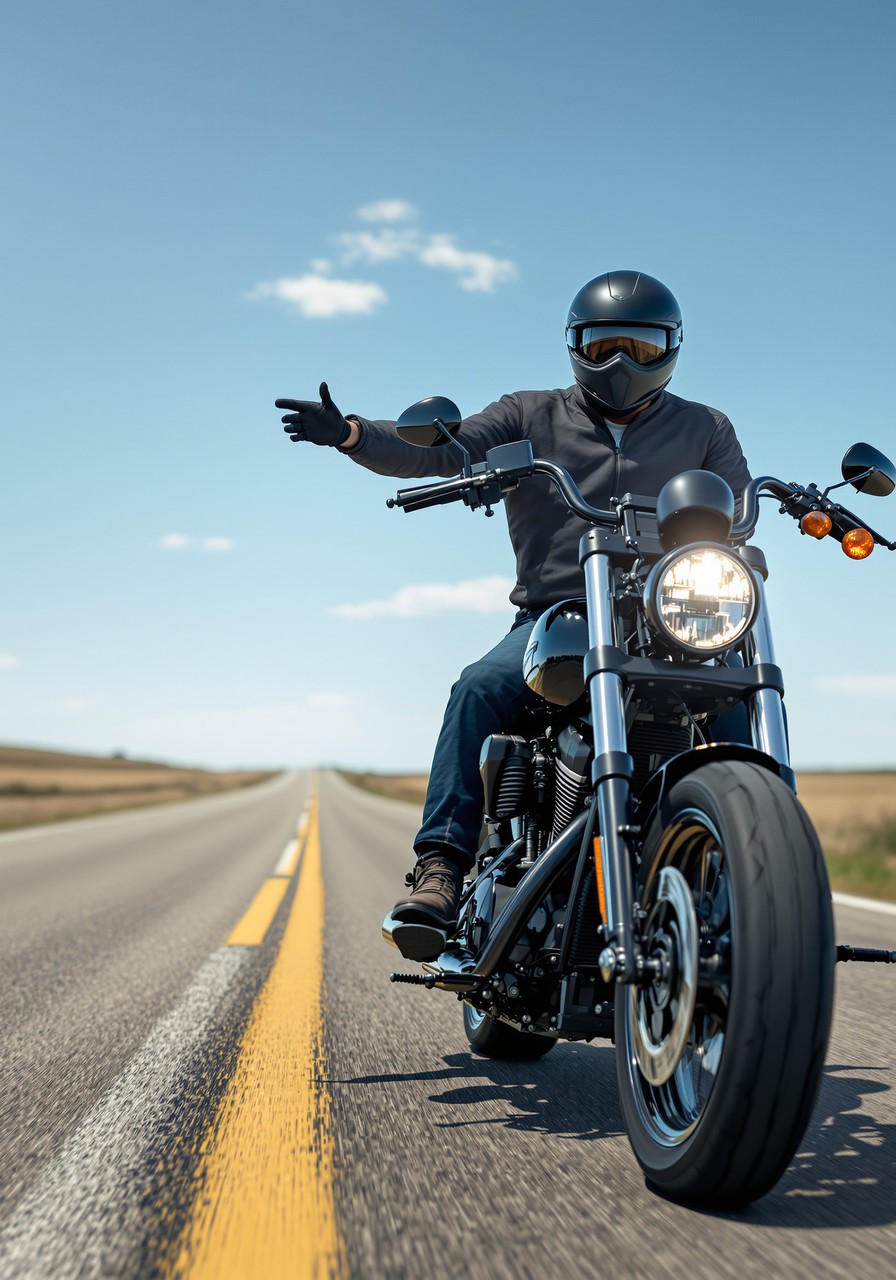
Oklahoma has one of the highest uninsured driver rates in the country, so your UM and UIM coverage is your real backstop out there. Ask us if yours is enough before you need it. (918) 387-8920. #RideNationOK #RiderRights #TulsaRiders
Engagement
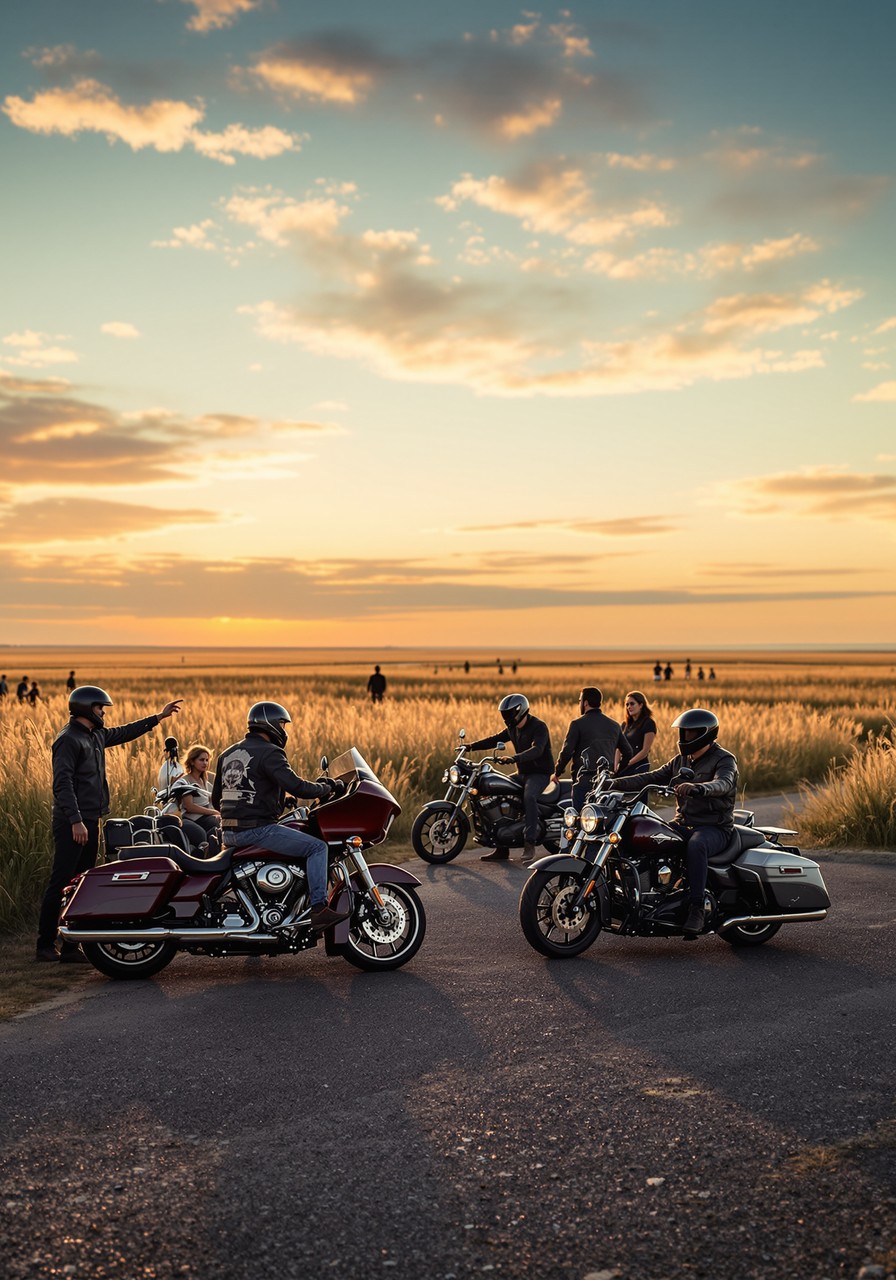
Fill in the blank: winter layup is bearable because ______. Go. #RideNationOK #TulsaRiders #TwoWheels
Giveaway & Countdown
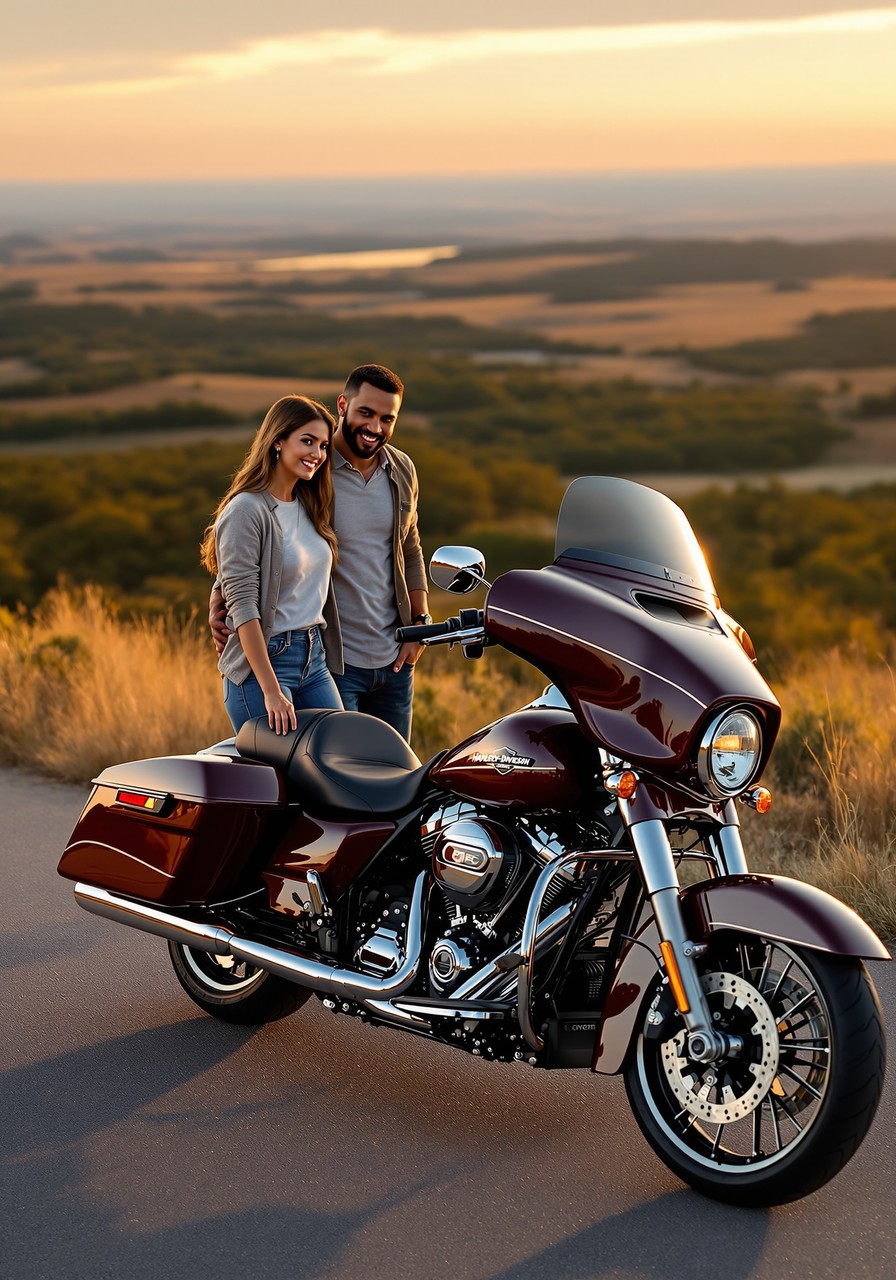
Wondering how to enter the BikersWin giveaway? A free case review about your wreck puts your name in. Ask us at (918) 387-8920. #RideNationOK #BikersWin #GreenCountry
Local OK & Rides
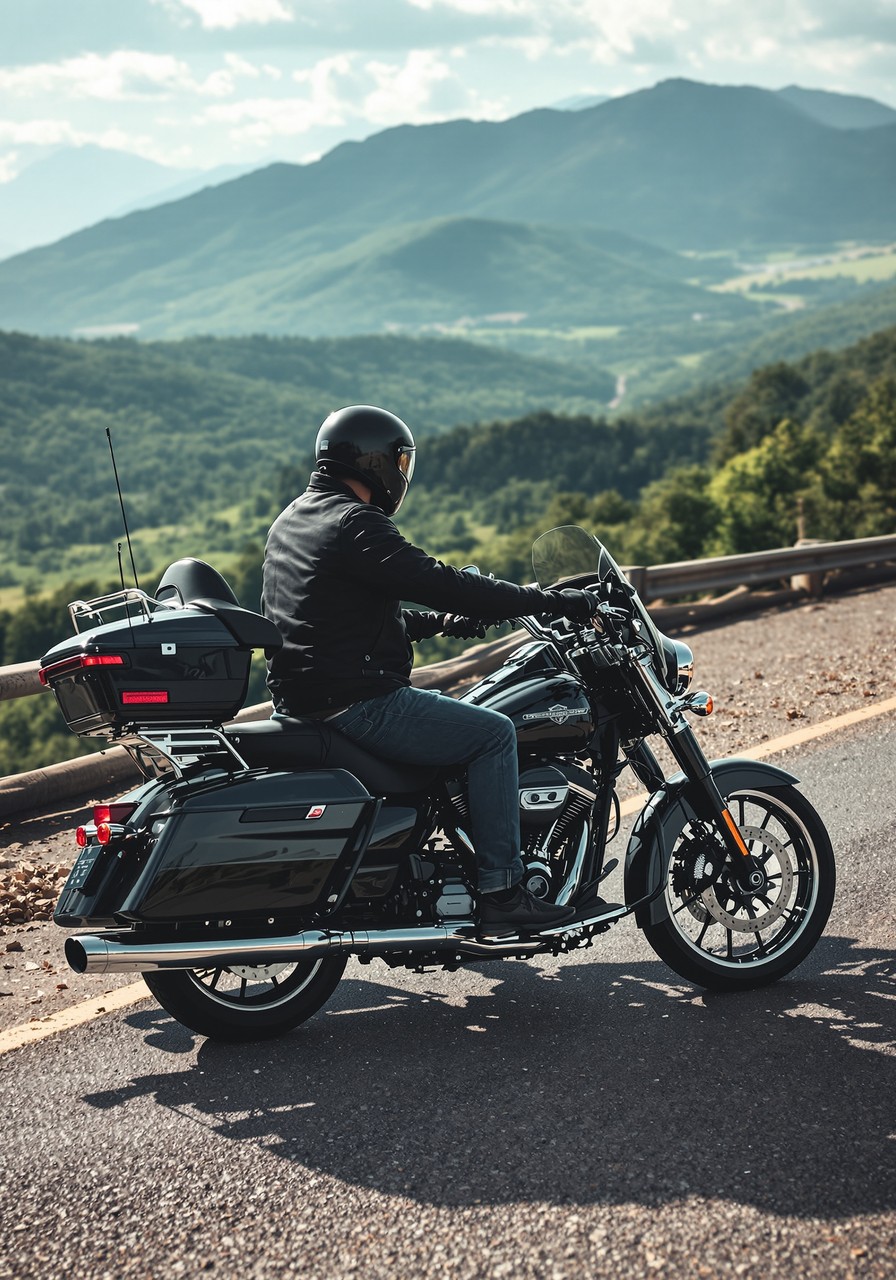
The Osage Hills north of town roll like nothing else in Green Country. When the leaves turn, that is where you want to be. #RideNationOK #OsageHills #OklahomaRiders
Gear & New Iron
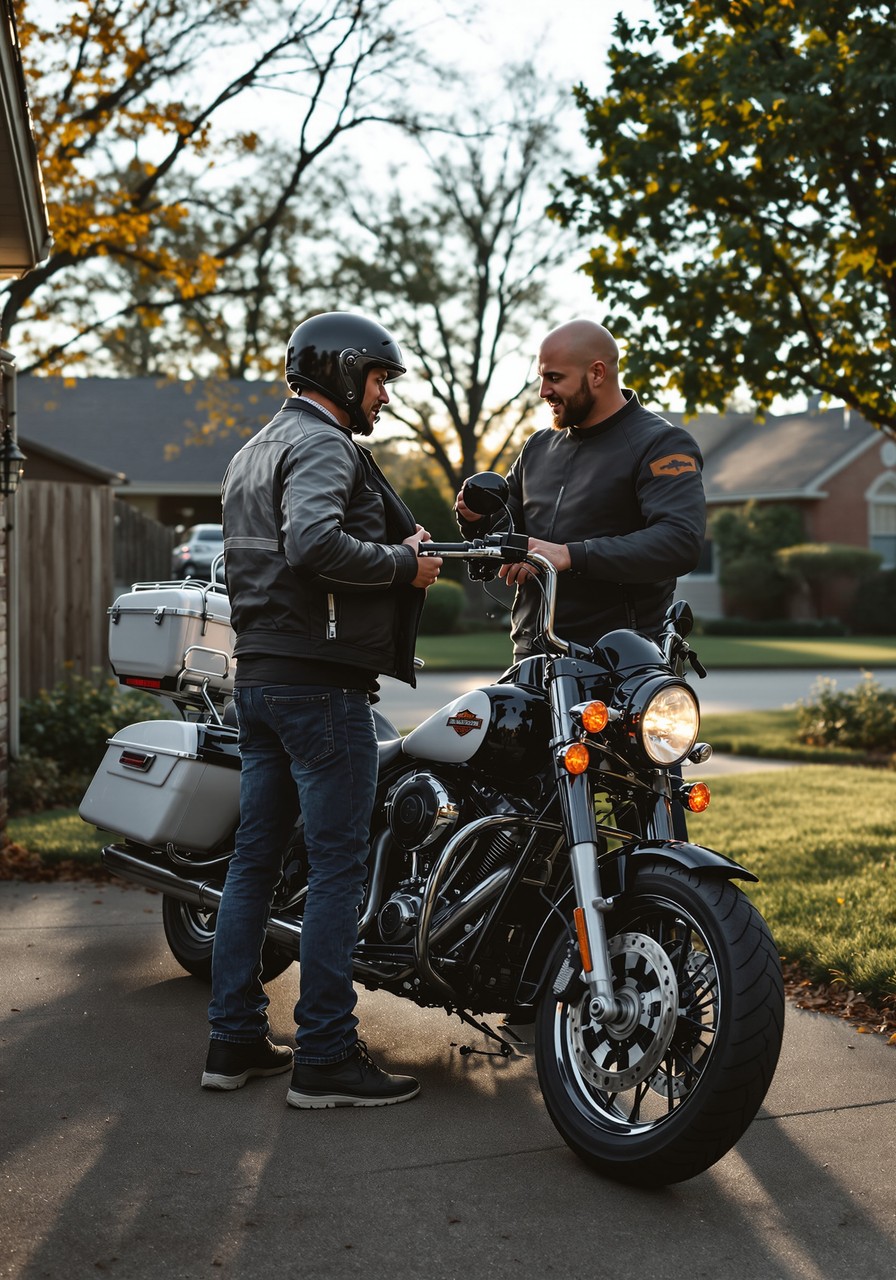
Dropped your lid in the garage? Replace it. A single hard knock can crush the inner foam even when the shell looks perfect. You cannot see the damage that matters. #RideNationOK #ATGATT #RiderTips
Safety & OK Law
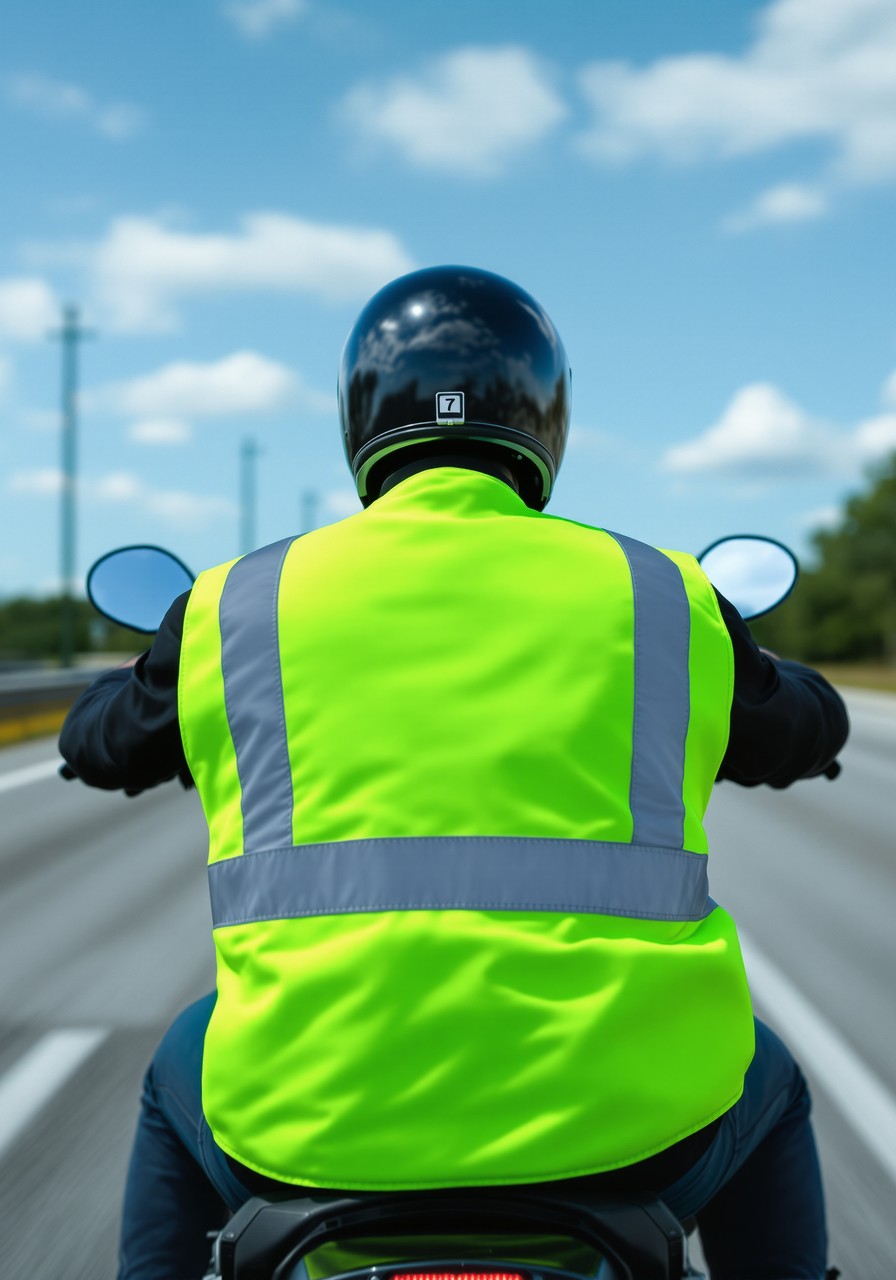
In Oklahoma the helmet law only applies under 18, so adults can legally ride without one. Insurers still try to use that choice against injured riders, so know your rights. Call (918) 387-8920. #RideNationOK #RiderRights #MotorcycleSafety
Engagement
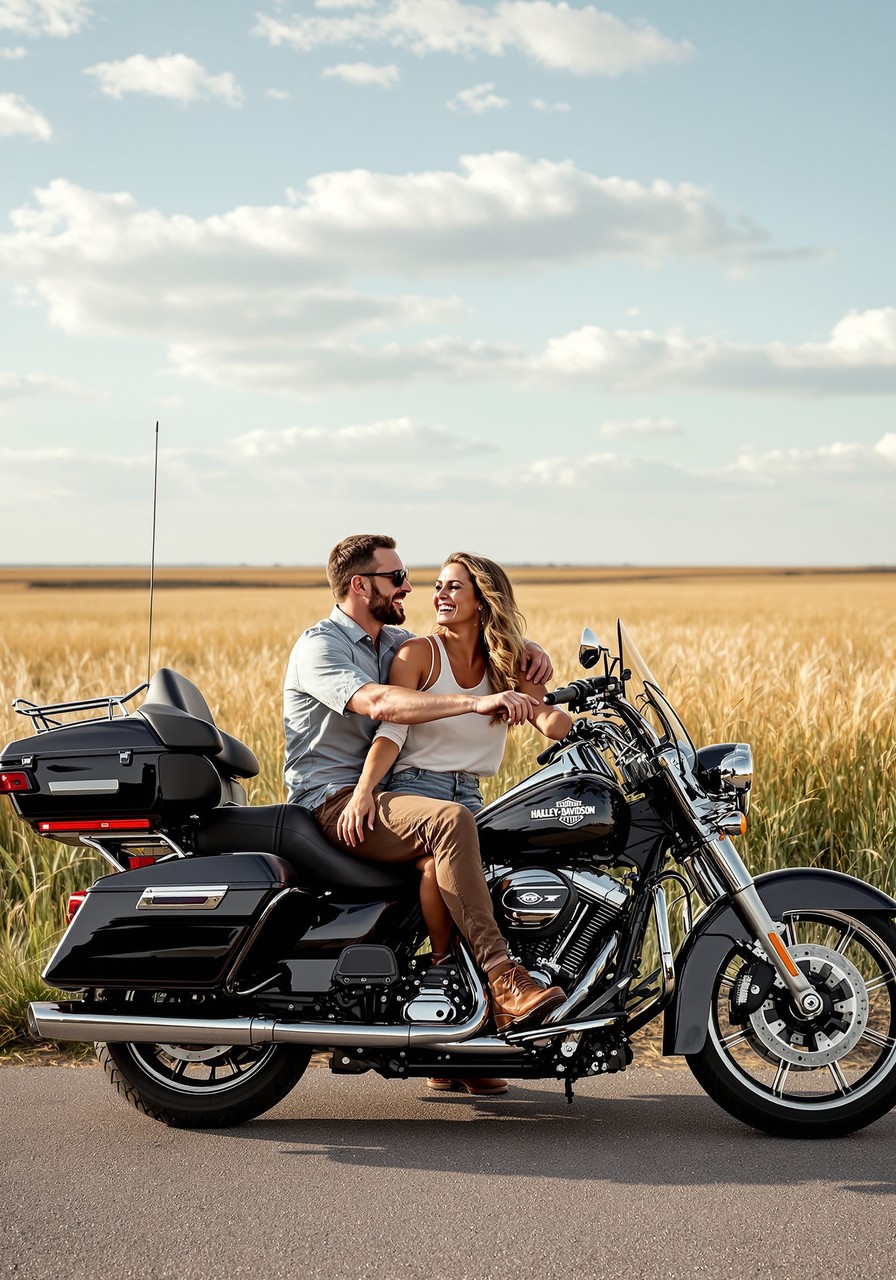
Caption this: that first clear, windless Oklahoma morning in January. What are you thinking as you pull the cover off? #RideNationOK #GreenCountry #TulsaRiders
Giveaway & Countdown
The countdown is on, Ride Nation. Big things coming for one lucky rider in Green Country. #RideNationOK #20kGiveaway #OklahomaRiders
Local OK & Rides
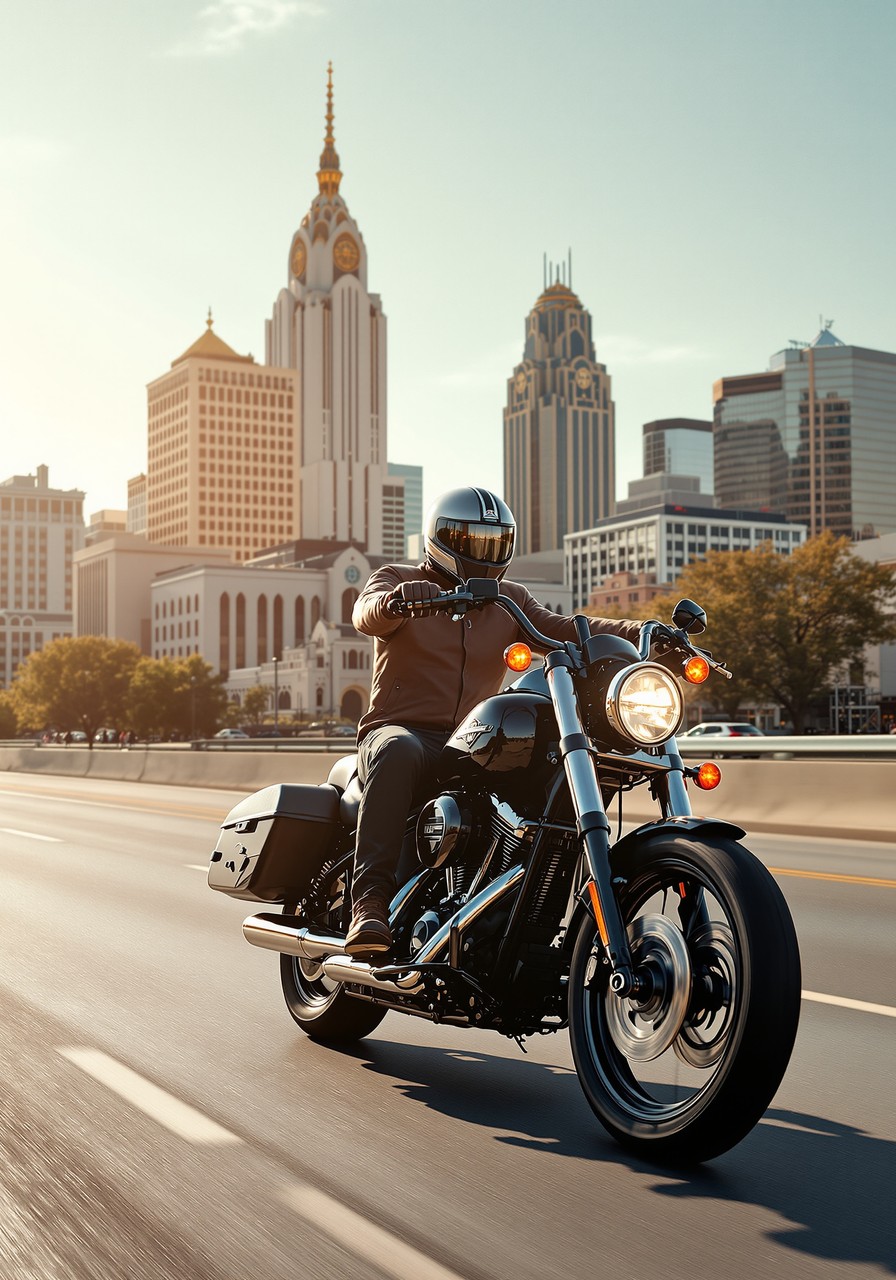
The Tallgrass Prairie Preserve near Pawhuska is wide open sky and long clean curves. Just watch the wind coming off that open ground. #RideNationOK #OsageHills #OklahomaRiders
Gear & New Iron
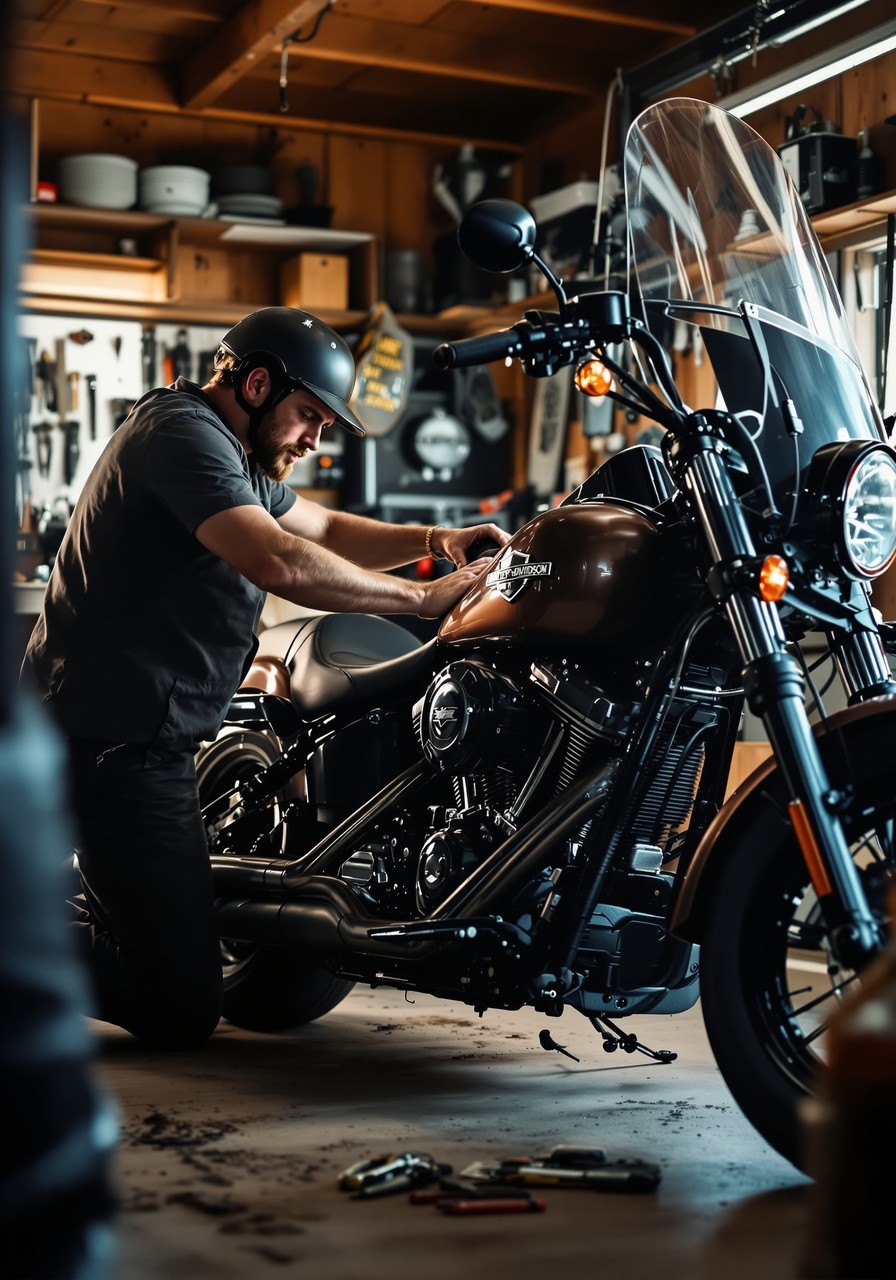
A jacket without armor is just a shirt. Look for CE-rated pads at the shoulders, elbows, and back before you buy. That rating is the whole point. #RideNationOK #GearUp #ATGATT
Safety & OK Law
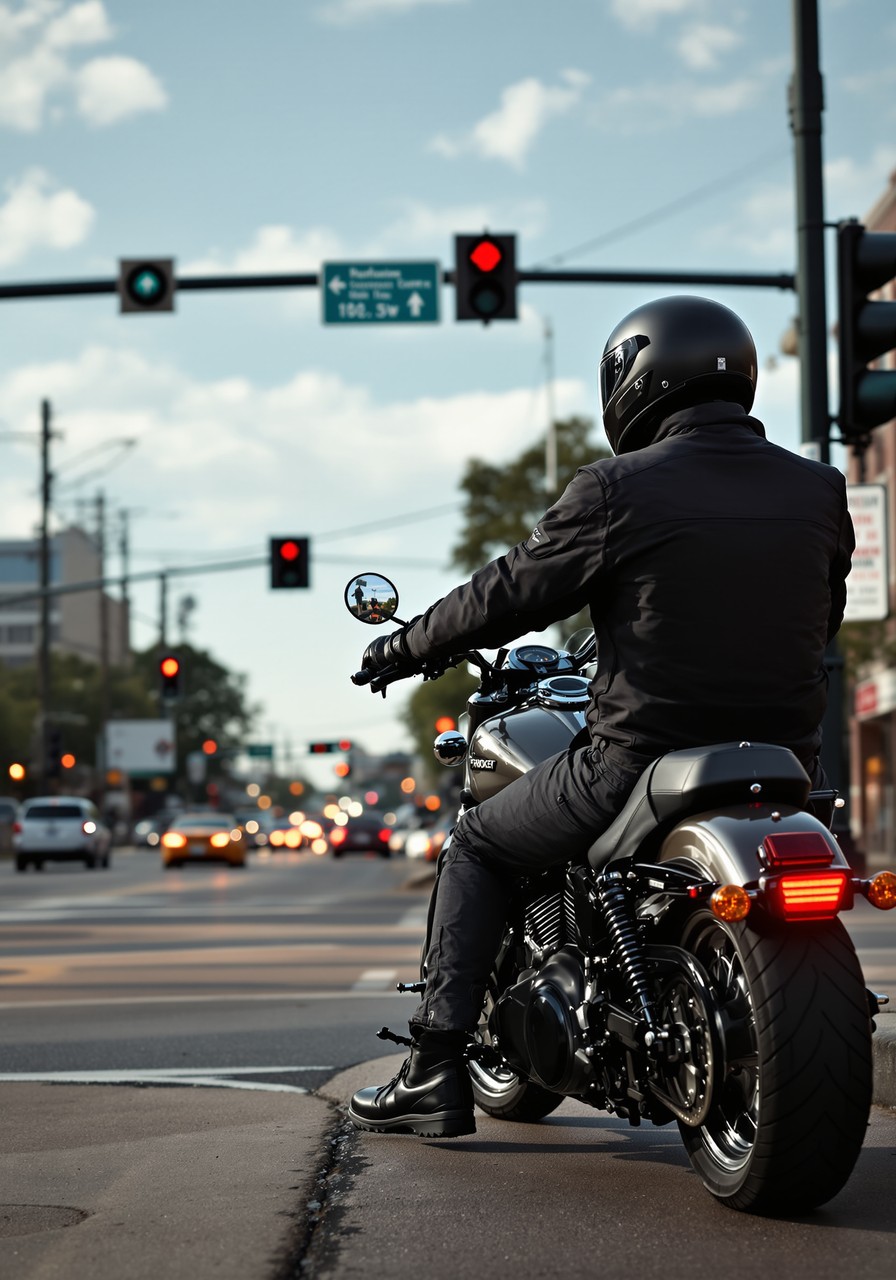
Oklahoma minimum liability is just 25/50/25, and that runs dry fast after a serious motorcycle crash. Wondering who else you can recover from? Call Edwards and Patterson at (918) 387-8920. #RideNationOK #KnowYourRights #OklahomaRiders
Engagement
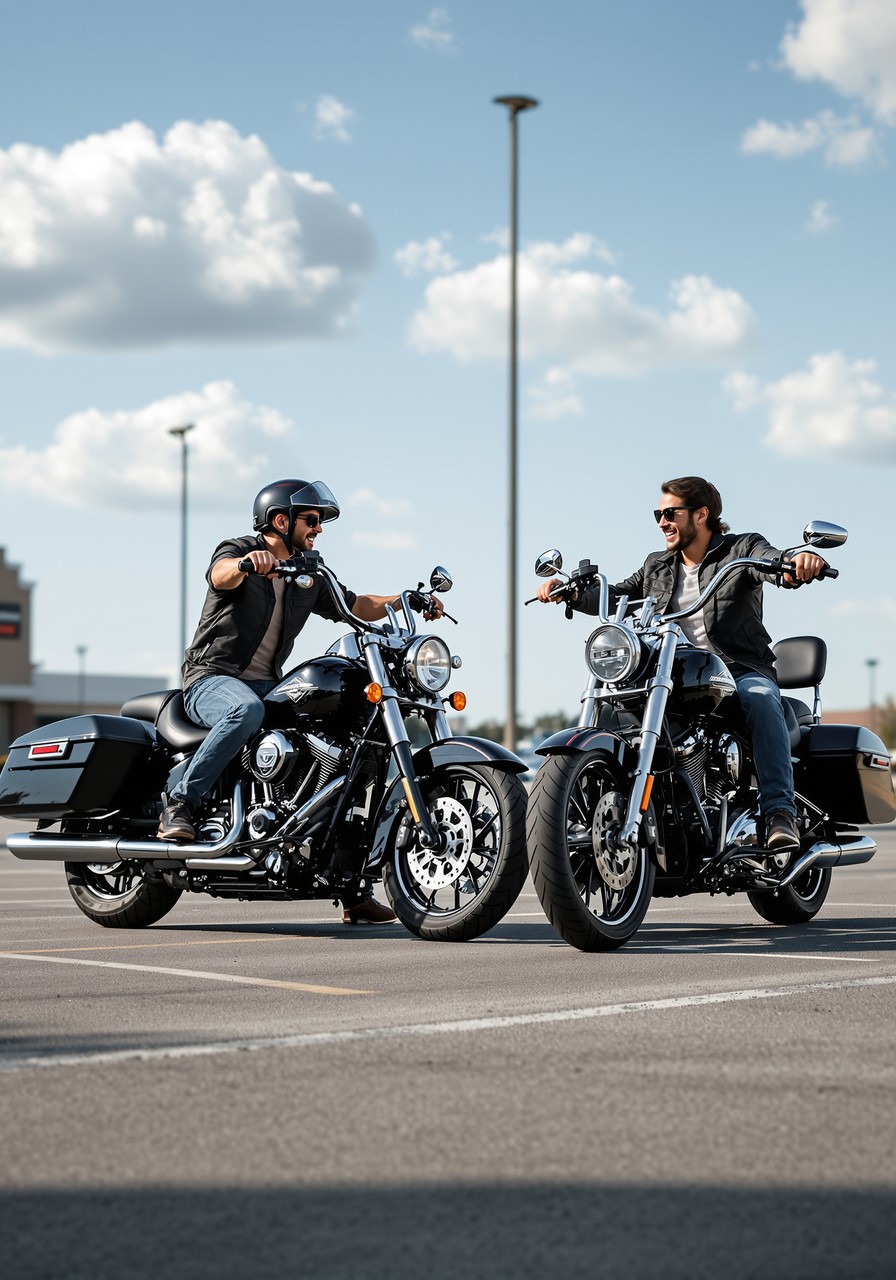
Poll: do you ride down to 40 degrees, or is that garage-and-hot-coffee weather? Drop your number. #RideNationOK #OklahomaRiders #TwoWheels
Giveaway & Countdown
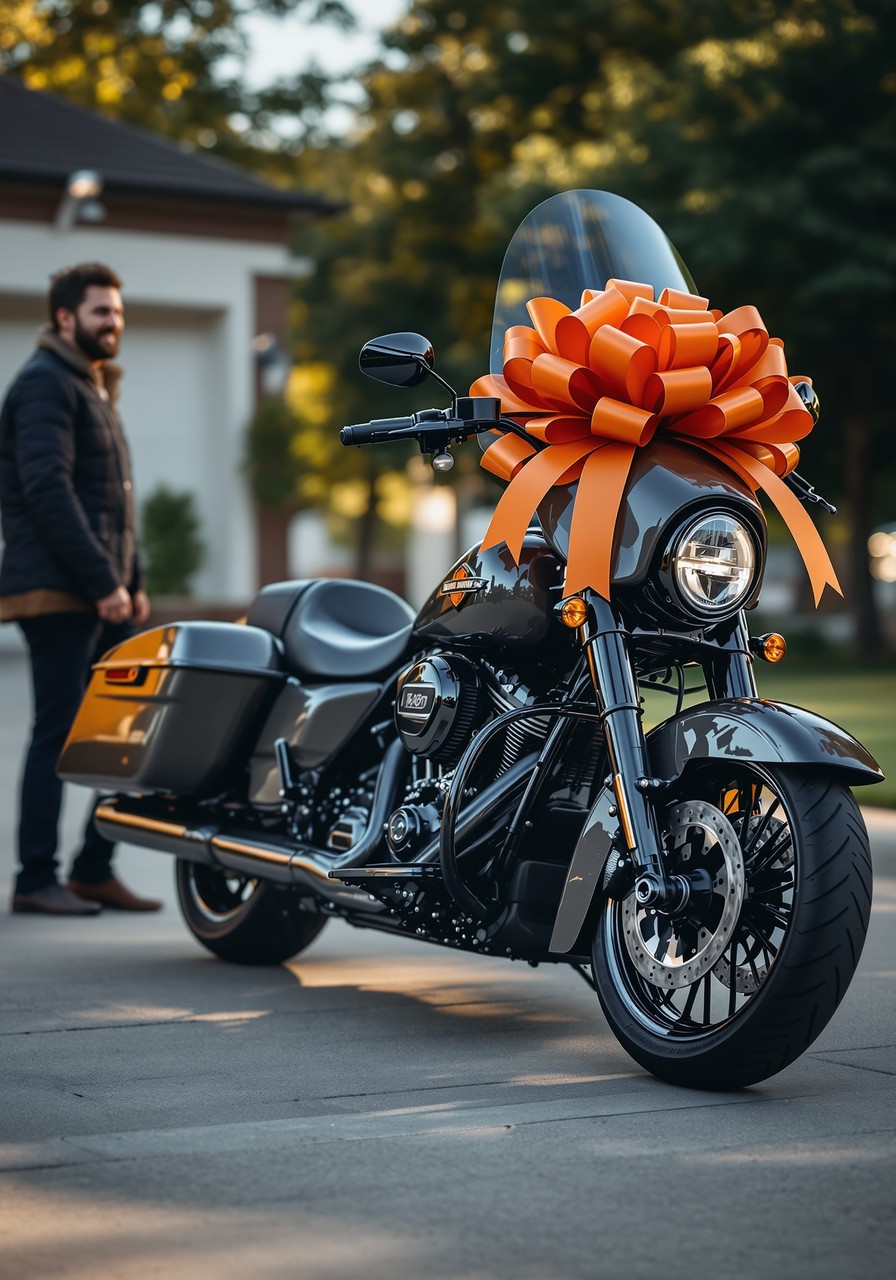
Free to enter. Free to ask. If you have been down on your bike, a conversation with us gets you in the $20,000 BikersWin drawing. Dial (918) 387-8920. #RideNationOK #BikersWin #MotorcycleGiveaway
Local OK & Rides
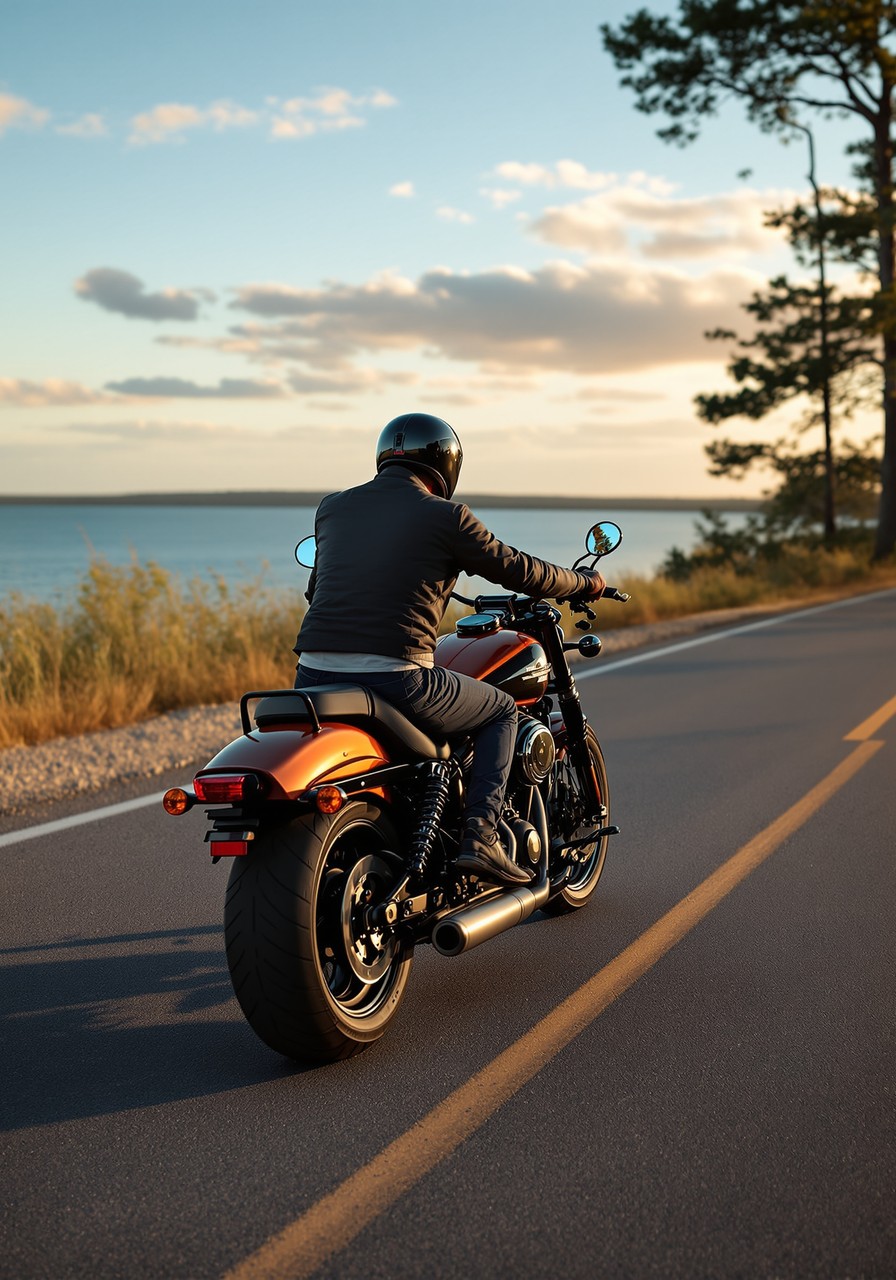
Grand Lake O' the Cherokees is the go-to summer loop for a reason. Pack a full day and take the shoreline slow. #RideNationOK #GrandLake #GreenCountry
Gear & New Iron
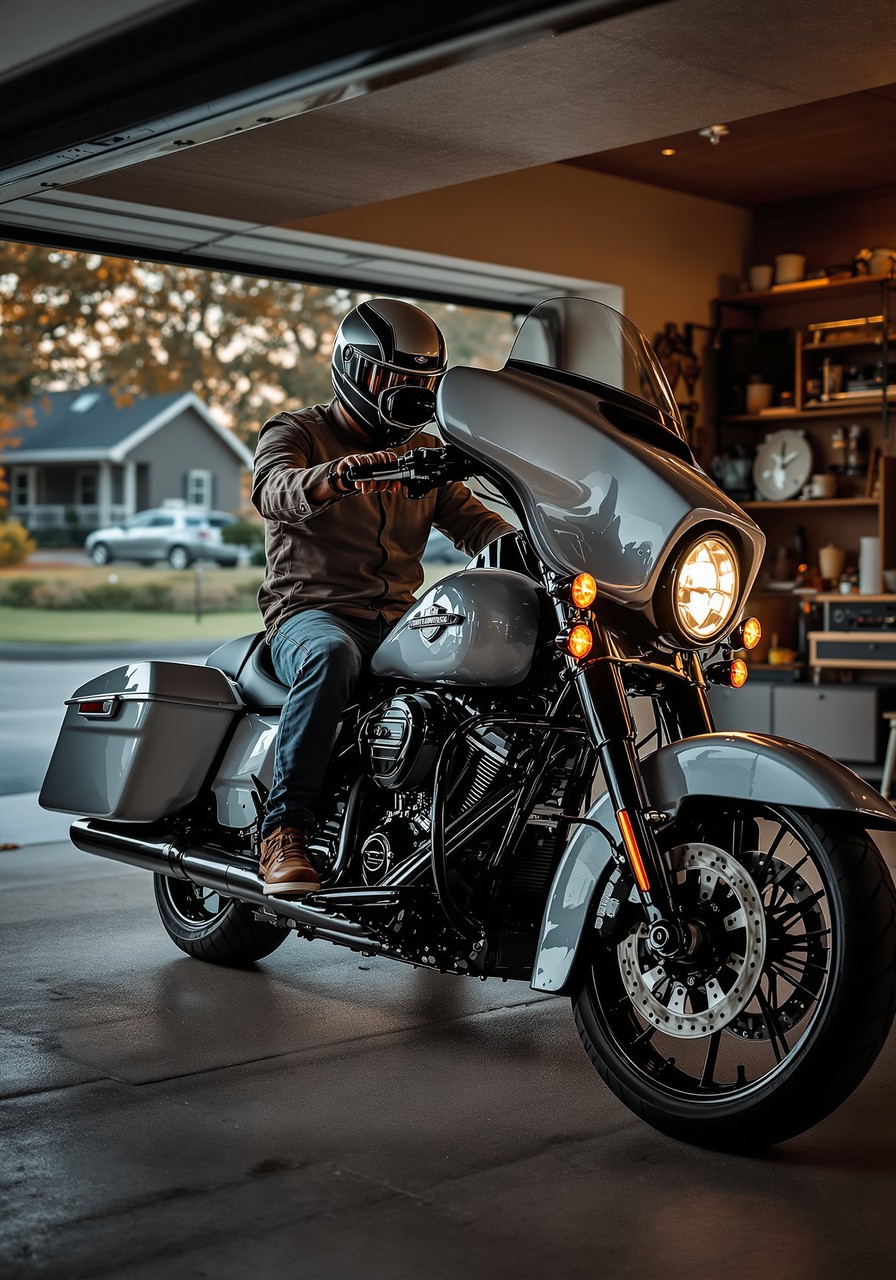
Back protectors are the piece riders skip and wish they had not. A CE Level 2 back insert costs less than one ER copay. Slide it in and forget about it. #RideNationOK #ATGATT #RiderTips
Safety & OK Law
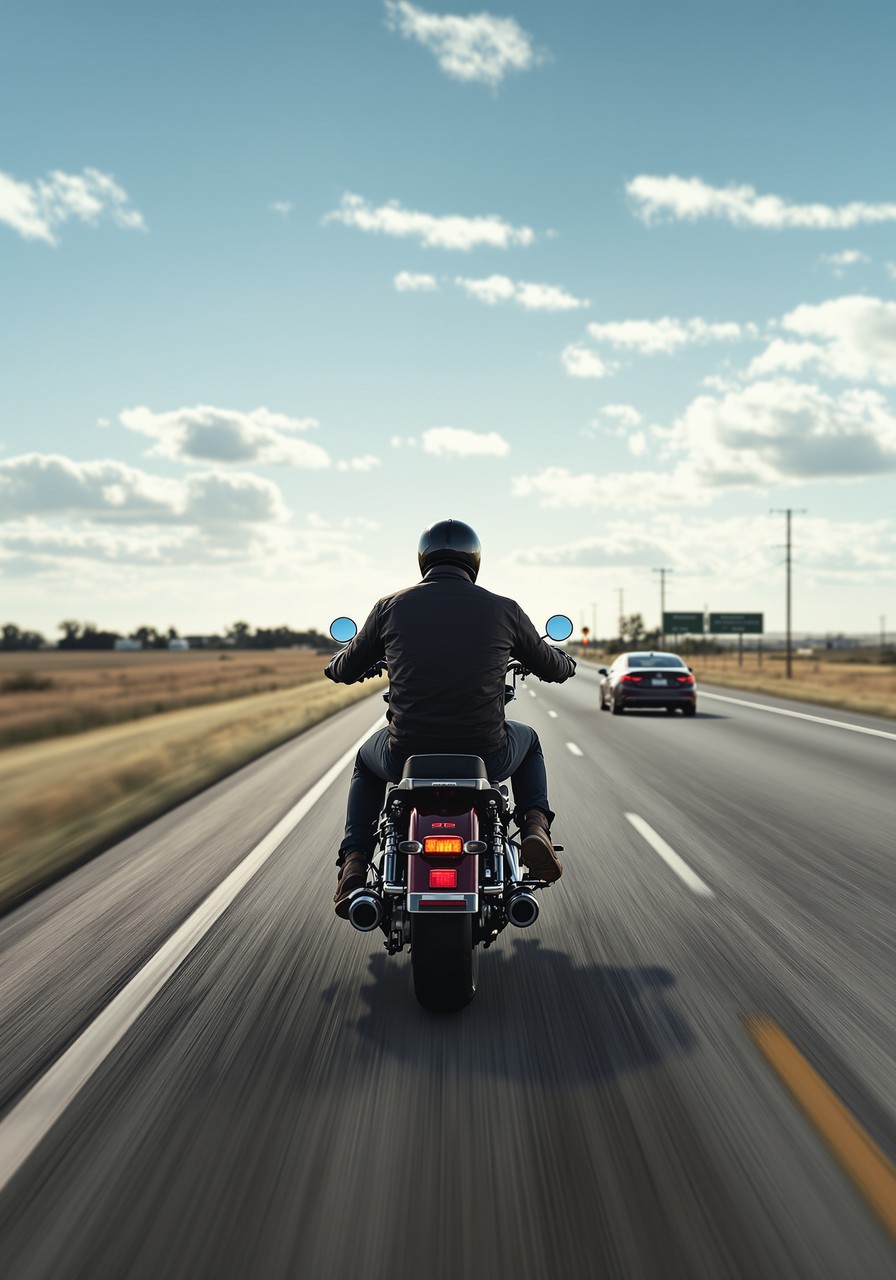
You have two years from a motorcycle crash to file a personal injury claim in Oklahoma. Do not let that clock run out on you. Questions? Call (918) 387-8920. #RideNationOK #RiderRights #TulsaRiders
Engagement
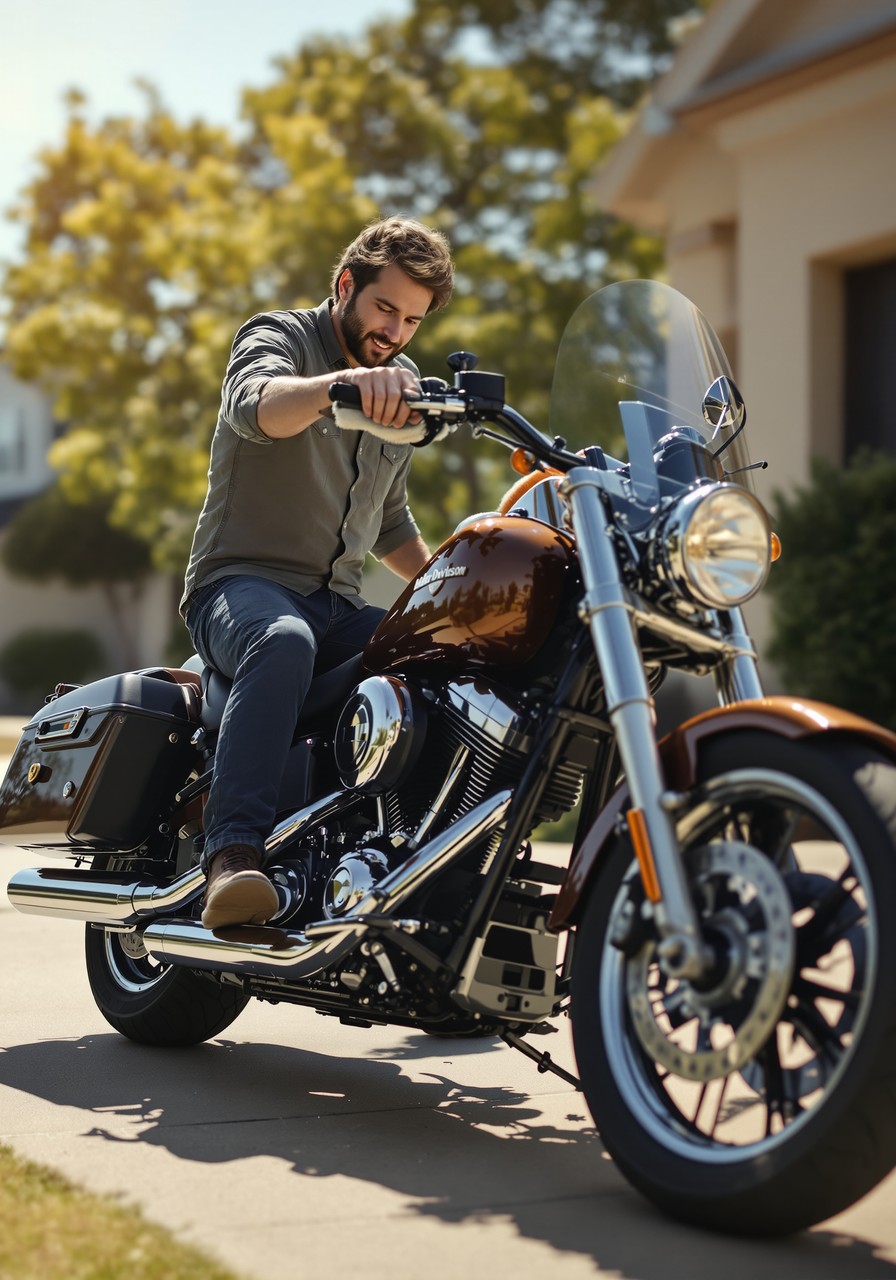
Grand Lake run or Talimena Byway when spring finally shows up. Which one are you planning first? #RideNationOK #GrandLake #TwoWheels
Giveaway & Countdown
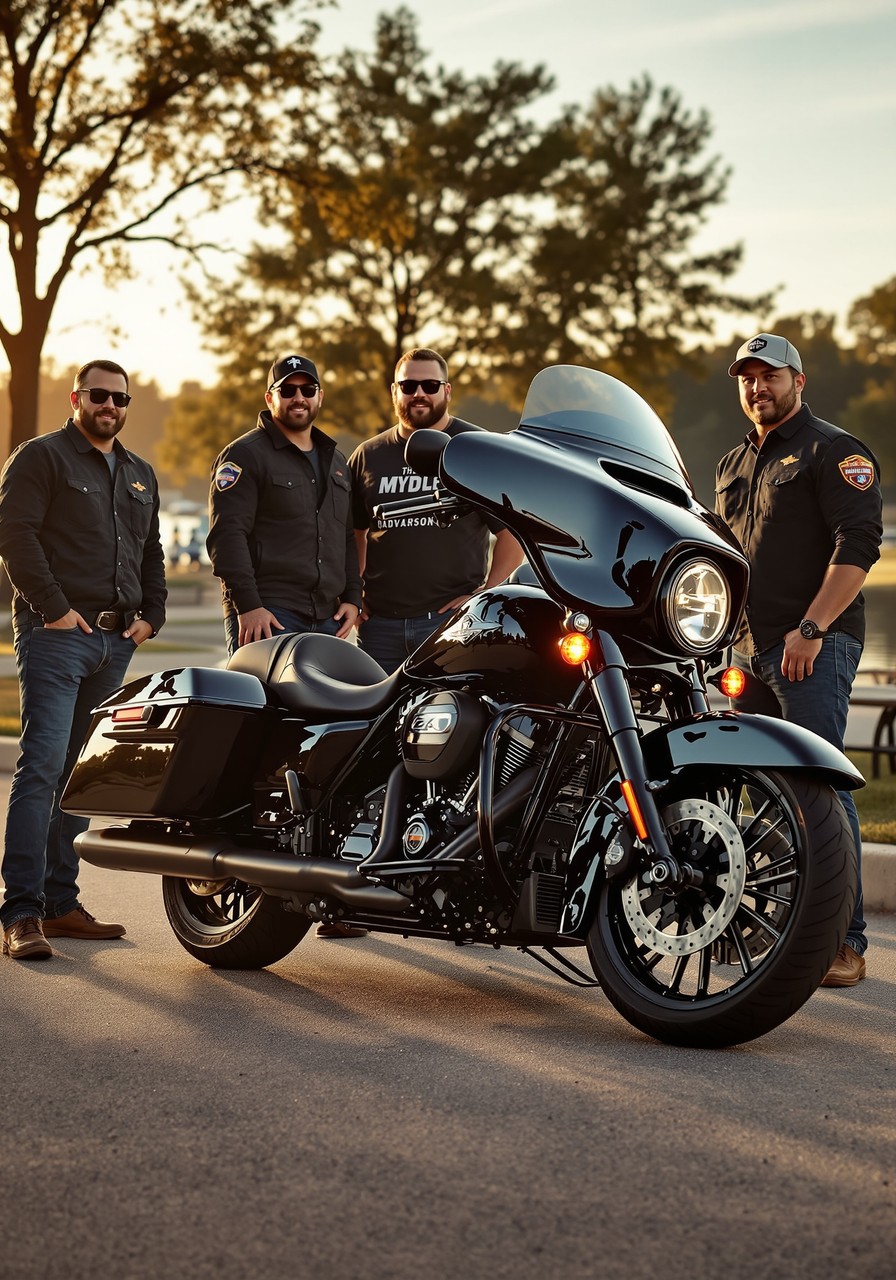
Tag a riding buddy who needs to know about this. Twenty thousand reasons to loop them in today. #RideNationOK #TulsaRiders #20kGiveaway
Local OK & Rides
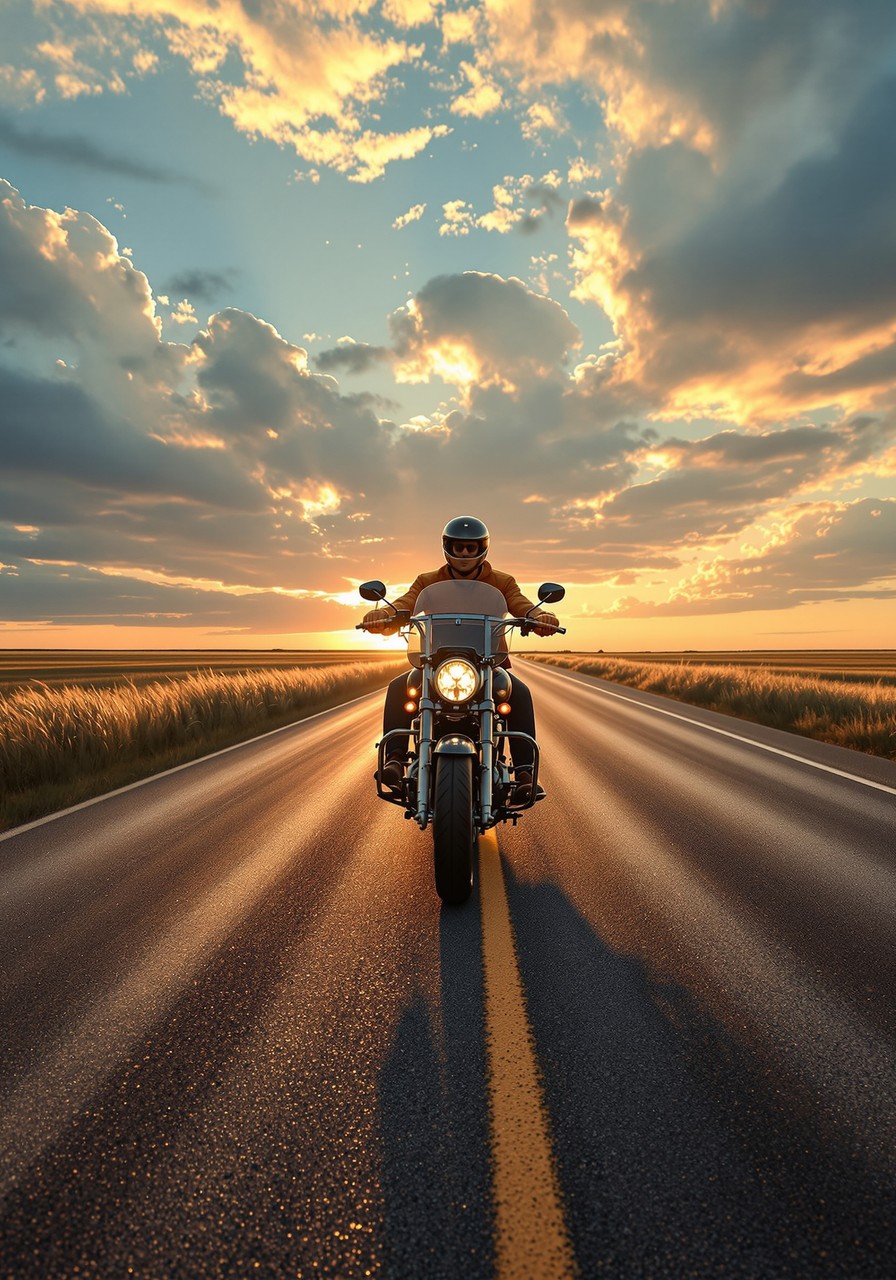
Keystone Lake is close enough for an after-work run and pretty enough to make you forget the work day. Easy win on a warm evening. #RideNationOK #TulsaRiders #GreenCountry
Gear & New Iron
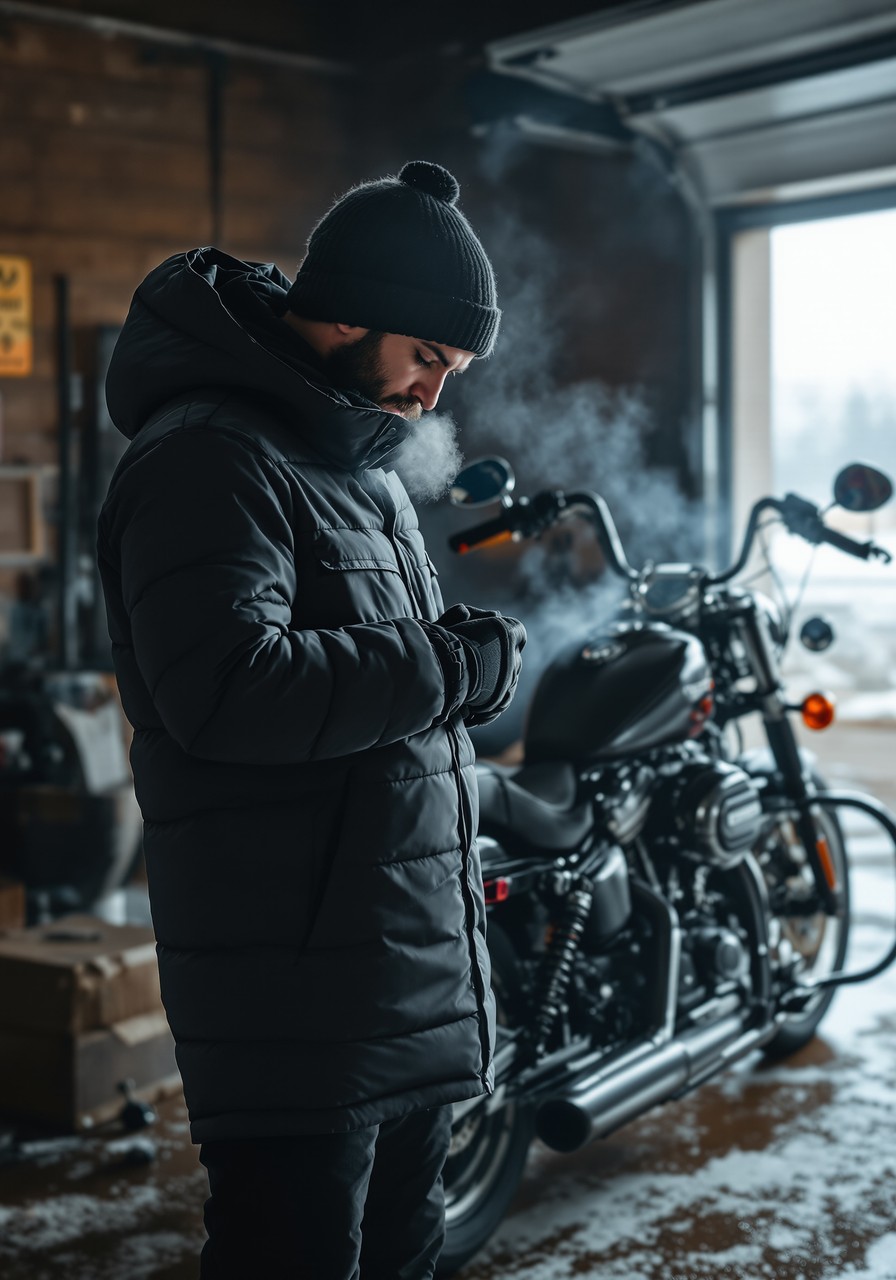
Oklahoma wind is no joke on the turnpike. A snug jacket and a proper chin strap keep the buffeting from wearing you down over a long ride. Gear for the gusts. #RideNationOK #ColdWeatherRiding #TulsaRiders
Safety & OK Law
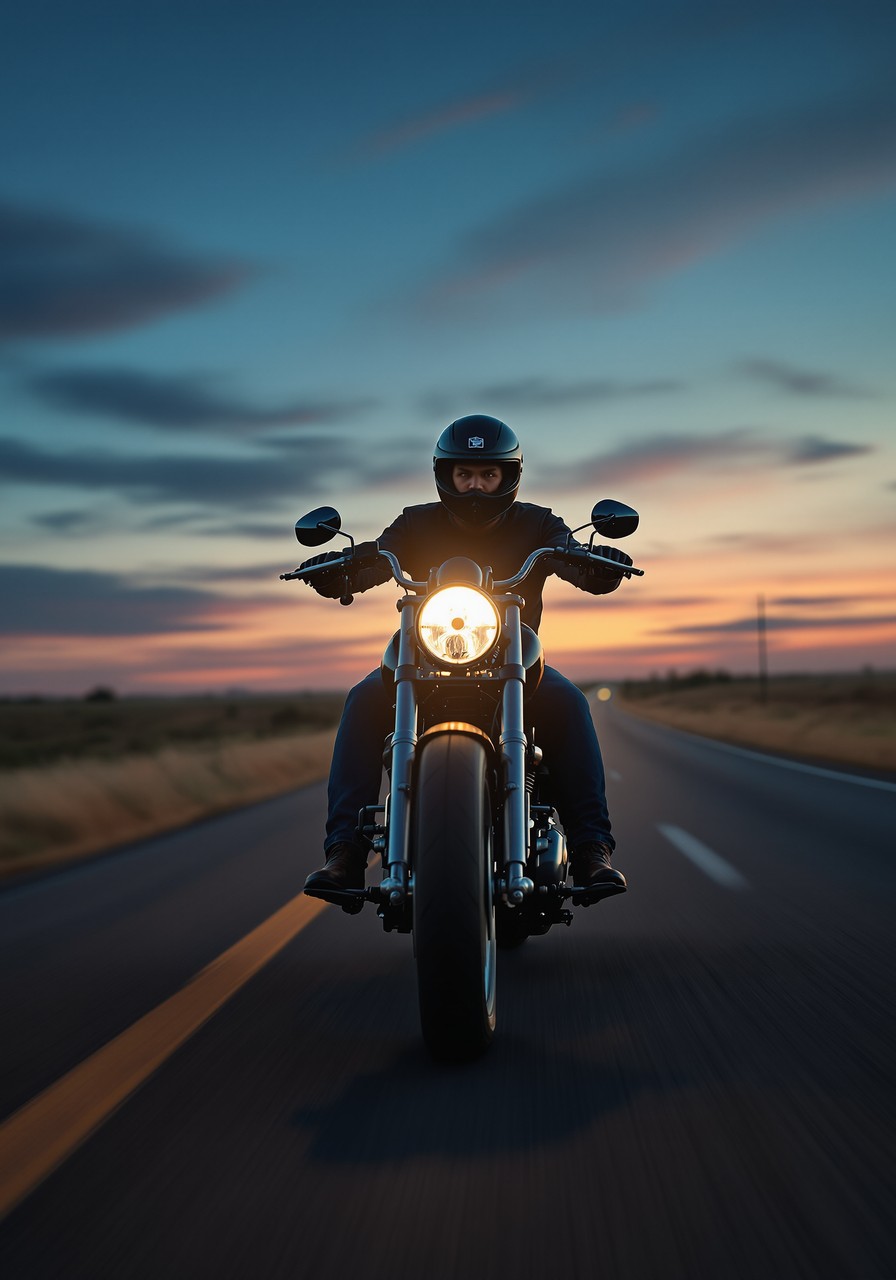
Left-turning drivers are one of the biggest threats we face, and they love to say they never saw the motorcycle. If one turned into you, call Edwards and Patterson at (918) 387-8920. #RideNationOK #MotorcycleSafety #GreenCountry
Engagement
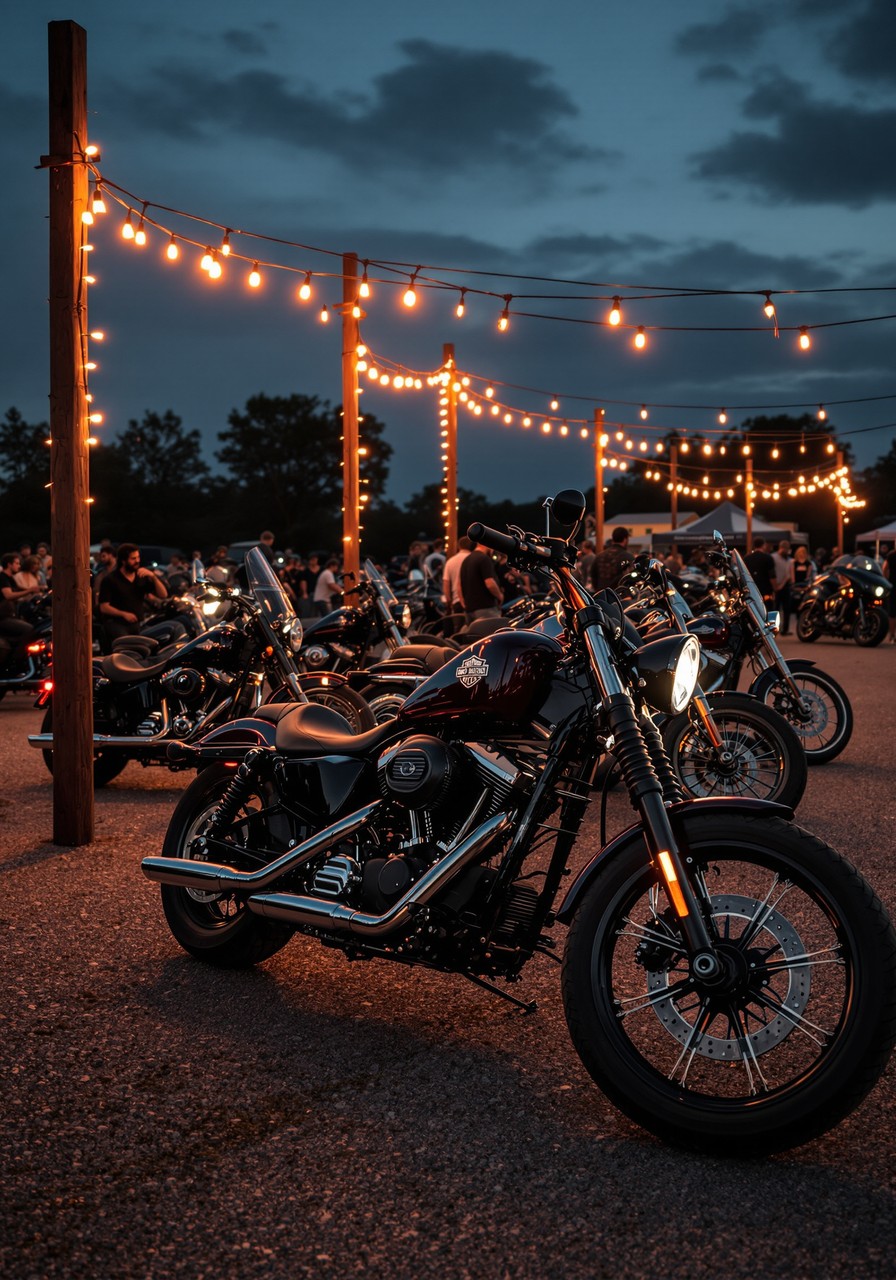
Name the road in Green Country you could ride blindfolded. We know you have one. #RideNationOK #GreenCountry #TulsaRiders
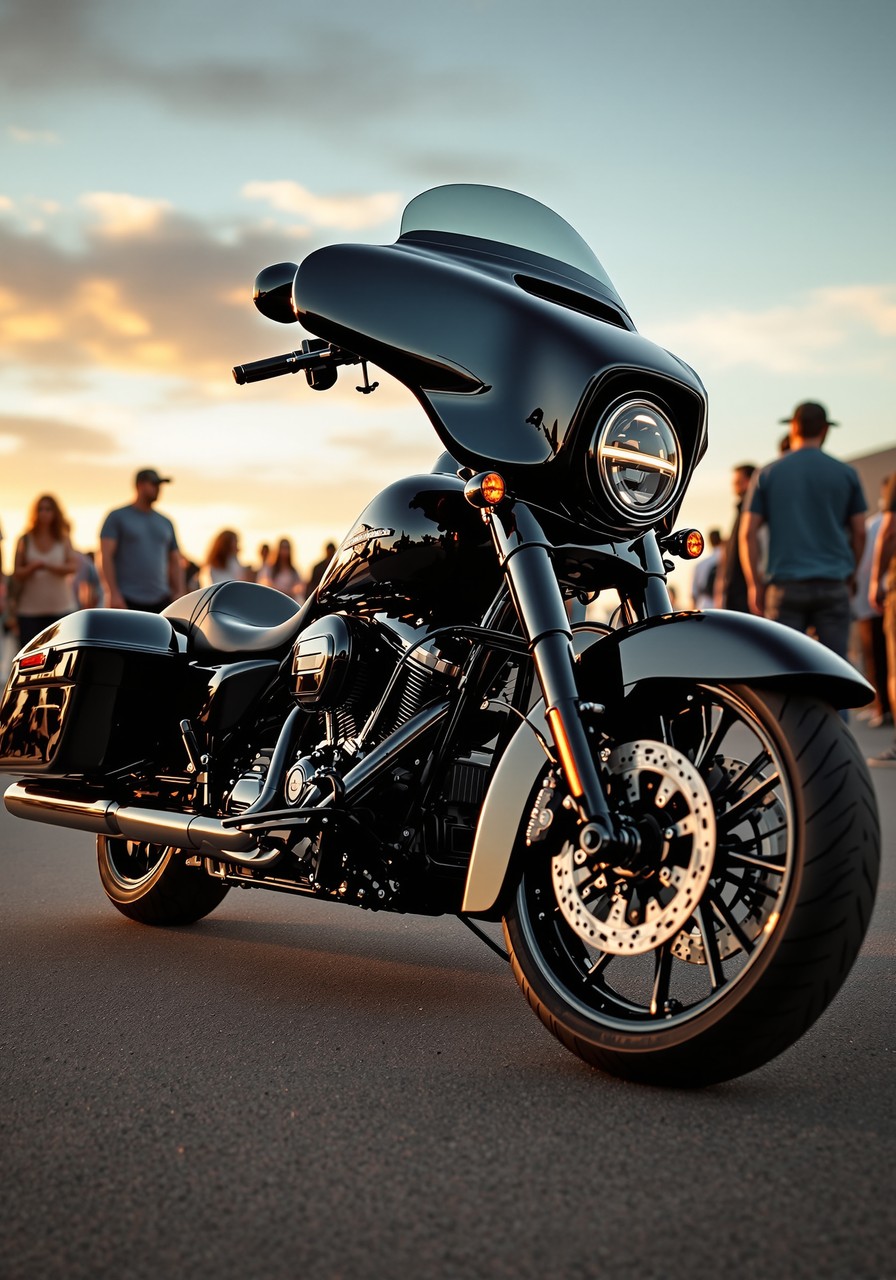
Giveaway & Countdown
Every entry is free, every rider is welcome. Talk to Edwards & Patterson about your crash and you are in the running. Questions? (918) 387-8920. #RideNationOK #BikersWin #OklahomaRiders
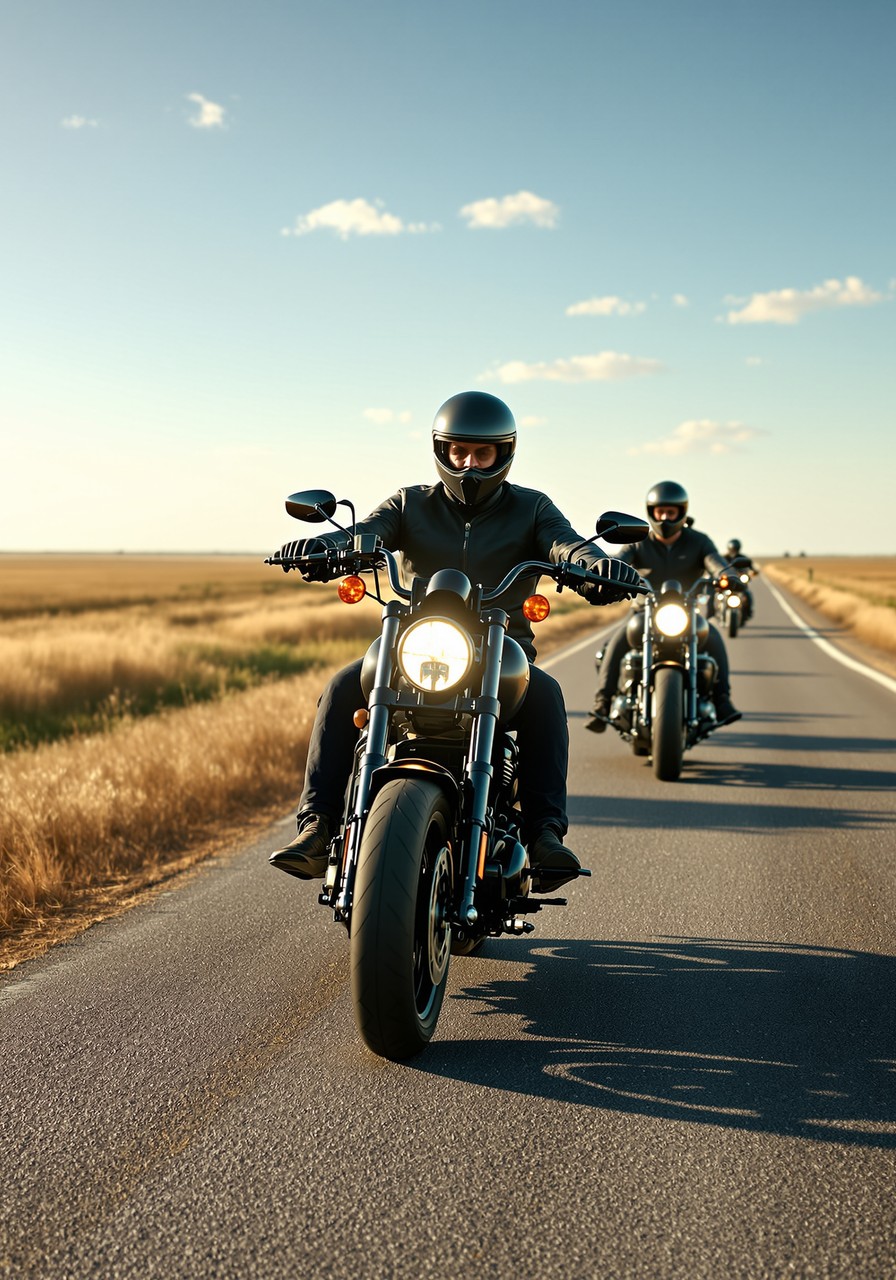
Local OK & Rides
The Talimena Scenic Byway on SH-1 down in far southeast Oklahoma is a bucket-list ridgeline. Start planning that spring trip now. #RideNationOK #TalimenaByway #MotorcycleRoads
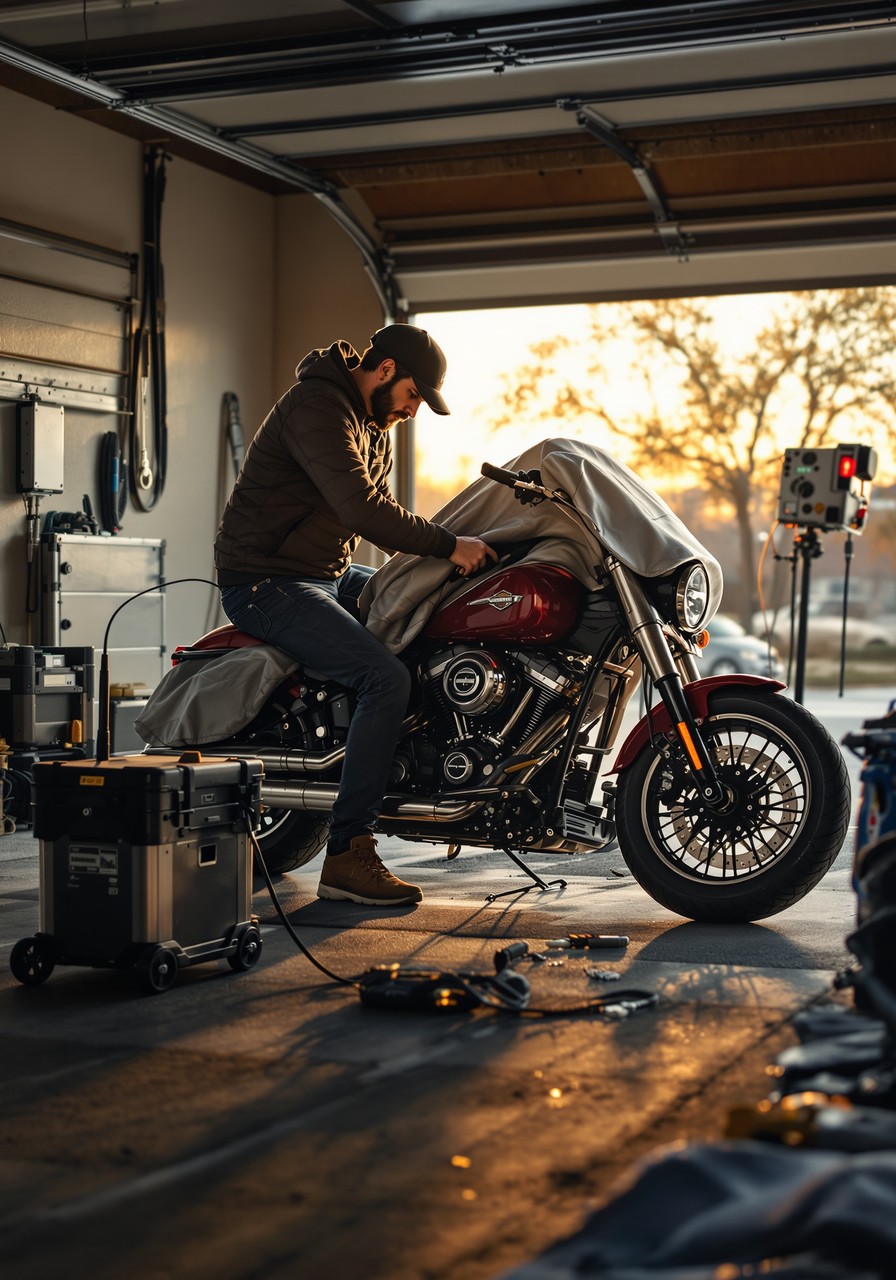
Gear & New Iron
Cold hands are slow hands. When you cannot feel the levers, you cannot brake clean. Winter gloves are a safety item, not a comfort item. #RideNationOK #ColdWeatherRiding #GearUp
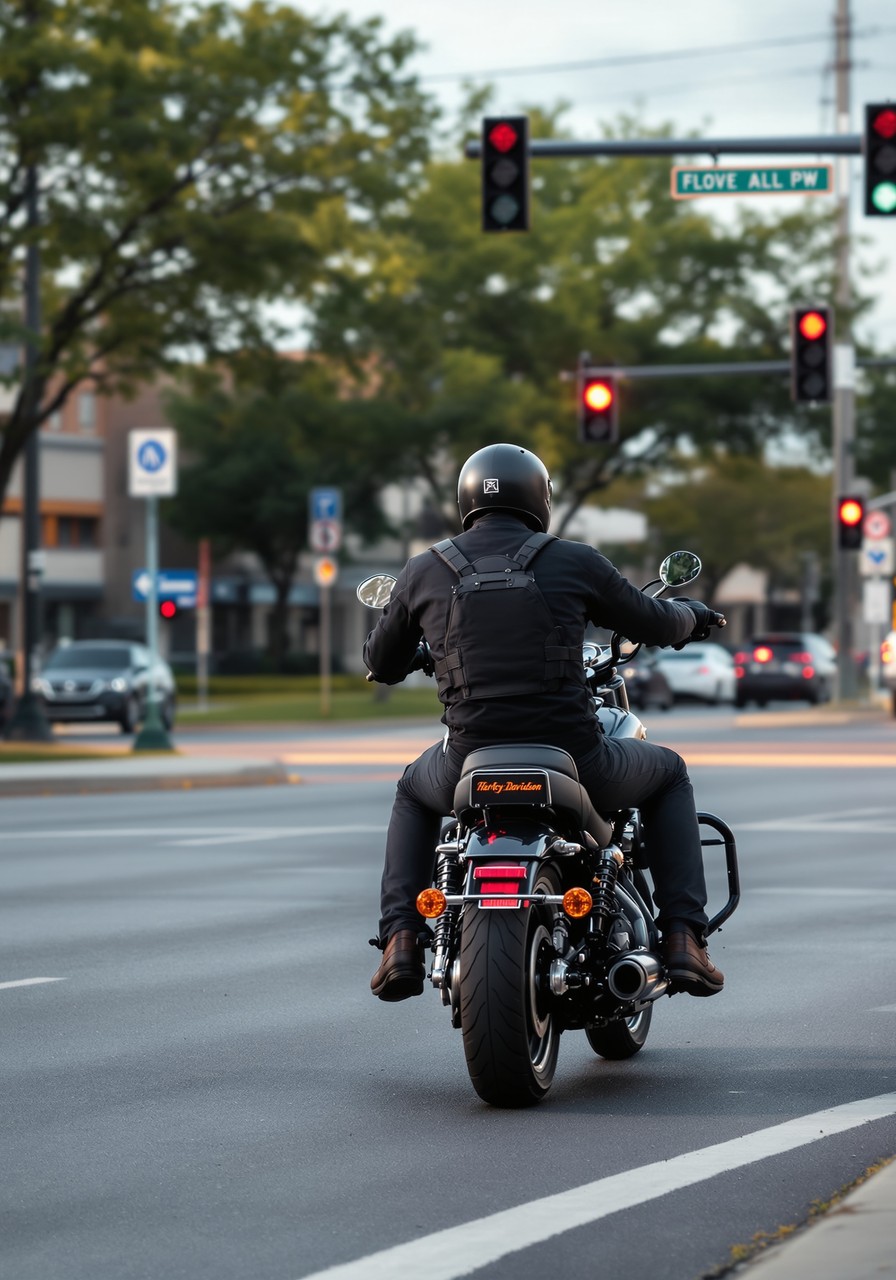
Safety & OK Law
Oklahoma uses modified comparative negligence with a 51 percent bar, so if you are found more than half at fault your claim is gone. Insurers know this and push blame your way. Call (918) 387-8920. #RideNationOK #RiderRights #KnowYourRights
Engagement
Two words for your first ride of the year. Just two. Drop them below. #RideNationOK #OklahomaRiders #TwoWheels
Giveaway & Countdown
One community. Twenty thousand dollars. Zero cost to jump in. Let us go, Tulsa. #RideNationOK #MotorcycleGiveaway #GreenCountry
Local OK & Rides
Nothing in Green Country beats the Talimena Byway when the fall color hits the ridgetops. Block the weekend before it is gone. #RideNationOK #TalimenaByway #OklahomaRiders
Gear & New Iron
Layer smart for Oklahoma temp swings. A morning that starts at 40 can hit 70 by noon. Base layer, mid layer, windproof shell, and you can shed as the day warms. #RideNationOK #ColdWeatherRiding #RiderTips
Safety & OK Law
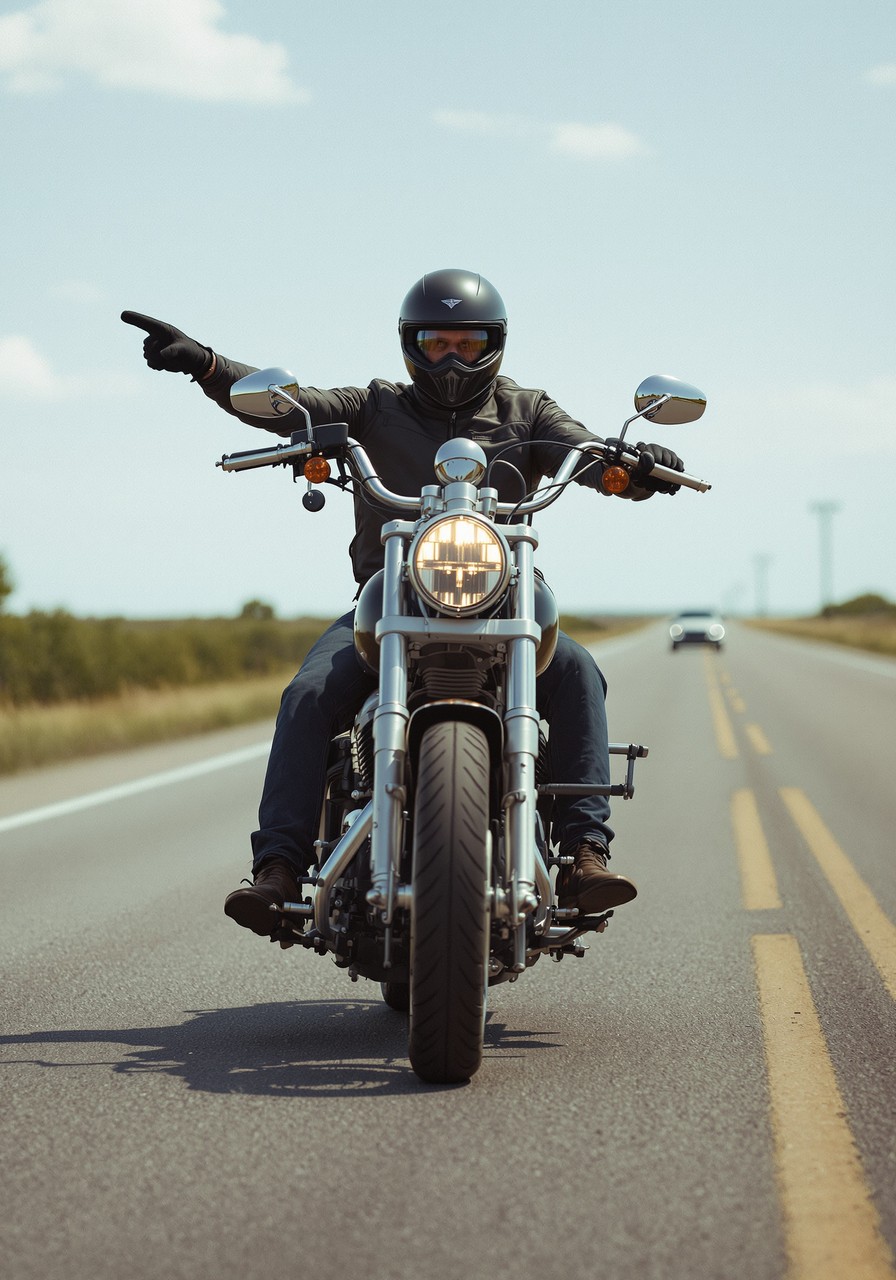
After a wreck, the other driver's insurer works for them, not for you. Talk to a rider-friendly attorney before you give a recorded statement. Call Edwards and Patterson at (918) 387-8920. #RideNationOK #RiderRights #OklahomaRiders
Engagement
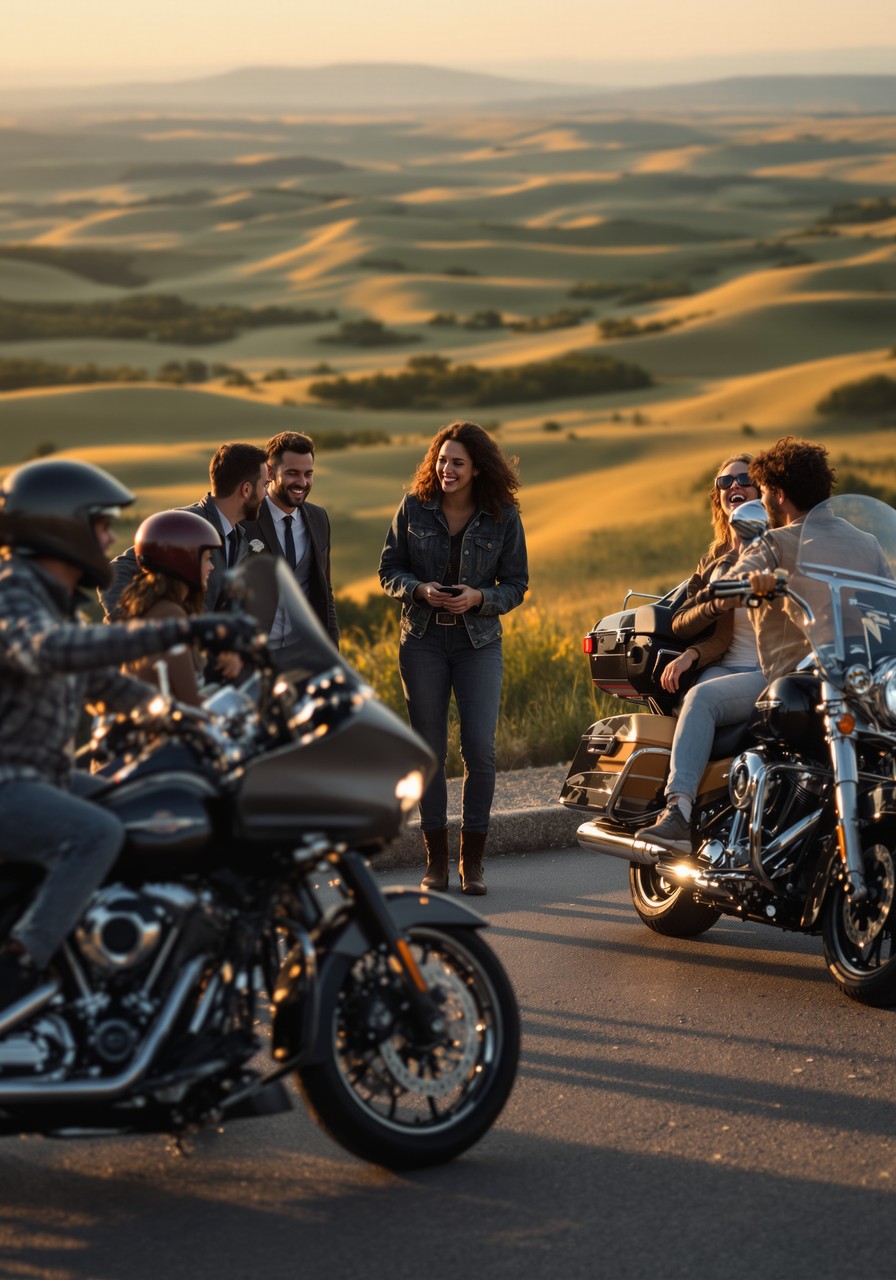
This or that: heated grips or an extra layer and toughing it out. Where do you land? #RideNationOK #TulsaRiders #TwoWheels
Giveaway & Countdown
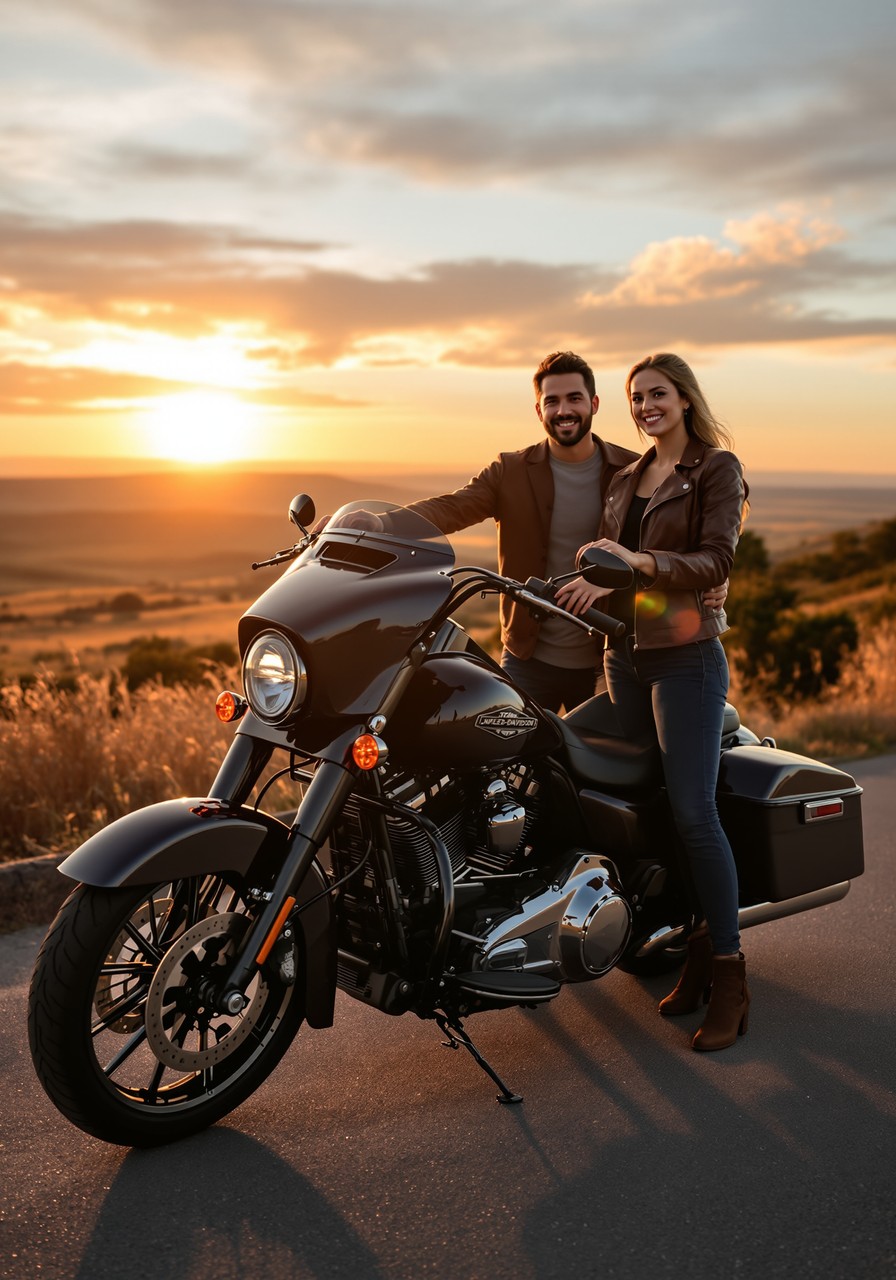
Clock is ticking on the BikersWin giveaway. Have you gotten your free case review yet? Reach us at (918) 387-8920. #RideNationOK #20kGiveaway #TulsaRiders
Local OK & Rides
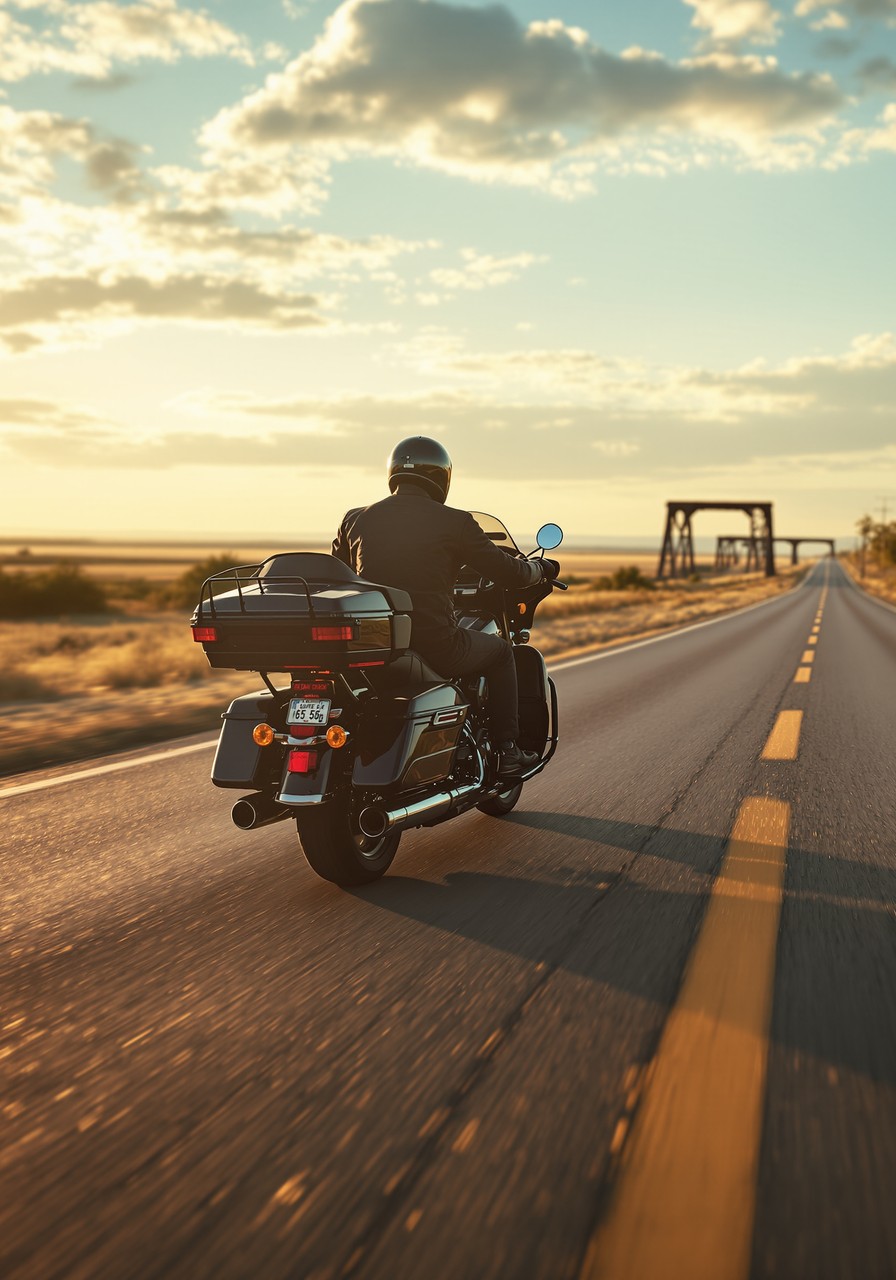
The river trails along the Arkansas are a nice slow spin when you just want two wheels and no highway. Sometimes short and close is the whole point. #RideNationOK #TulsaRiders
Gear & New Iron
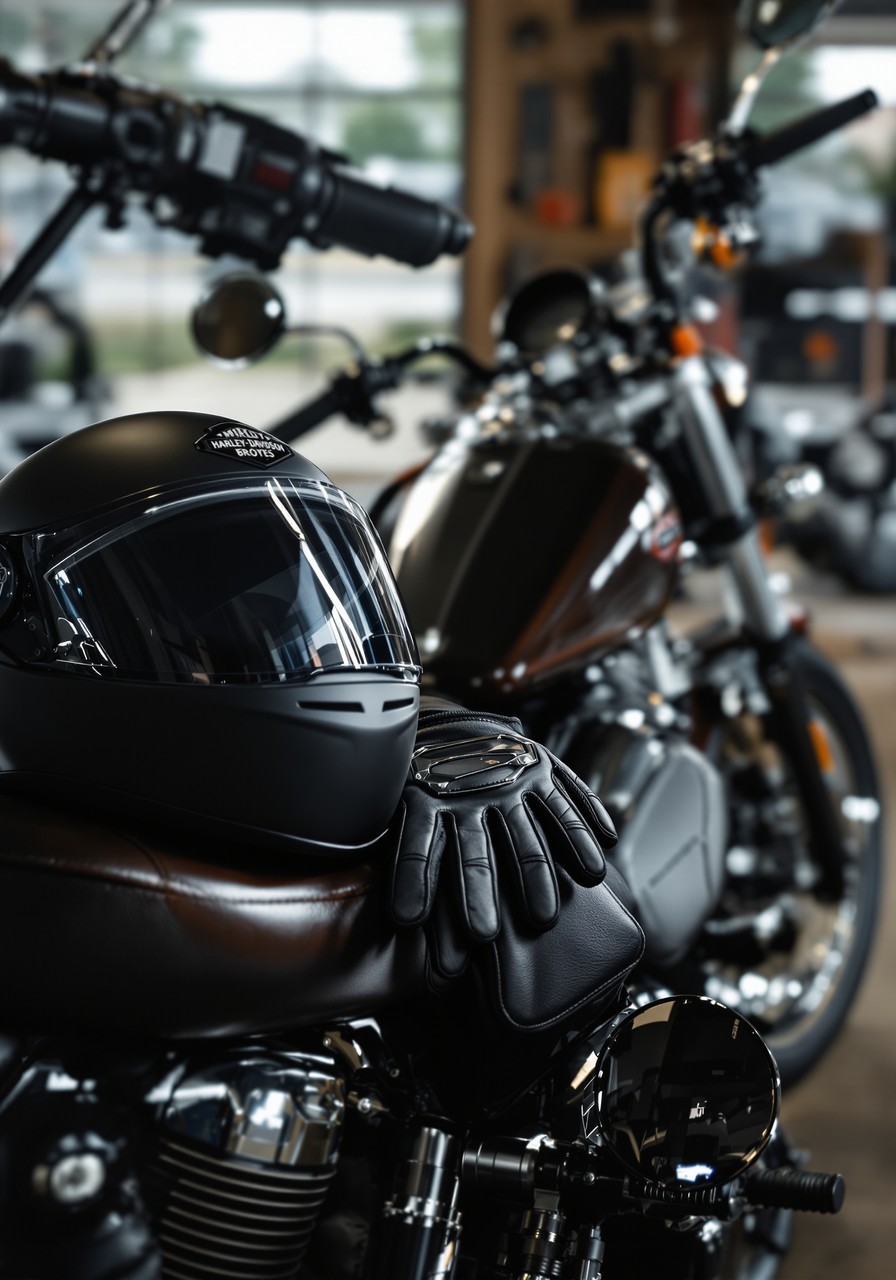
A good base layer wicks sweat and traps heat without the bulk. It is the quiet piece that makes every other layer work better in the cold. #RideNationOK #ColdWeatherRiding #GearUp
Safety & OK Law
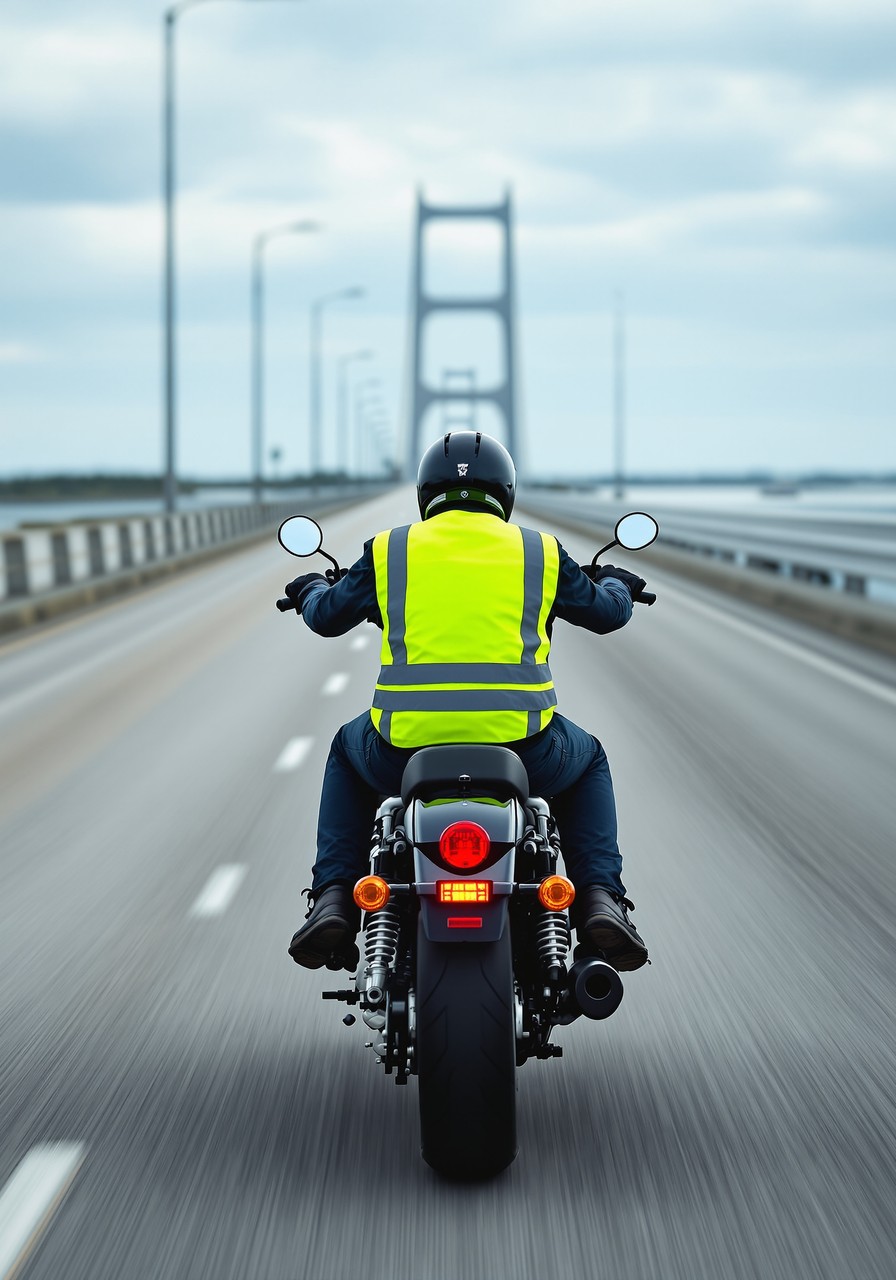
Green Country crosswinds and sudden storms can shove you across a lane in a heartbeat. Ride your own pace, leave room, and if a distracted driver still put you down, call (918) 387-8920. #RideNationOK #MotorcycleSafety #GreenCountry
Engagement
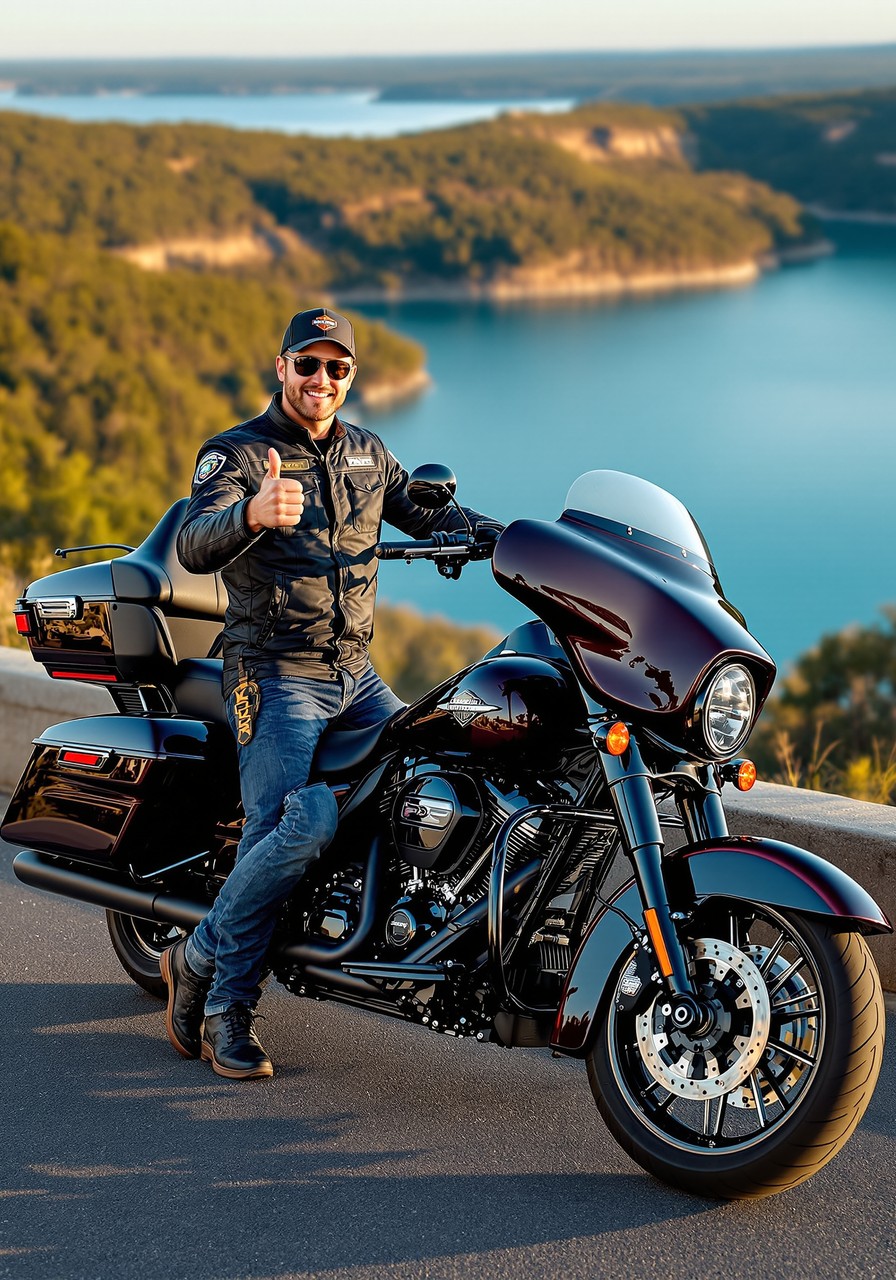
Tag the friend who always says one more mile when the sun is already gone. #RideNationOK #RideOrDie #GreenCountry
Giveaway & Countdown
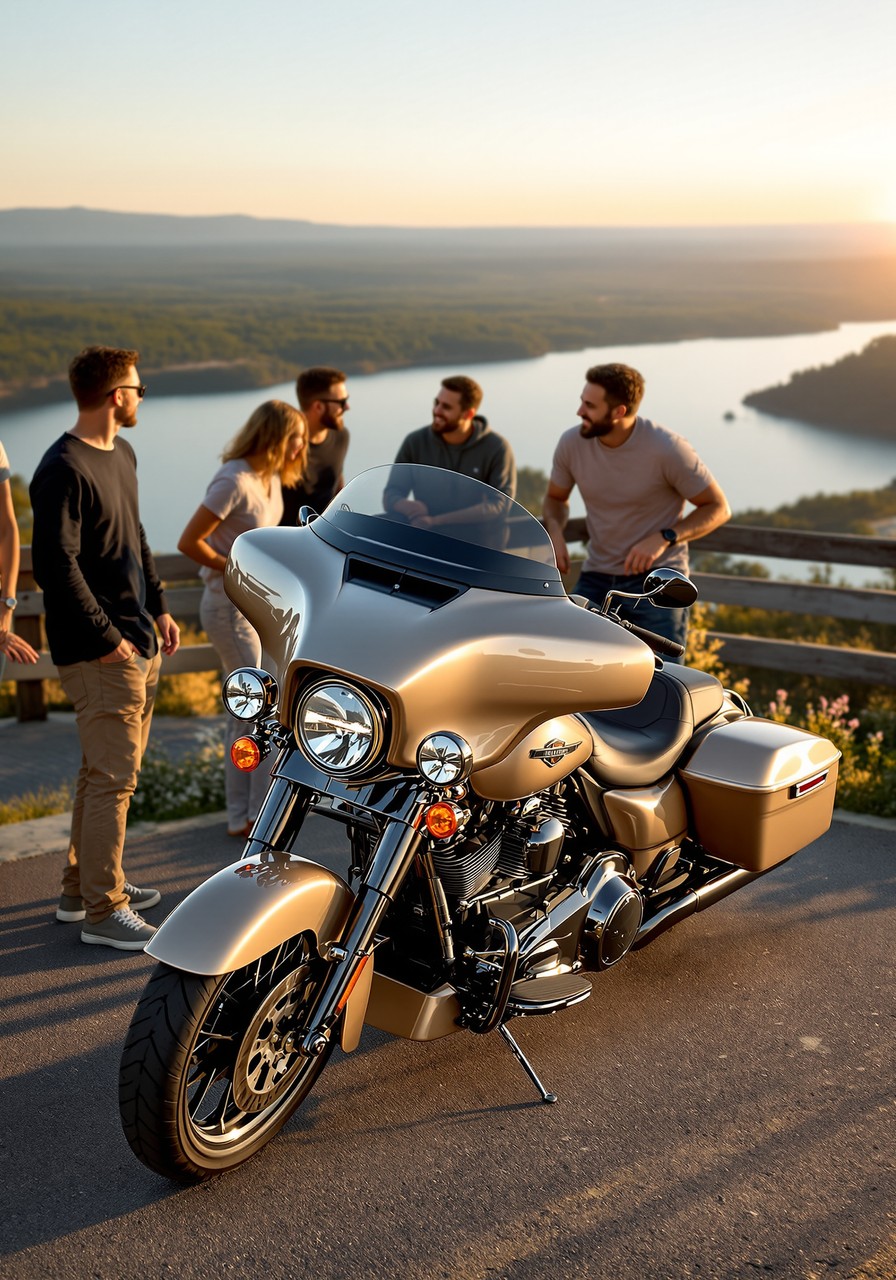
Spread the word, Ride Nation. The more riders who hear about the $20,000 giveaway, the bigger this thing gets. #RideNationOK #BikersWin #OklahomaRiders
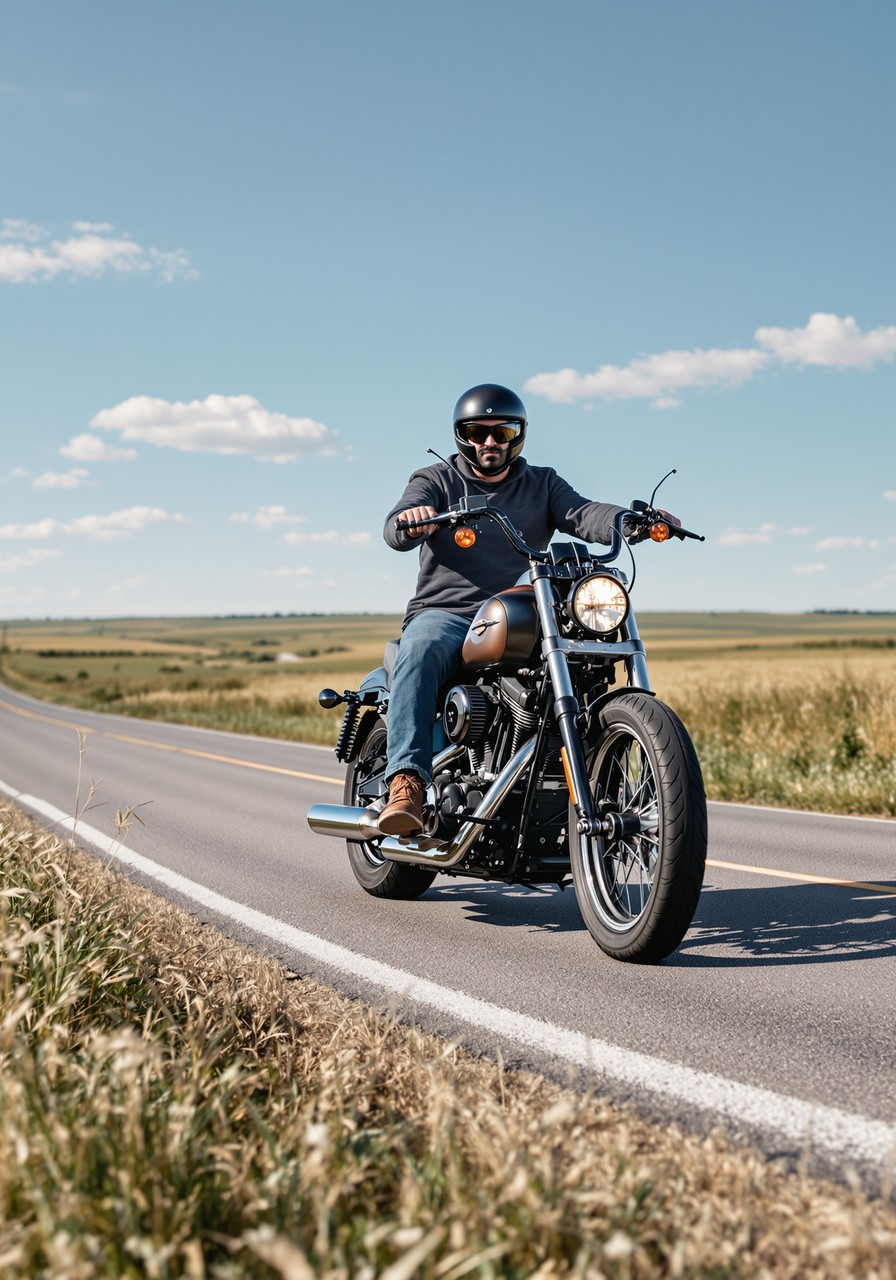
Local OK & Rides
Reminder for the die-hards: the Arkansas River bridges ice over before the streets do. Give them room on a cold morning. #RideNationOK #TulsaRiders
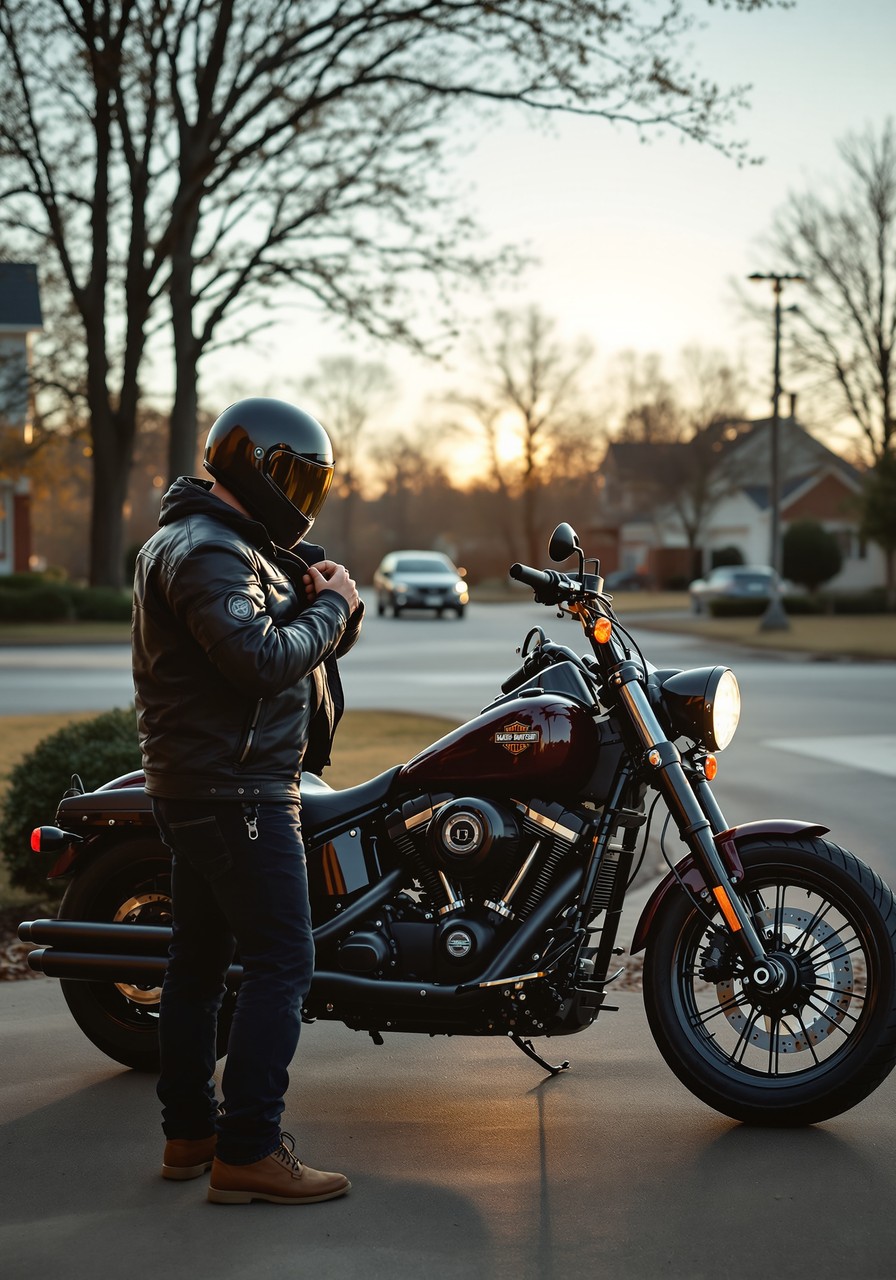
Gear & New Iron
Hi-viz is not about looking cool. It is about the driver at the four-way seeing you a half second sooner. That half second is everything. #RideNationOK #RiderTips #TulsaRiders
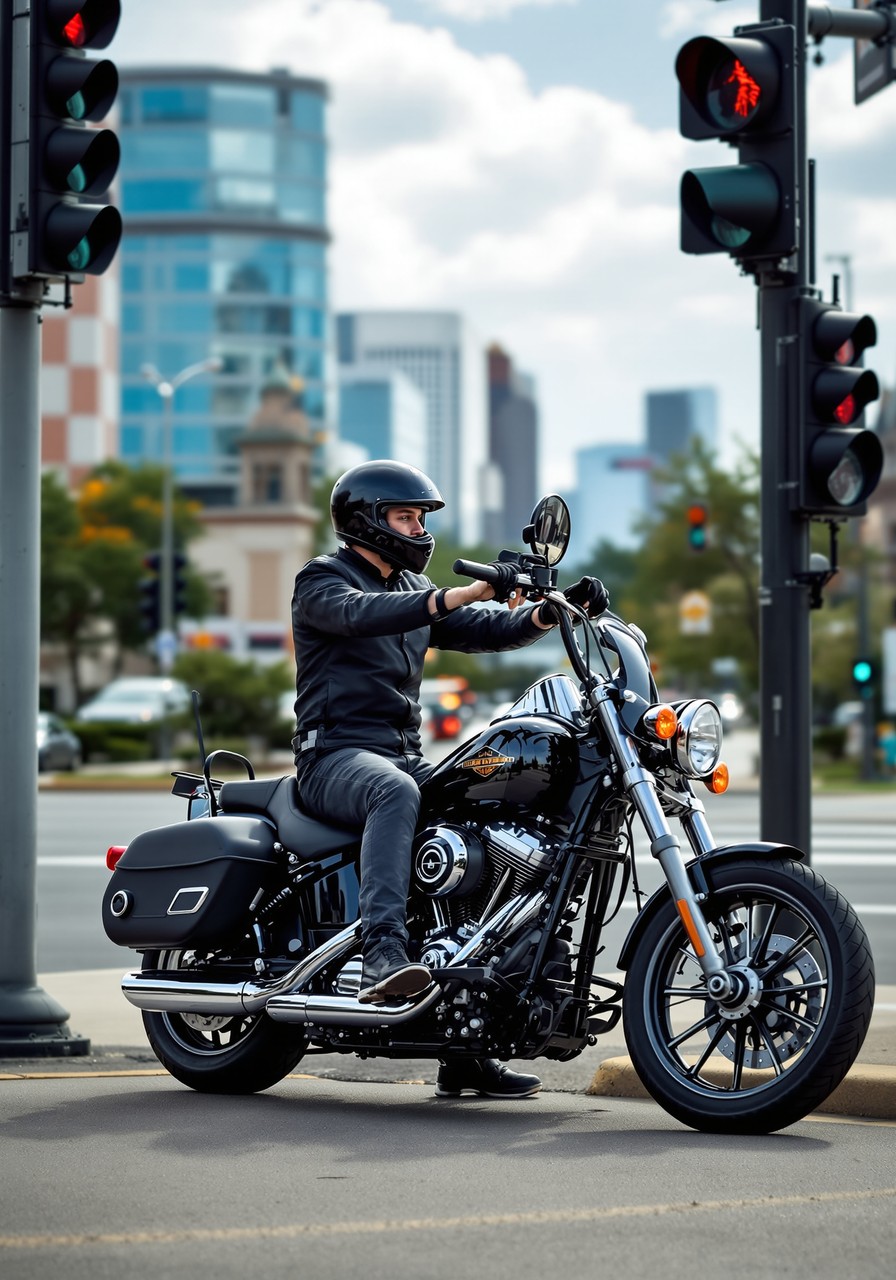
Safety & OK Law
Bridge decks and overpasses freeze first, and black ice does not care how many miles you have. Save your hard riding for clear days. If a crash was not your fault, call (918) 387-8920. #RideNationOK #MotorcycleSafety #TulsaRiders
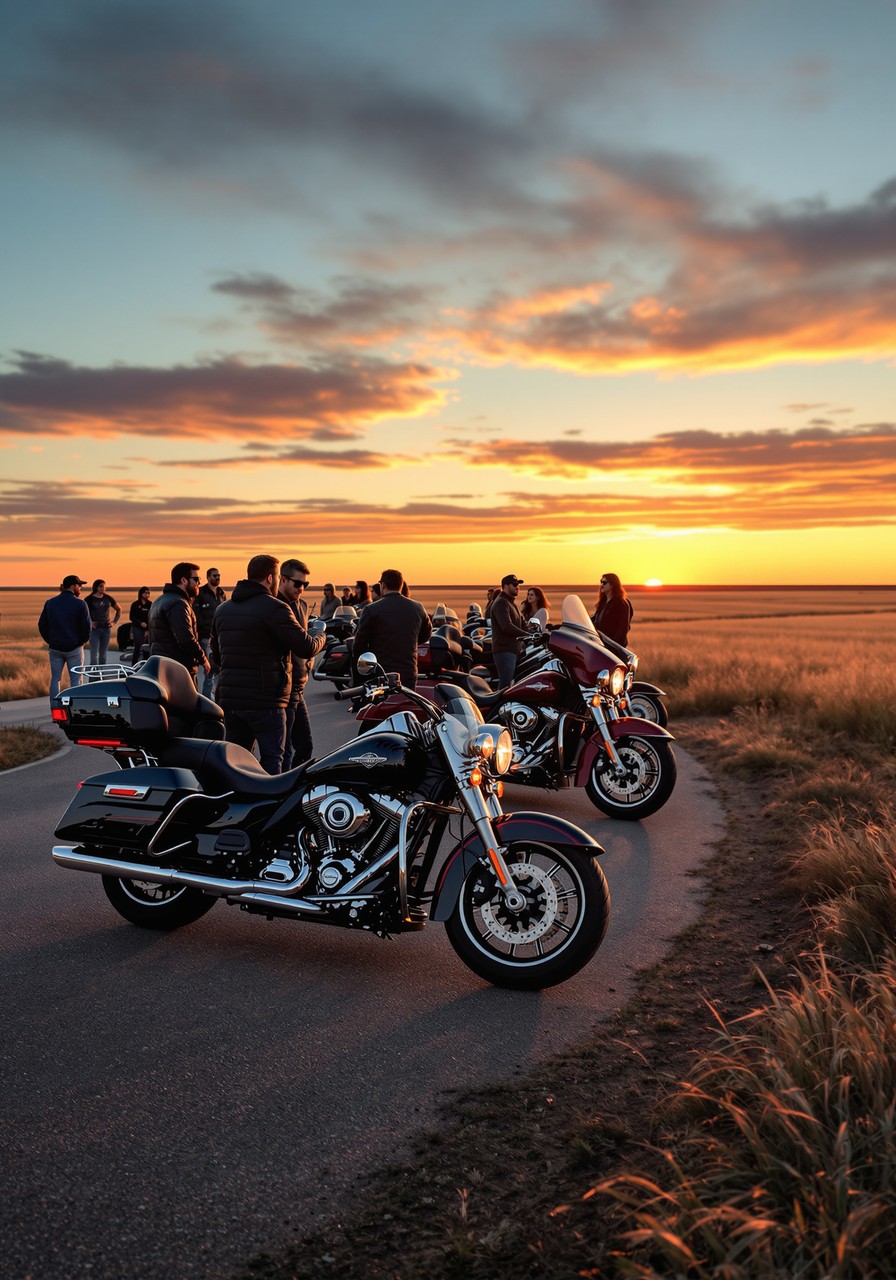
Engagement
Fill in the blank: you know it is a real Oklahoma wind when ______. #RideNationOK #OklahomaRiders #TulsaRiders
Giveaway & Countdown
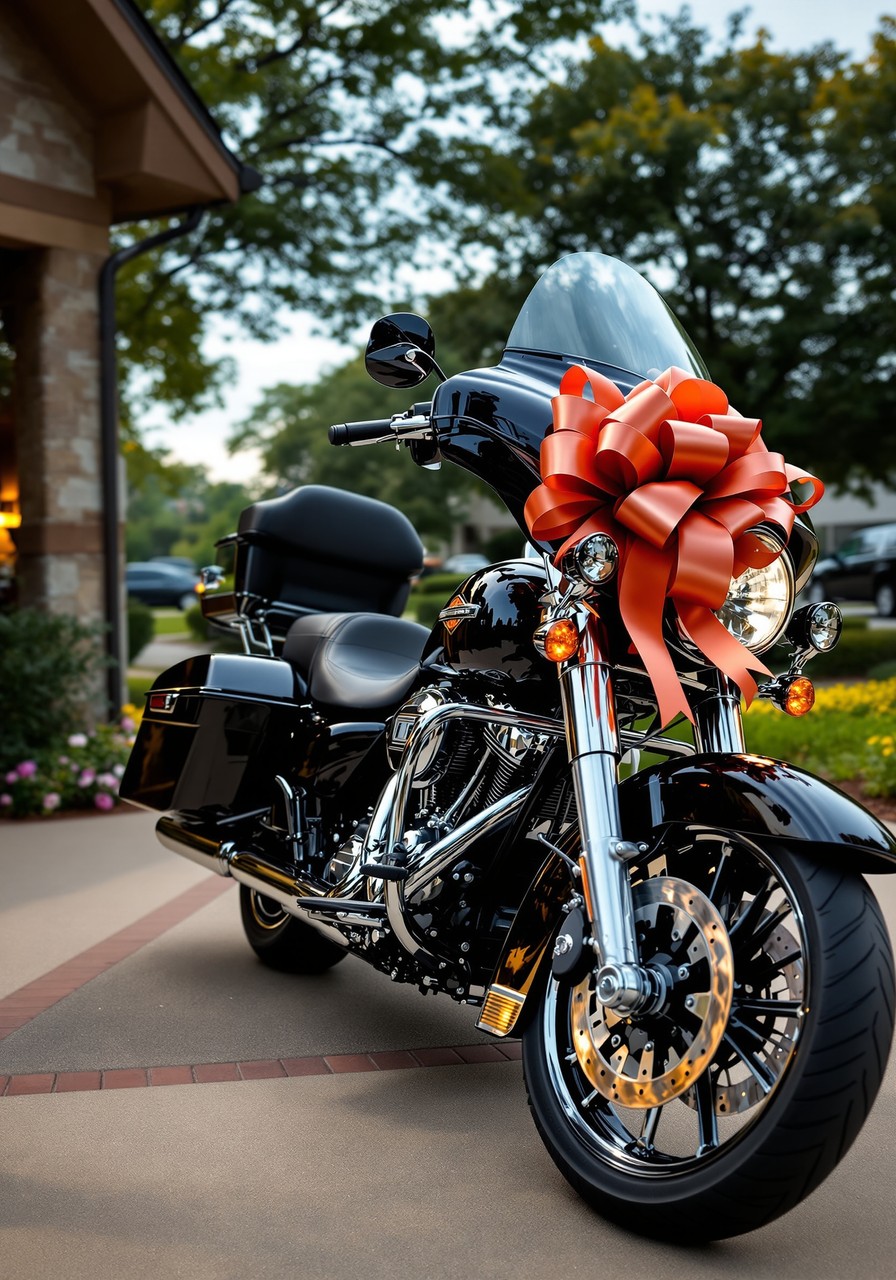
Been in a wreck this year? A quick, free talk about your claim enters you in the BikersWin drawing. Call (918) 387-8920 to start. #RideNationOK #MotorcycleGiveaway #GreenCountry
Local OK & Rides
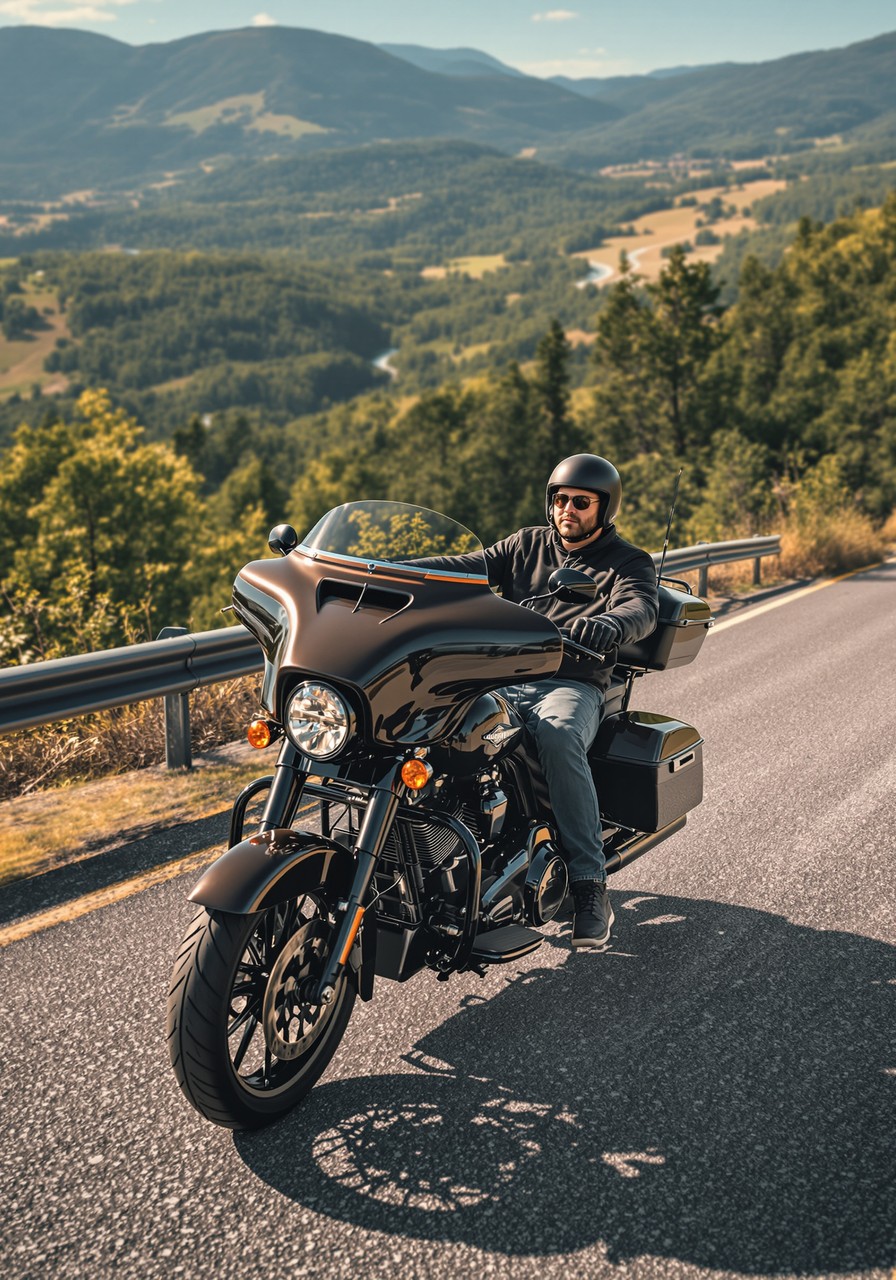
Skelly Drive and the I-44 curve get slick fast when a cold snap rolls in. Those overpasses freeze first every single time. #RideNationOK #TulsaRiders #MotorcycleRoads
Gear & New Iron
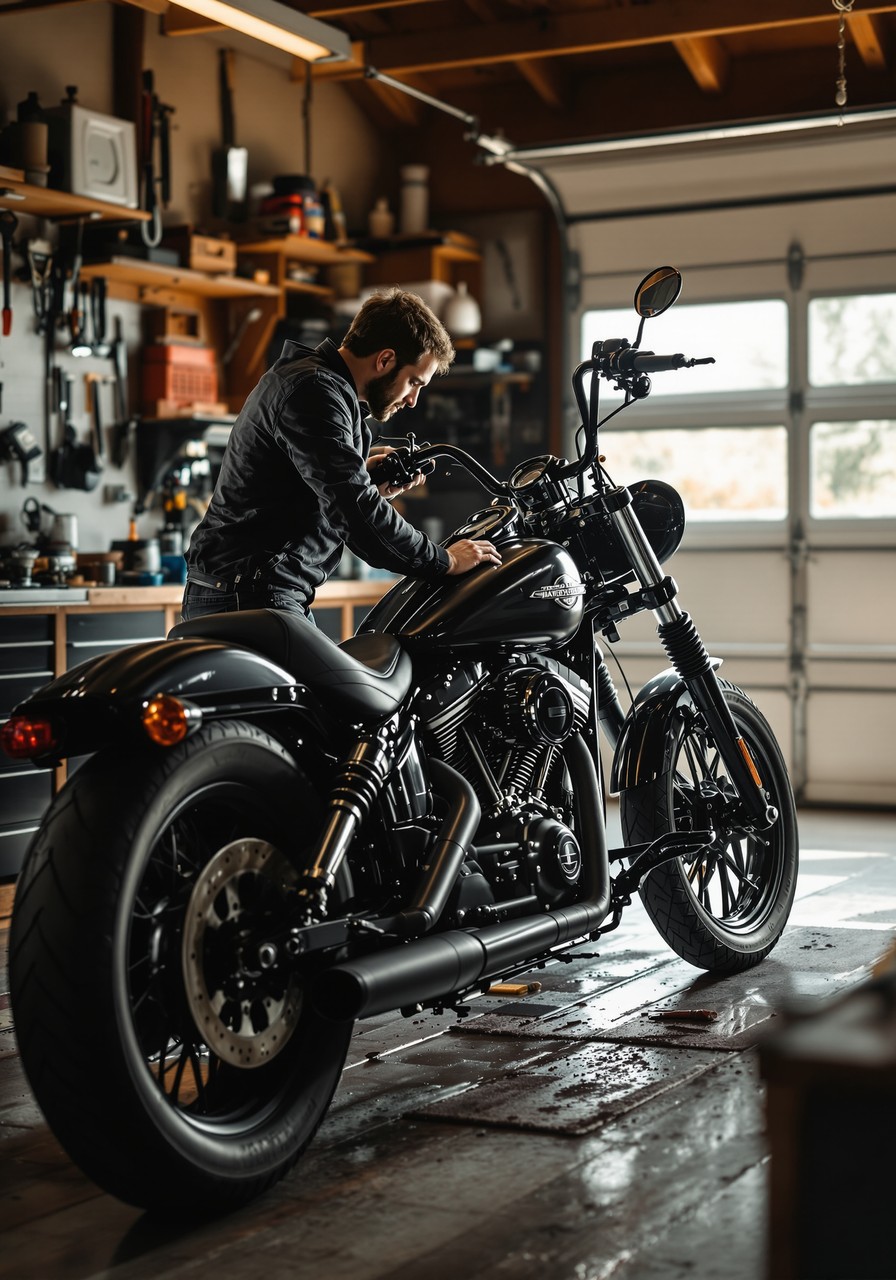
ATGATT is a habit, not a mood. Gear up on the short ride to the store too, because the crash does not check your mileage first. #RideNationOK #ATGATT #BikerLife
Safety & OK Law
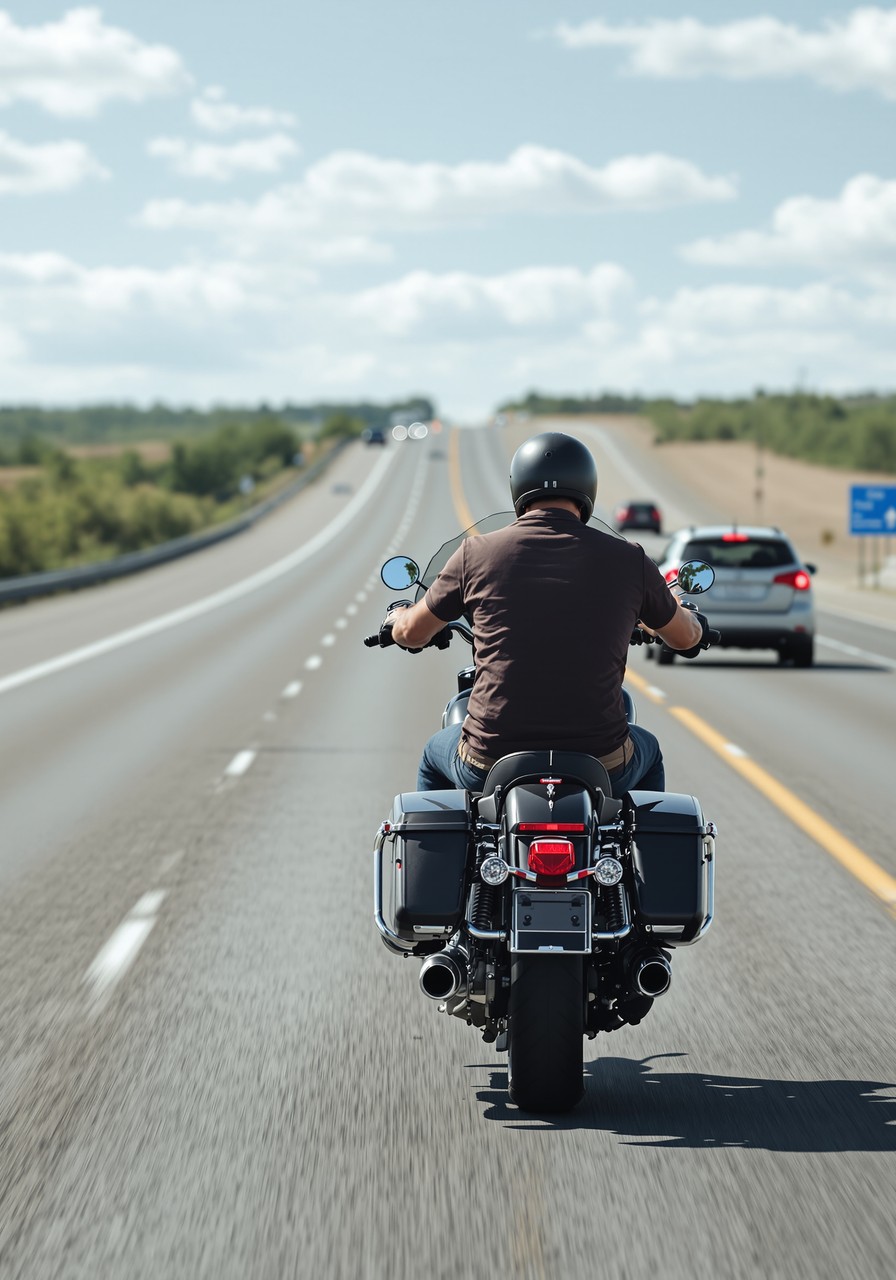
Deer move most at dawn and dusk, and one can end a ride in seconds. Slow down and scan the shoulders on rural Oklahoma roads. Hurt in a crash? Call Edwards and Patterson at (918) 387-8920. #RideNationOK #MotorcycleSafety #OklahomaRiders
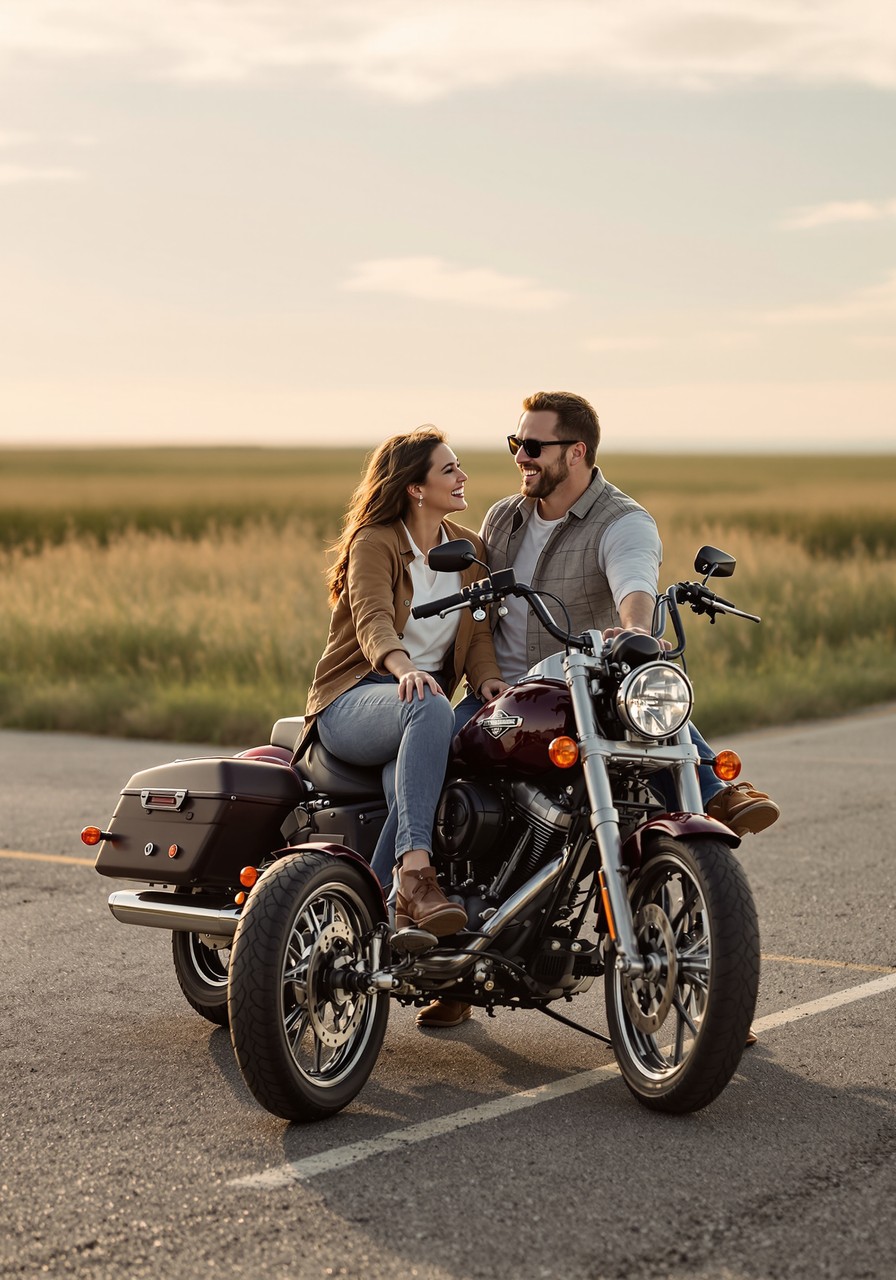
Engagement
Caption this: prairie sky stretching out flat and gold on the way to Pawhuska. Give us your best line. #RideNationOK #OsageHills #Route66
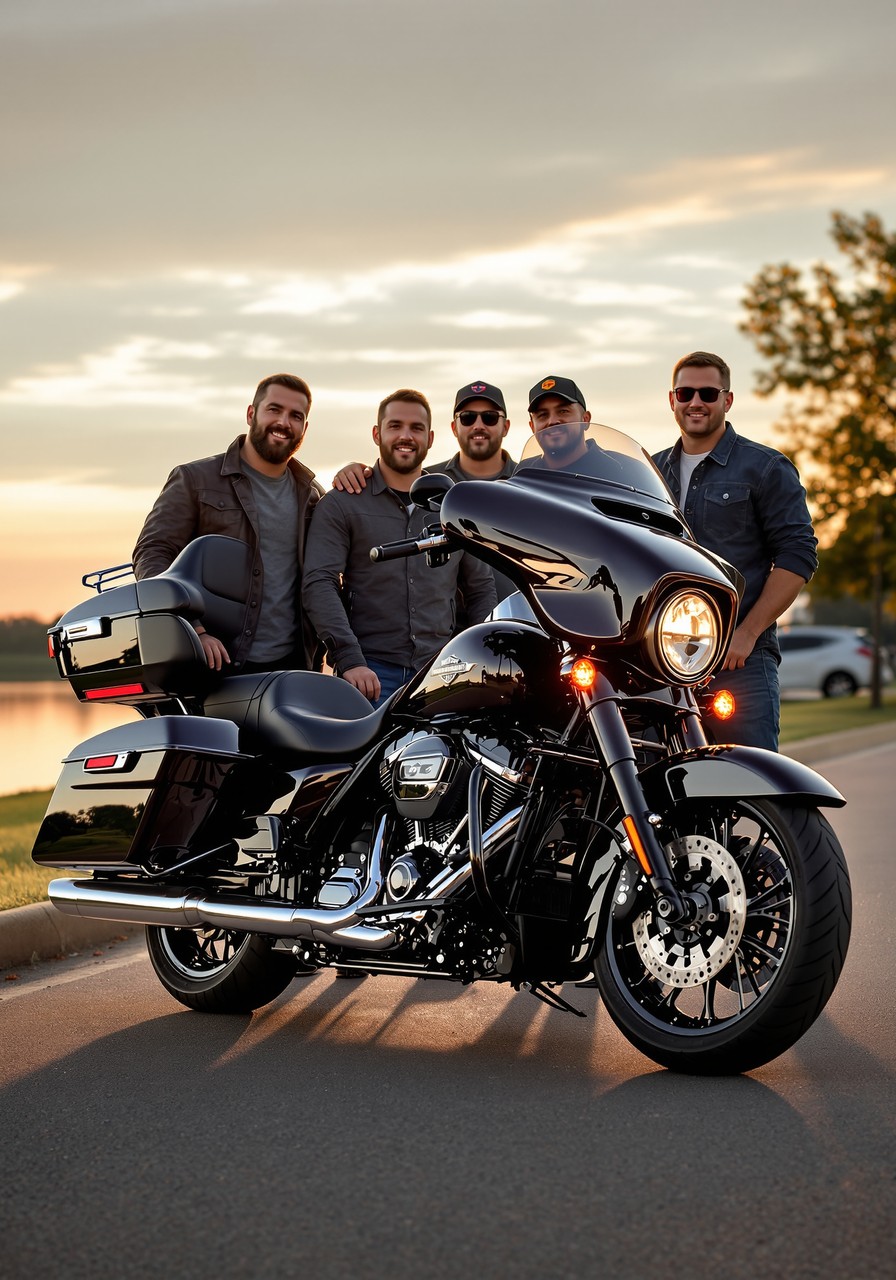
Giveaway & Countdown
Twenty thousand dollars. One rider. Are you in yet? #RideNationOK #20kGiveaway #TulsaRiders
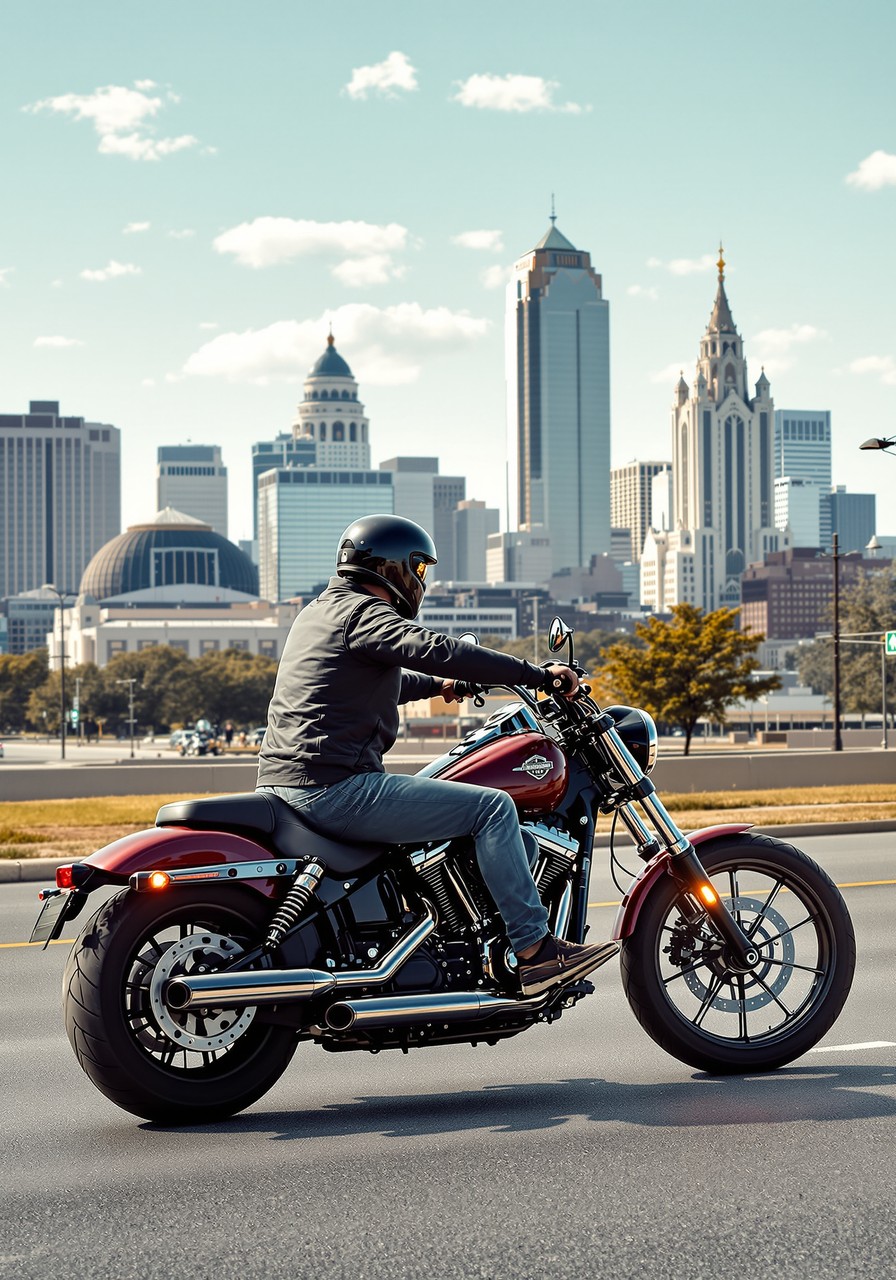
Local OK & Rides
US-75 north runs long and open, which means the crosswind will push you around up there. Loosen your grip and let the bike track. #RideNationOK #OklahomaRiders
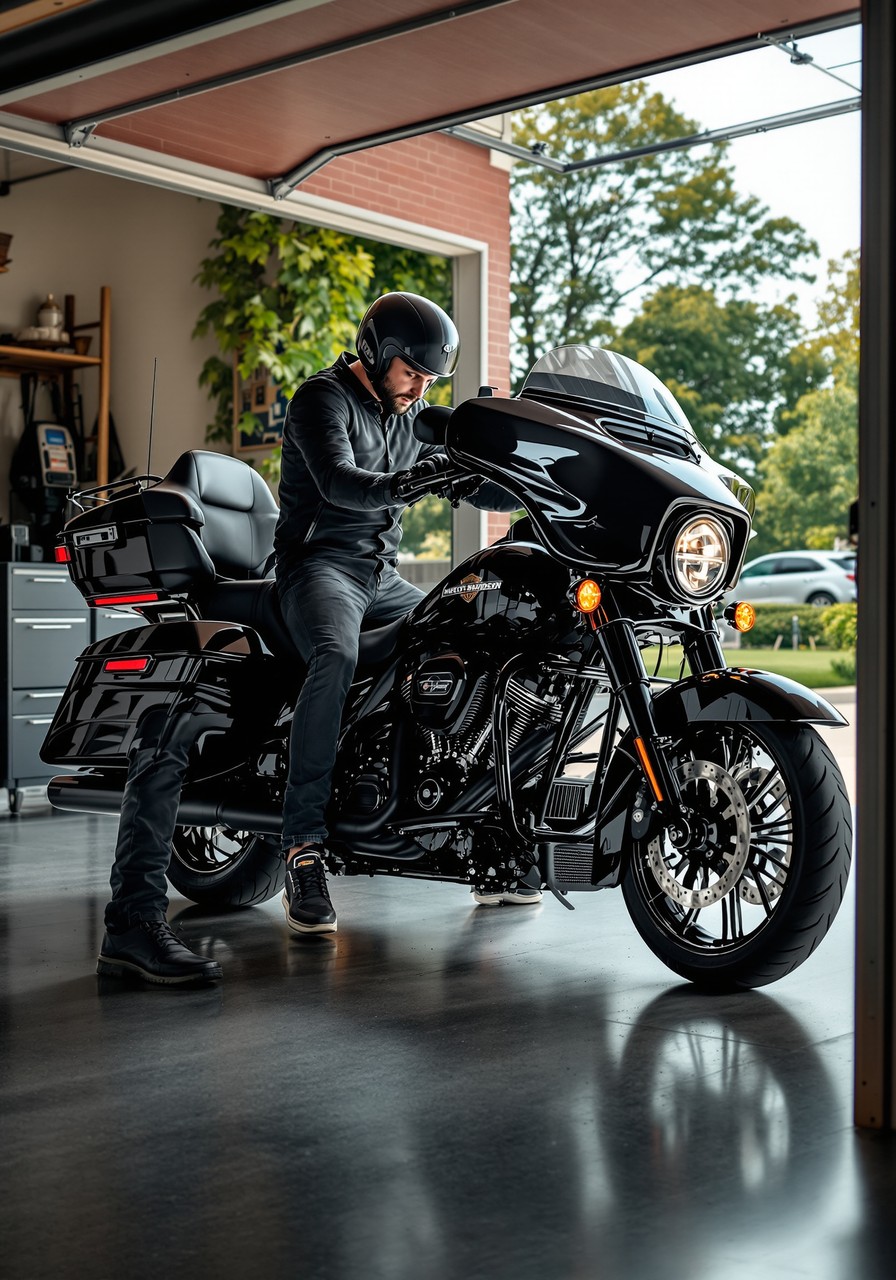
Gear & New Iron
Sneakers do not protect ankles. Over-the-ankle boots with a real sole keep your feet where they belong when a bike goes down. Boots first, always. #RideNationOK #ATGATT #GearUp
Safety & OK Law
A helmet or bar cam can turn your word against theirs into plain proof. In a comparative fault state that footage protects your claim. Questions after a crash? Call (918) 387-8920. #RideNationOK #KnowYourRights #RiderRights
Engagement
Poll: cruiser, sport, adventure, or standard. What is in your garage right now? #RideNationOK #TwoWheels #TulsaRiders
Giveaway & Countdown
No purchase, no catch. Talking with us about your motorcycle crash is your ticket into the $20,000 giveaway. (918) 387-8920. #RideNationOK #BikersWin #OklahomaRiders
Local OK & Rides
US-169, the Mingo Valley Expressway, moves fast and blind-spot heavy. Ride like nobody sees you, because half of them do not. #RideNationOK #TulsaRiders
Gear & New Iron
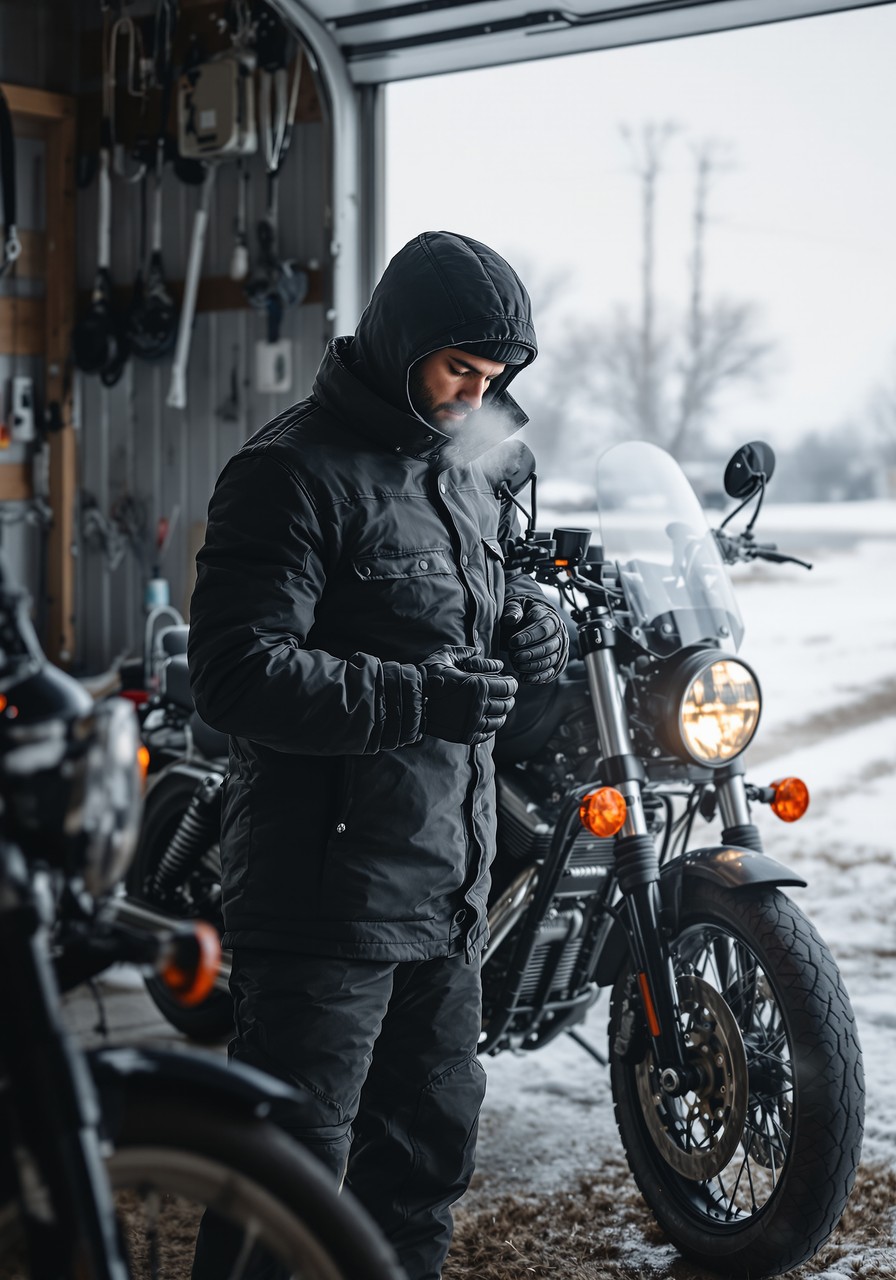
Check your tire dates. That four-digit code on the sidewall is the week and year it was built. Rubber older than about six years gets hard and loses grip no matter the tread. #RideNationOK #MotorcycleMaintenance #RiderTips
Safety & OK Law
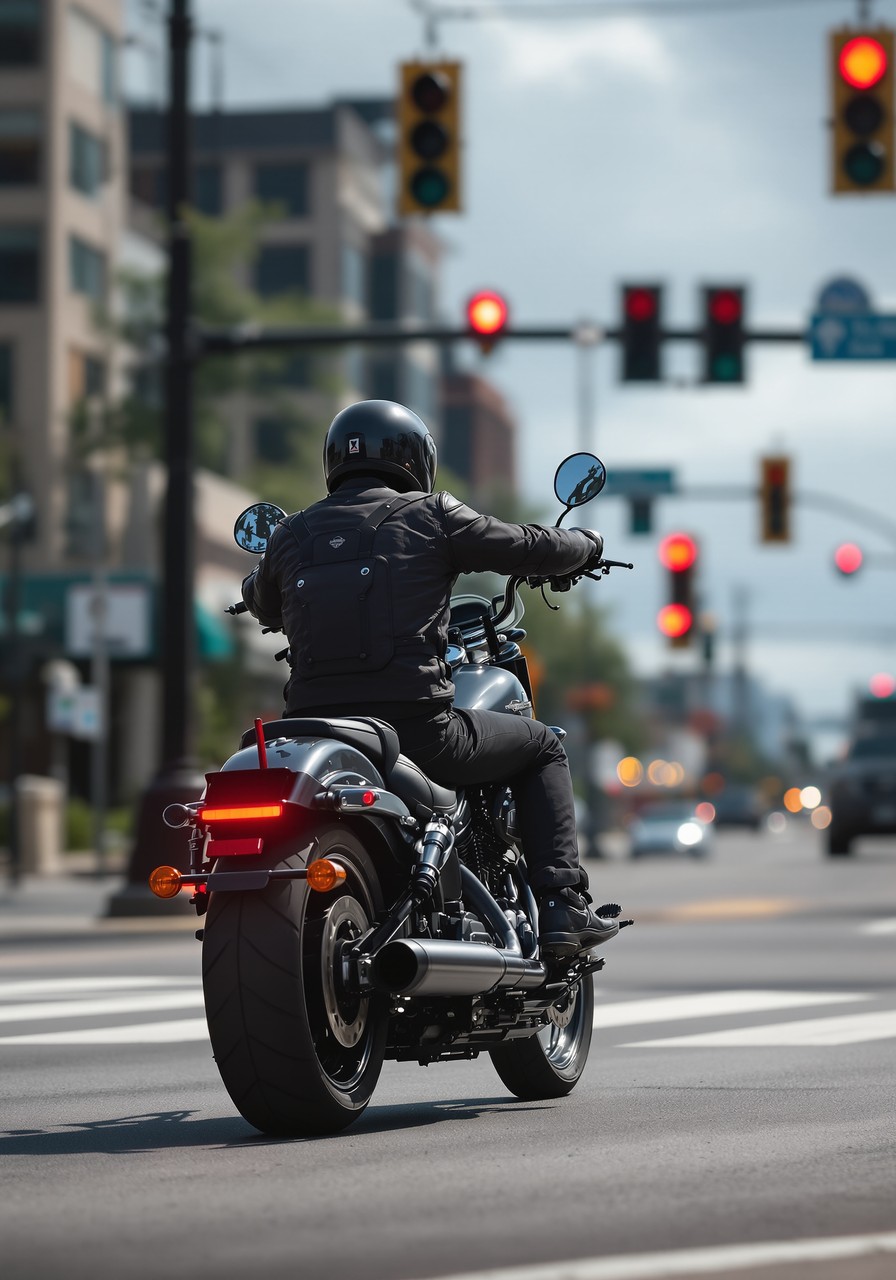
Because Oklahoma reduces your recovery by your share of fault, the insurer's whole game is padding your percentage. Do not hand them the story. Call (918) 387-8920. #RideNationOK #RiderRights #KnowYourRights
Engagement
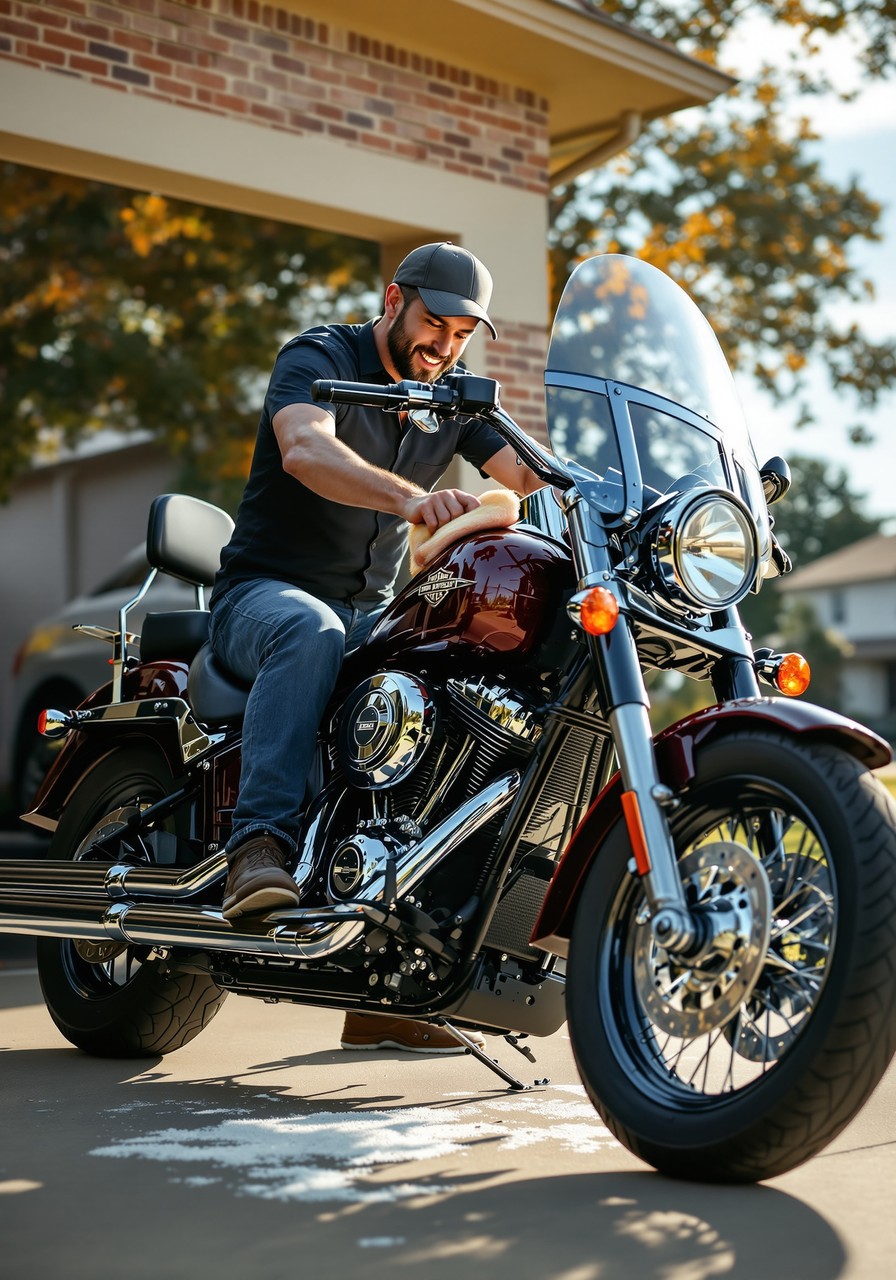
Best gas-station coffee stop on a Green Country run. Name it and we will build a list. #RideNationOK #GreenCountry #OklahomaRiders
Giveaway & Countdown
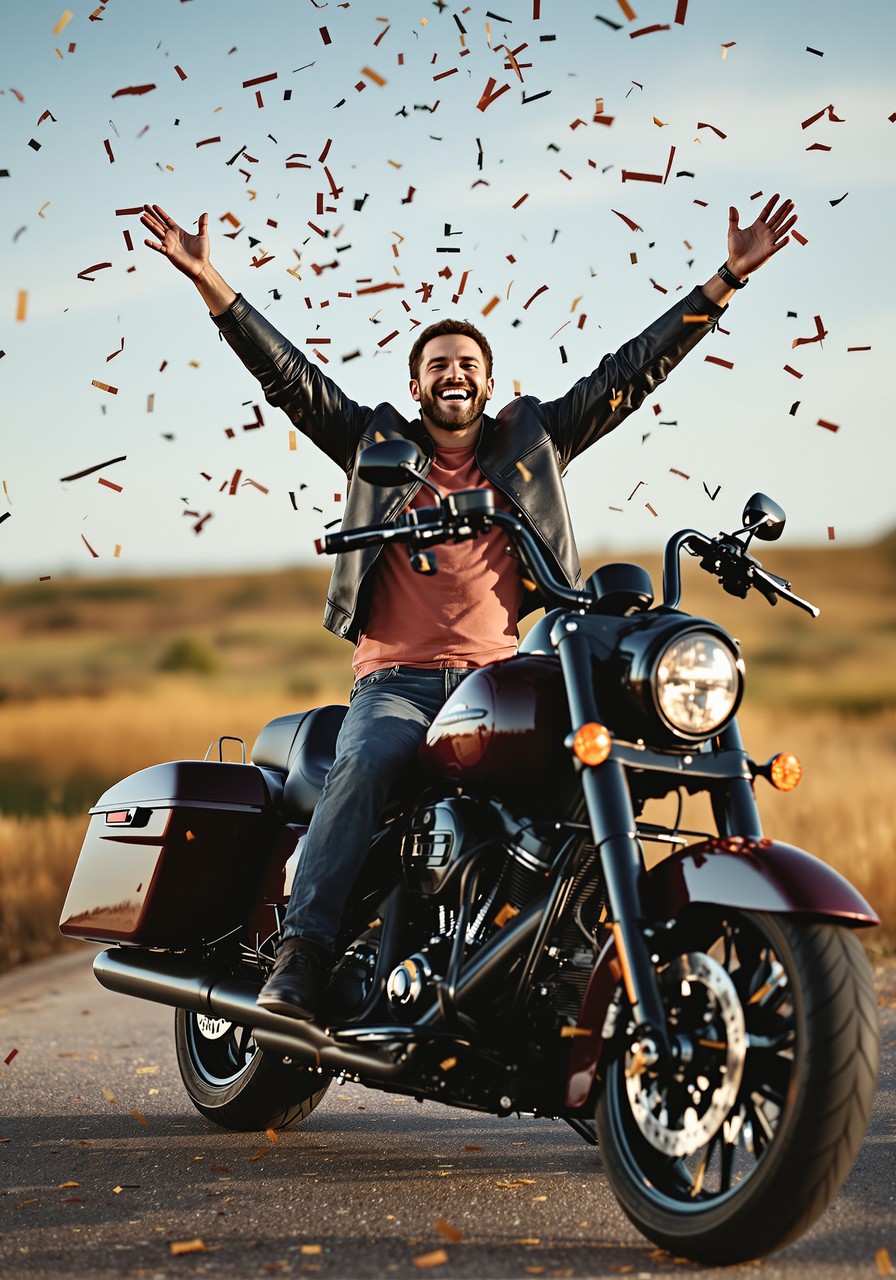
Momentum is building, Green Country. Riders are getting entered every week. Do not sit this one out. #RideNationOK #MotorcycleGiveaway #GreenCountry
Local OK & Rides
The Broken Arrow Expressway, SH-51, is a daily grind for a lot of us. Merge early, leave a cushion, get home. #RideNationOK #TulsaRiders
Gear & New Iron
Tread test: if the wear bars are flush with the surface, the tire is done. Grip is the only thing between you and the pavement. Do not stretch a bald one. #RideNationOK #MotorcycleMaintenance #RiderTips
Safety & OK Law
"I never saw the motorcycle" is not a defense, it is an admission the driver was not paying attention. If you heard it after your wreck, call Edwards and Patterson at (918) 387-8920. #RideNationOK #RiderRights #TulsaRiders
Engagement
This or that: sunrise start and beat the wind, or lazy late-morning roll. Which rider are you? #RideNationOK #TulsaRiders #TwoWheels
Giveaway & Countdown
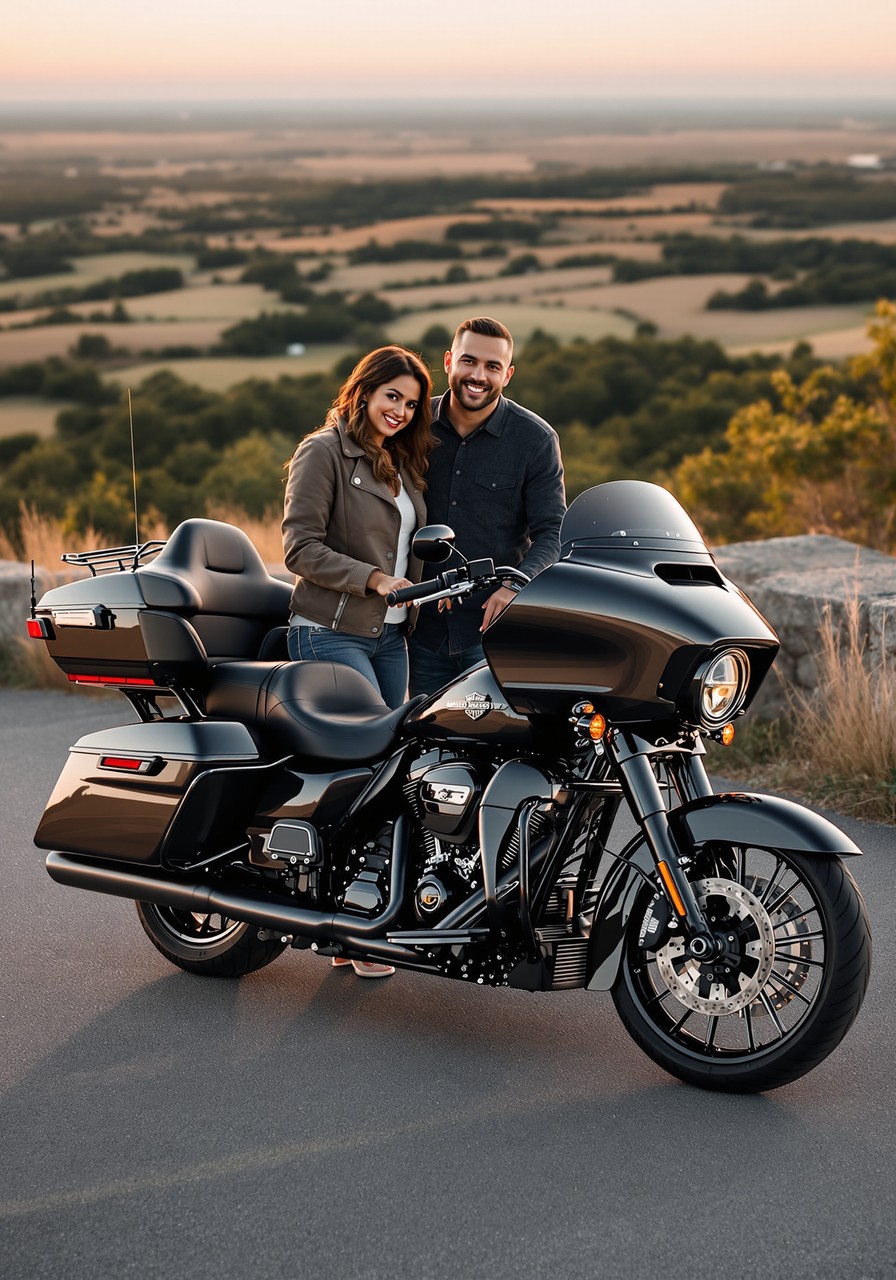
Curious what it takes to enter? Just a free conversation about your crash. That easy. Ask us at (918) 387-8920. #RideNationOK #BikersWin #TulsaRiders
Local OK & Rides
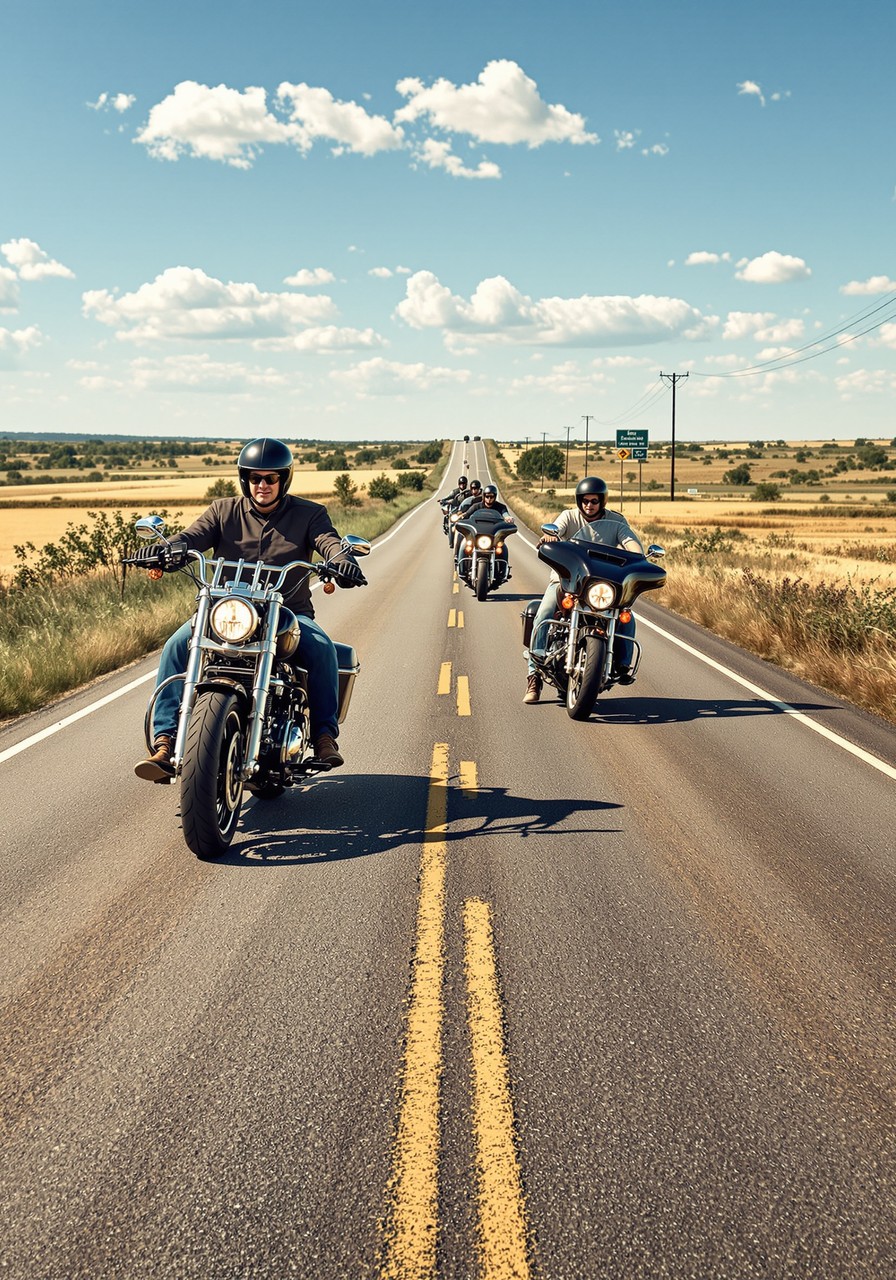
The Creek Turnpike is fast and wide open, and the crosswind out there is relentless. Plan your lane before the gust does it for you. #RideNationOK #OklahomaRiders #MotorcycleRoads
Gear & New Iron
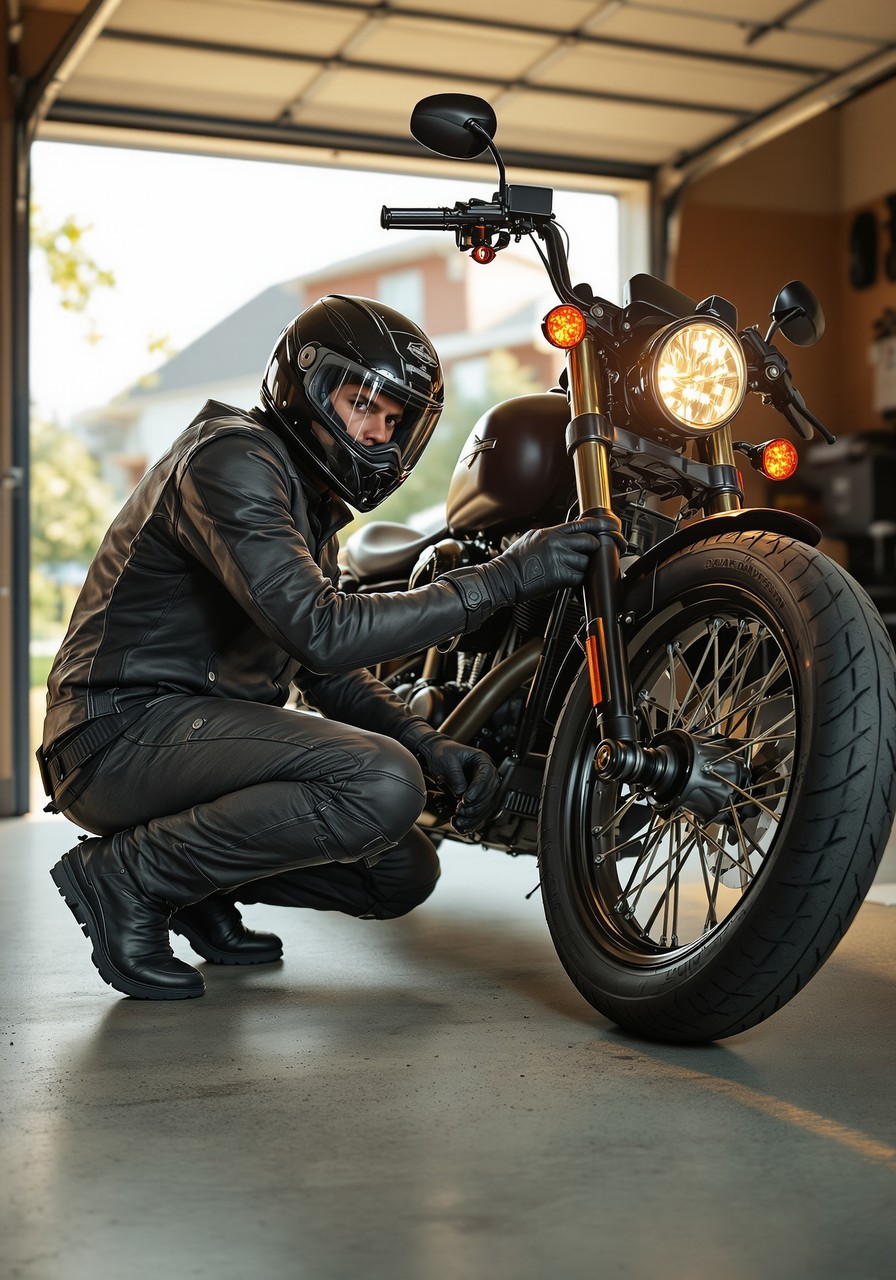
Cold air drops your tire pressure. Check it on a cold morning before you ride, not after, and set it to the number on your bike, not the tire. #RideNationOK #ColdWeatherRiding #MotorcycleMaintenance
Safety & OK Law
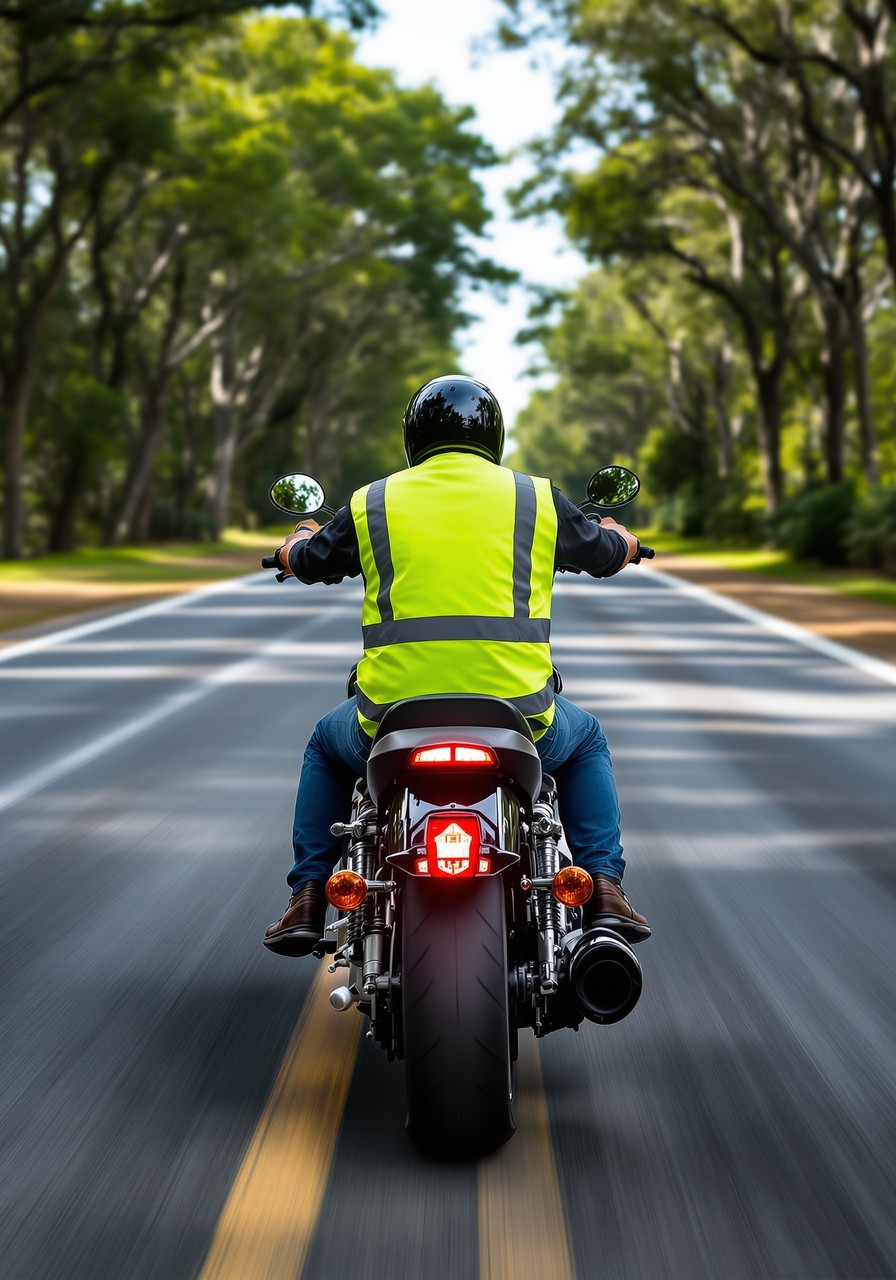
Choosing to ride without a helmet is legal for adults in Oklahoma, and it does not make a crash your fault. Do not let an adjuster tell you otherwise. Call (918) 387-8920. #RideNationOK #RiderRights #KnowYourRights
Engagement
Tag someone who needs a spring ride on the calendar already. Winter is long enough. #RideNationOK #RideOrDie #OklahomaRiders
Giveaway & Countdown
The BikersWin countdown keeps rolling. Twenty grand is still up for grabs, Tulsa. #RideNationOK #20kGiveaway #OklahomaRiders
Local OK & Rides
December in Oklahoma means garage season for a lot of us. Good time to change the oil, check the chain, and dream about spring Route 66 runs. #RideNationOK #TulsaRiders #Route66
Gear & New Iron
A battery tender over winter is the difference between a spring ride and a dead click. Hook it up before the bike sits and skip the jump-start headache. #RideNationOK #MotorcycleMaintenance #GearUp
Safety & OK Law
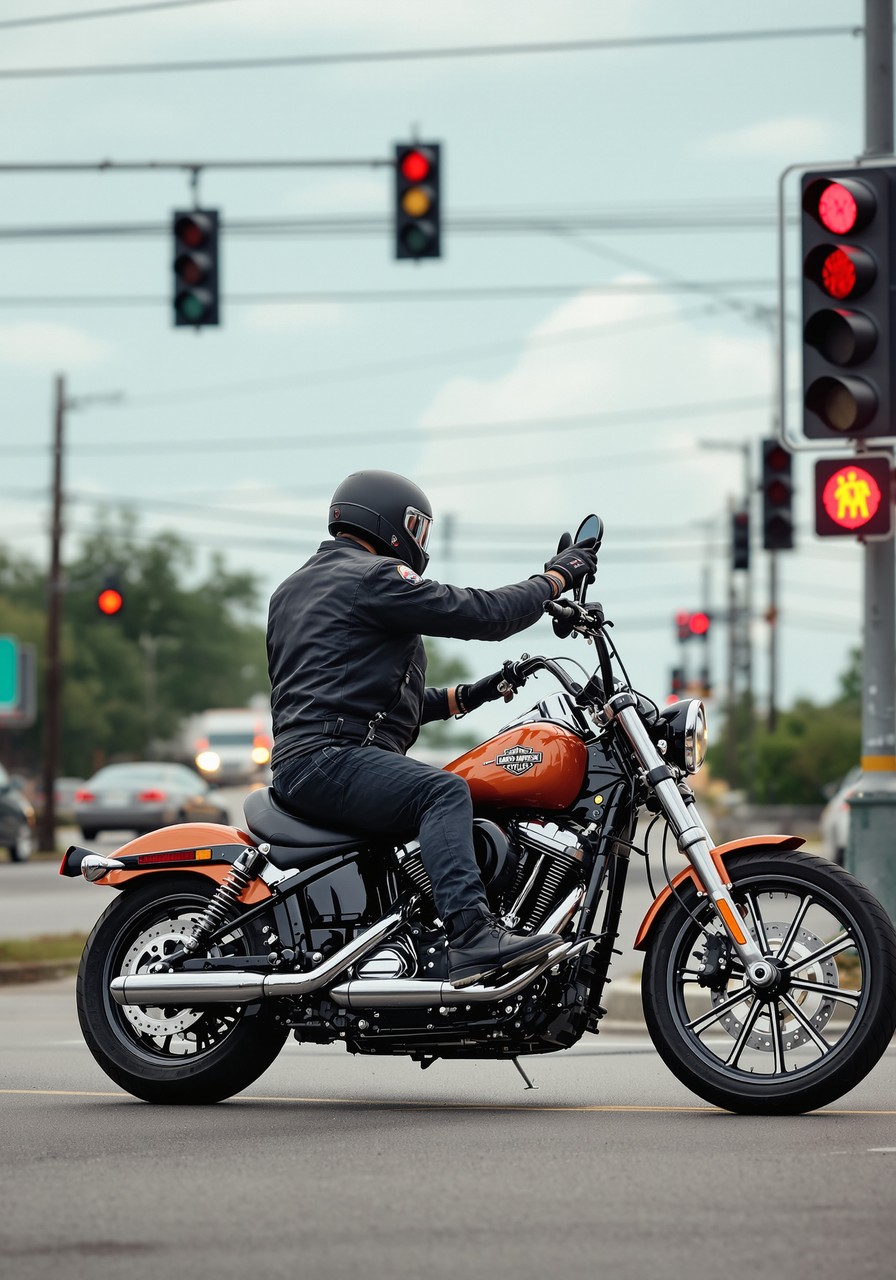
Winter ice storms take Green Country off guard every year, and a bike has no business on glazed roads. Park it on the ugly days. If someone else caused your crash, call (918) 387-8920. #RideNationOK #MotorcycleSafety #GreenCountry
Engagement
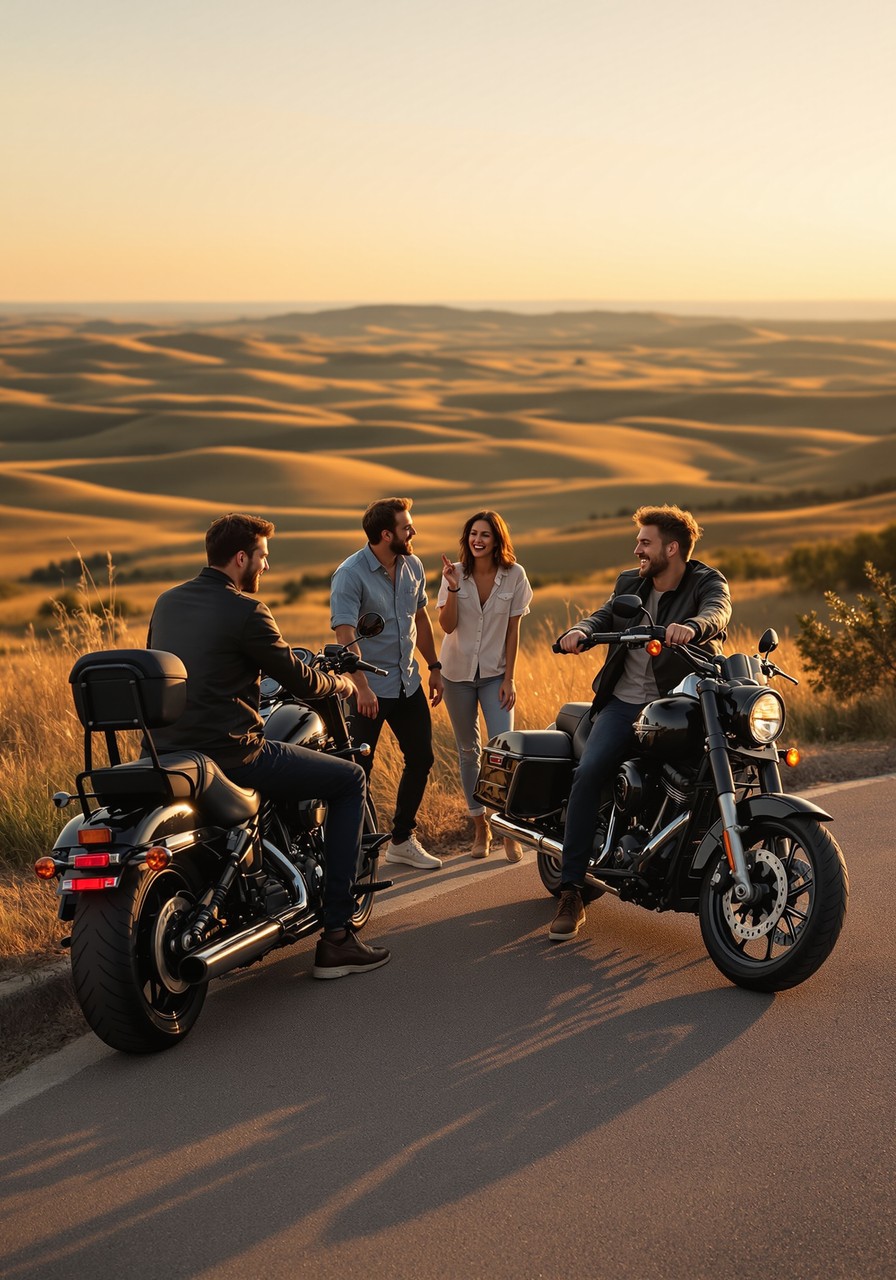
Fill in the blank: my cold-weather ride is not complete without ______. #RideNationOK #TulsaRiders #TwoWheels
Giveaway & Countdown
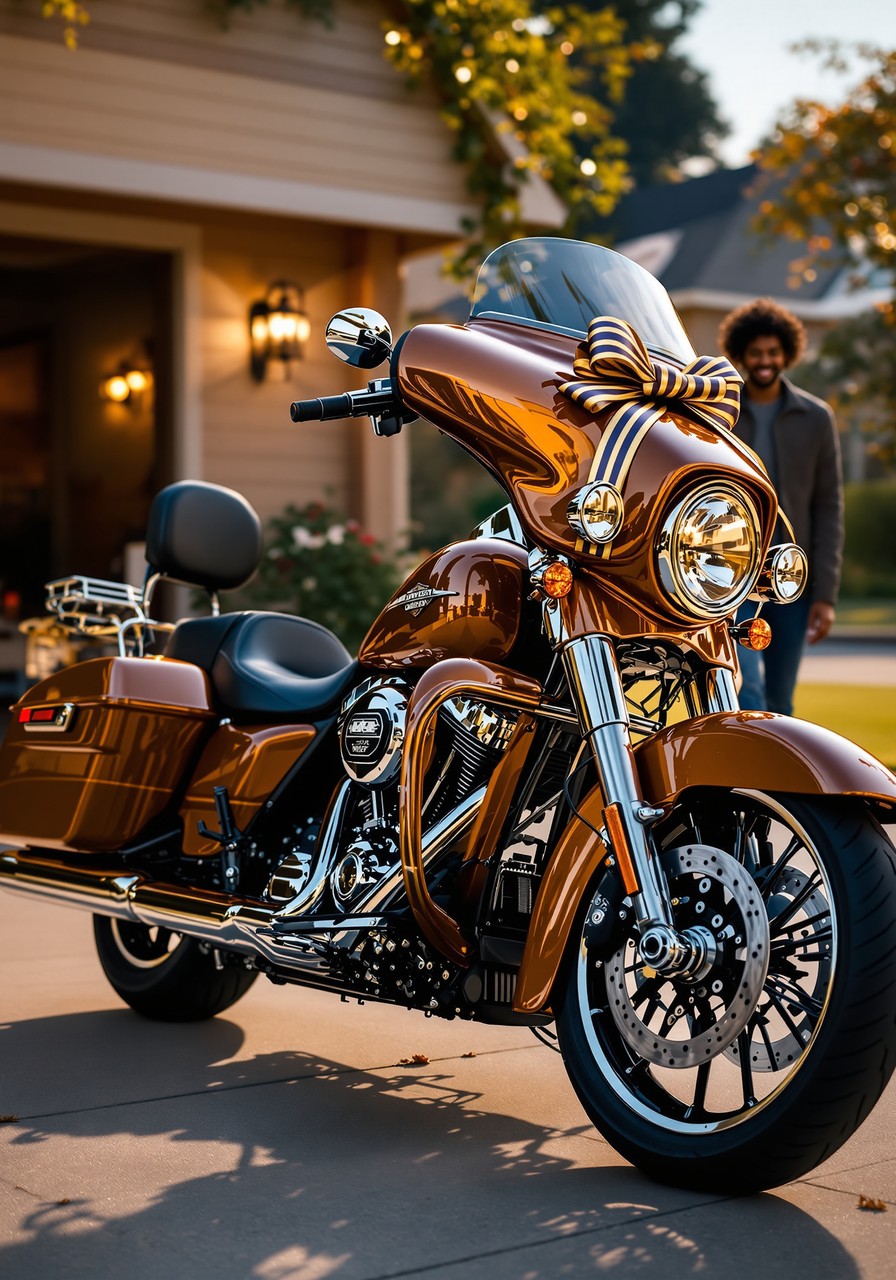
Know a rider who went down recently? Send them our way. A free case review gets them into the giveaway. Line is (918) 387-8920. #RideNationOK #BikersWin #GreenCountry
Local OK & Rides
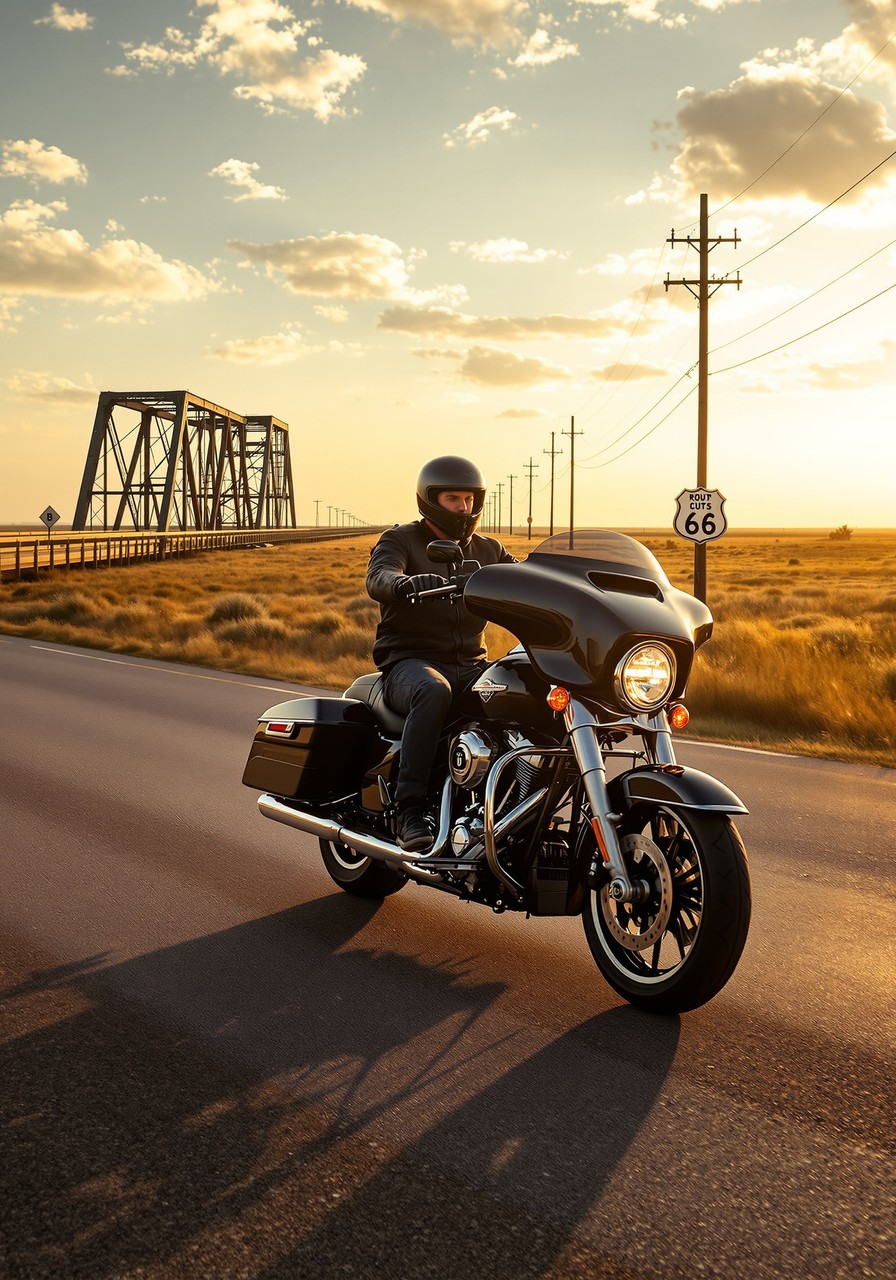
Ice storm in the forecast this week. Park it, plug in the tender, and live to ride the next warm day. #RideNationOK #OklahomaRiders
Gear & New Iron
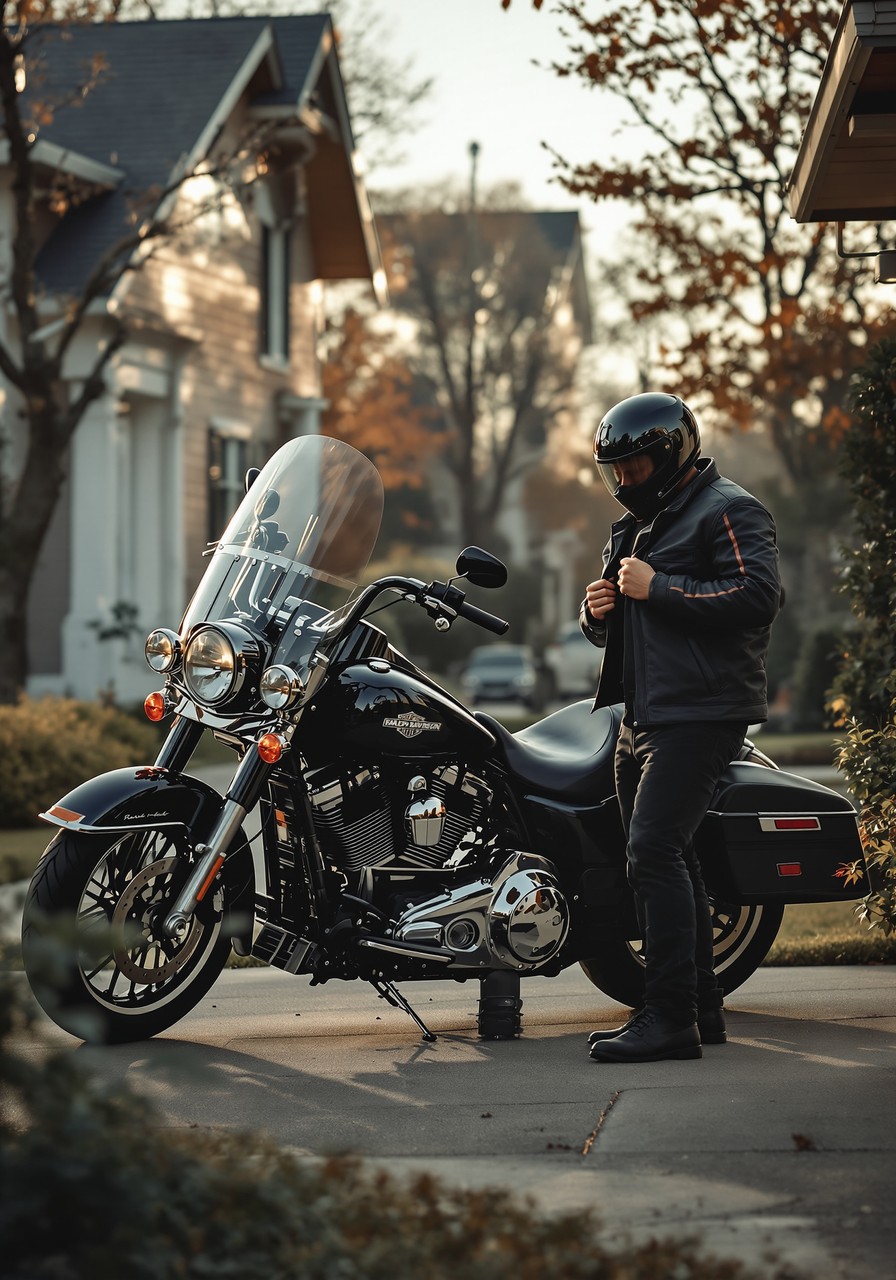
Bikes hate sitting in the cold. If yours parks for weeks, a smart tender keeps the battery topped without cooking it. Plug in and walk away. #RideNationOK #ColdWeatherRiding #MotorcycleMaintenance
Safety & OK Law
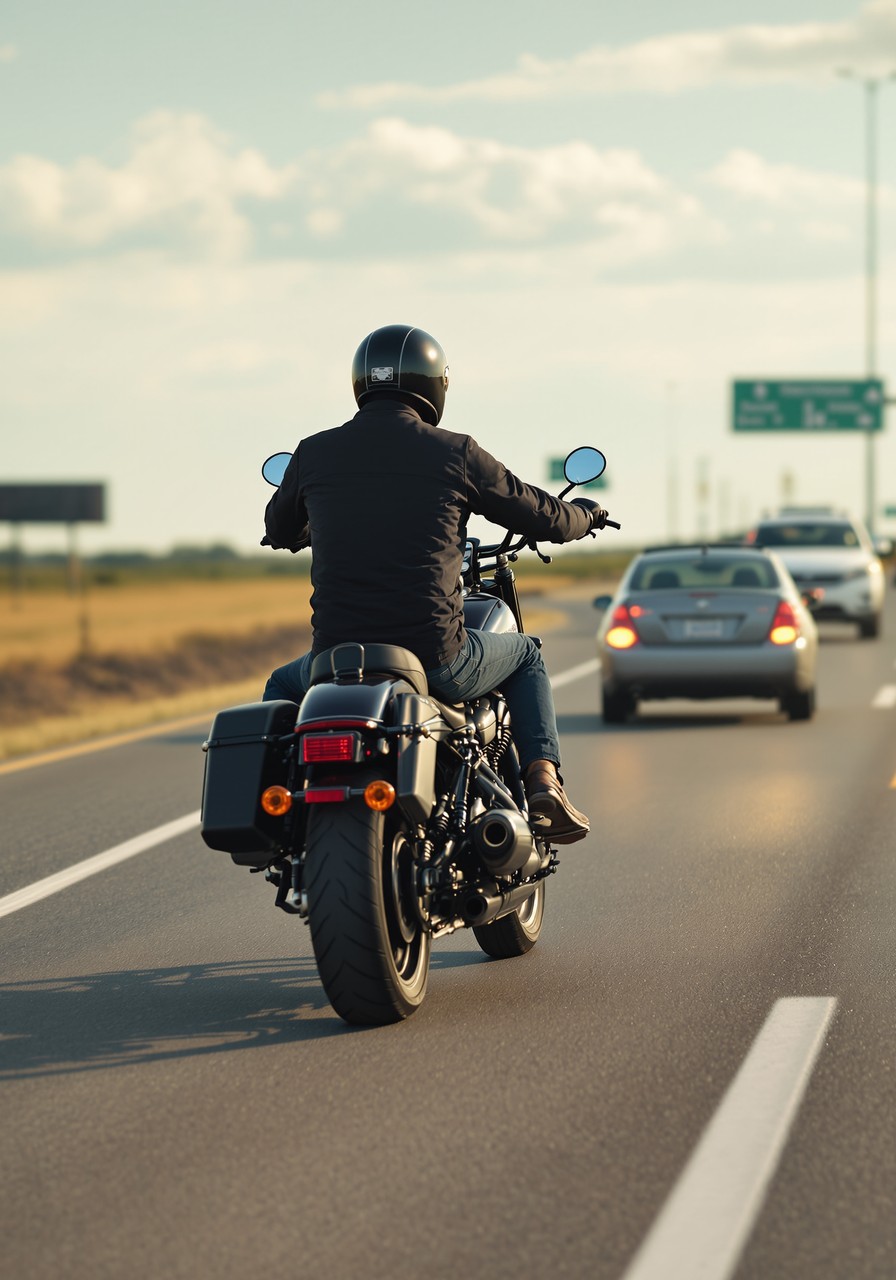
The at-fault driver's coverage is supposed to pay your medical bills, but their insurer will drag it out. You do not have to fight that alone. Call Edwards and Patterson at (918) 387-8920. #RideNationOK #RiderRights #OklahomaRiders
Engagement
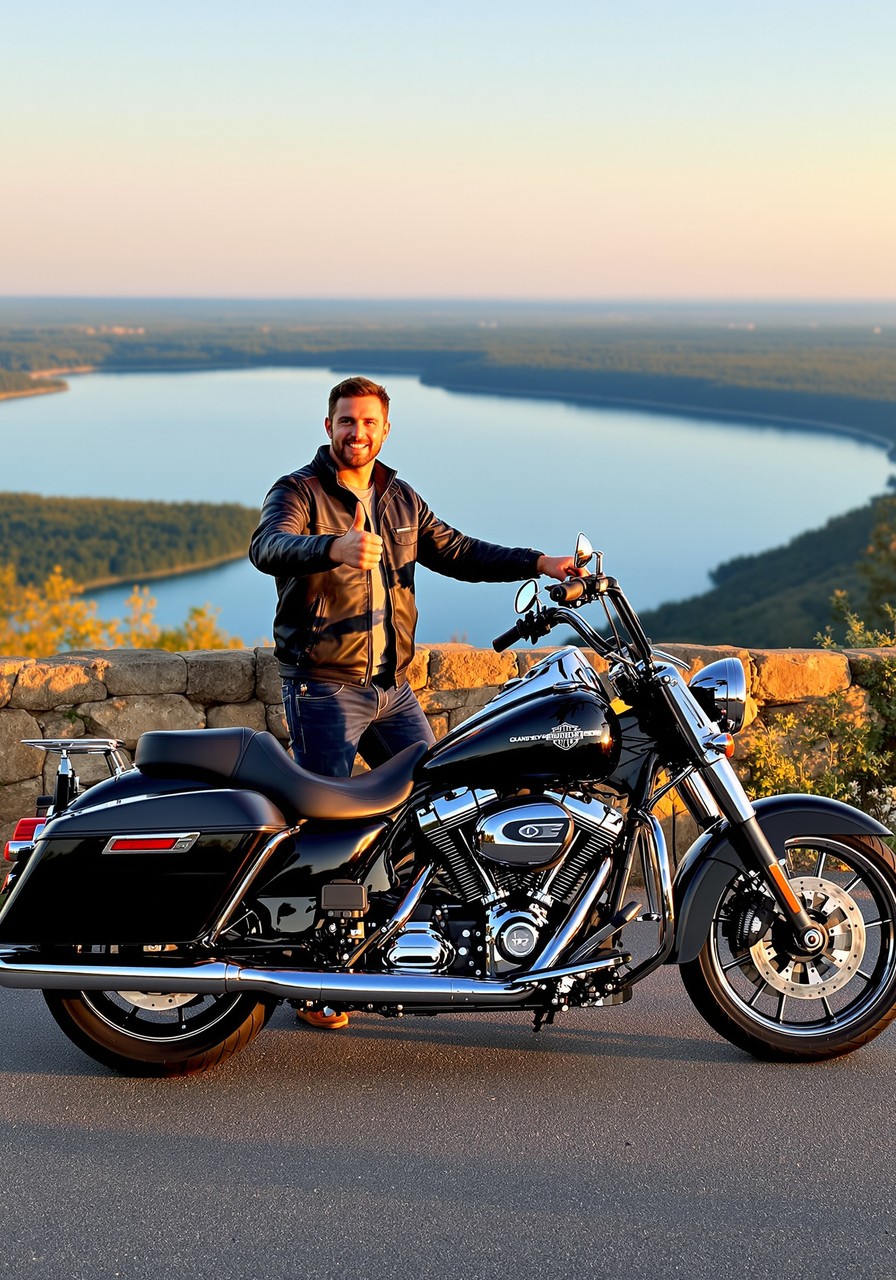
Caption this: bikes parked in a row, ice storm melting off the street behind them. What is the group text saying? #RideNationOK #GreenCountry #TulsaRiders
Giveaway & Countdown
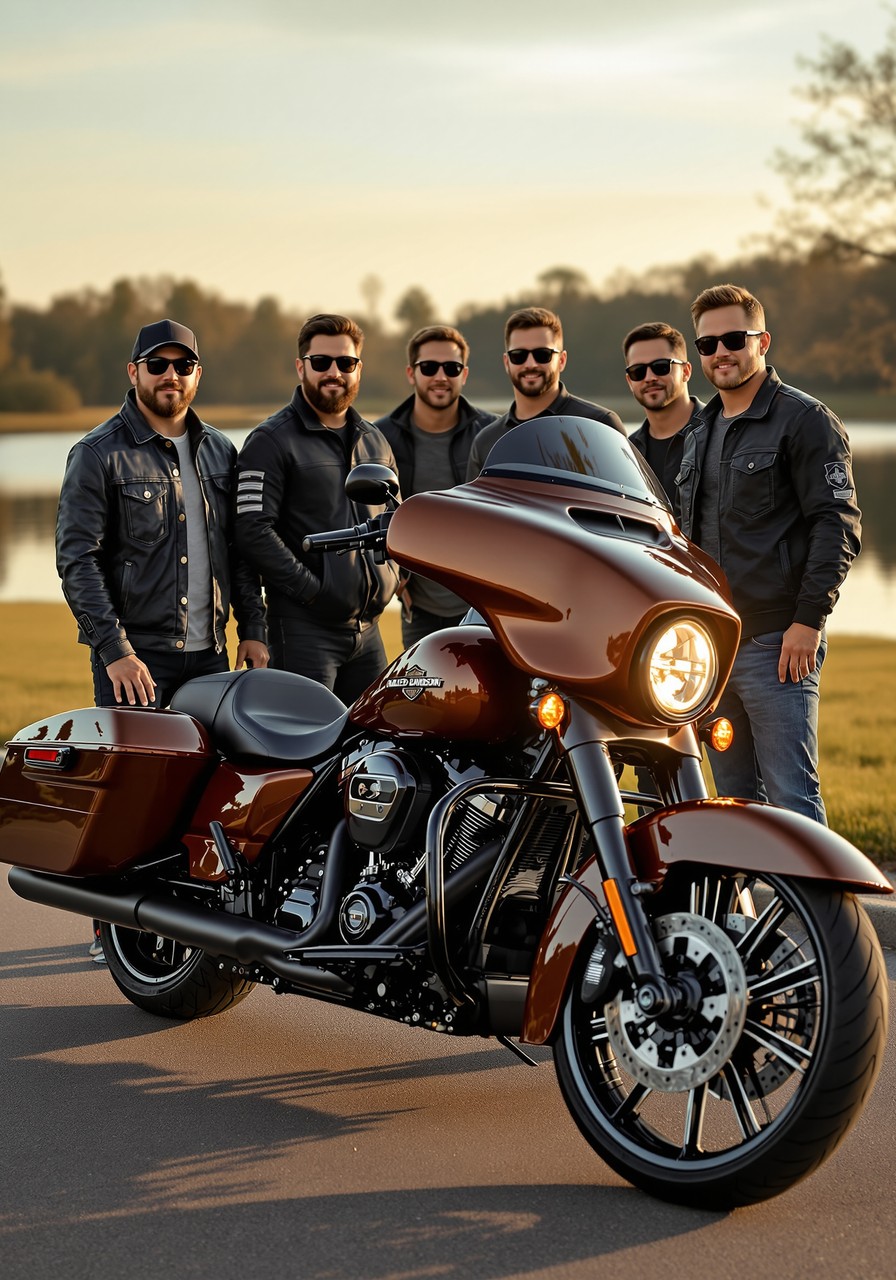
Winner energy only, Ride Nation. Somebody in Green Country is about to score twenty thousand dollars. #RideNationOK #MotorcycleGiveaway #TulsaRiders
Local OK & Rides
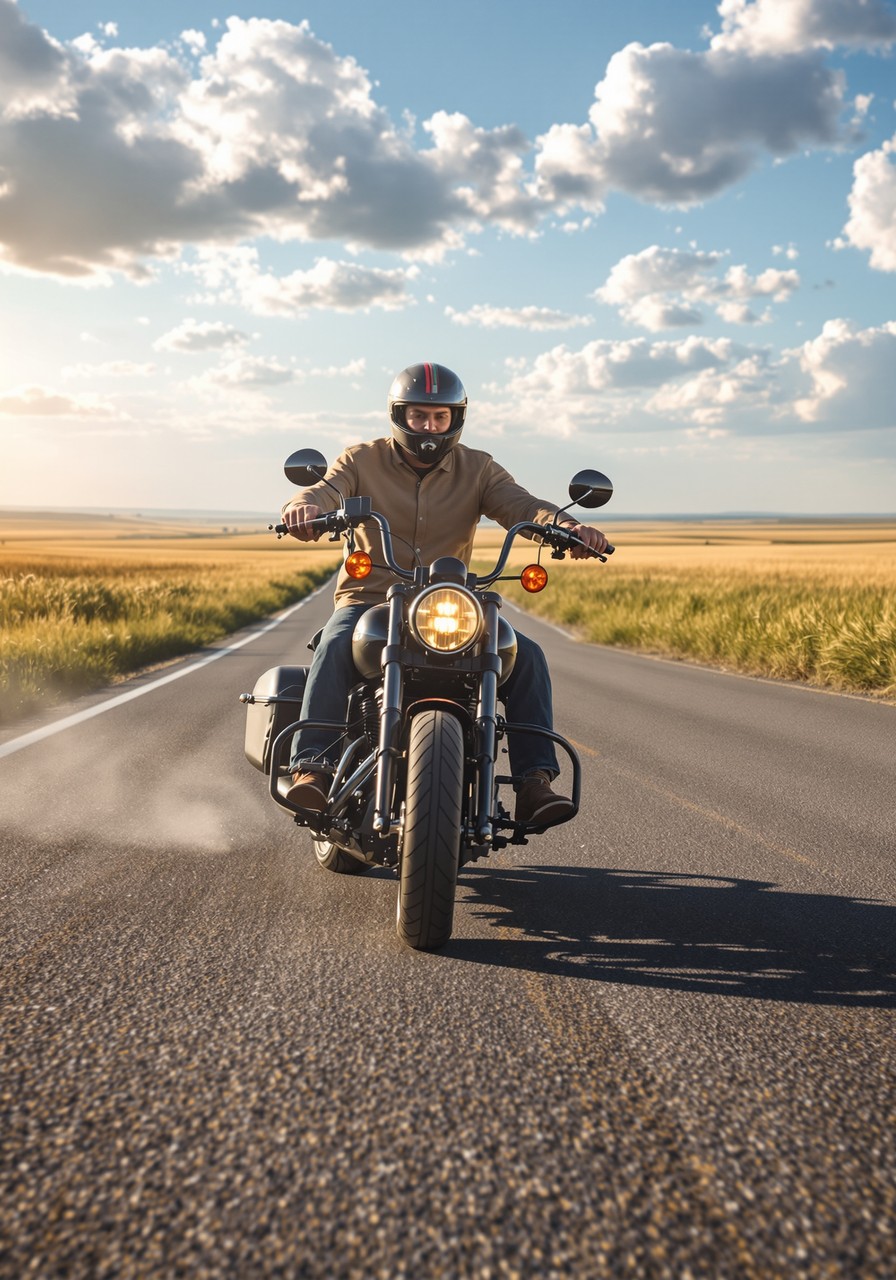
January in Green Country loves to tease you with one sixty-degree afternoon. Chase it, but dress for the ride home when the sun drops. #RideNationOK #TulsaRiders
Gear & New Iron
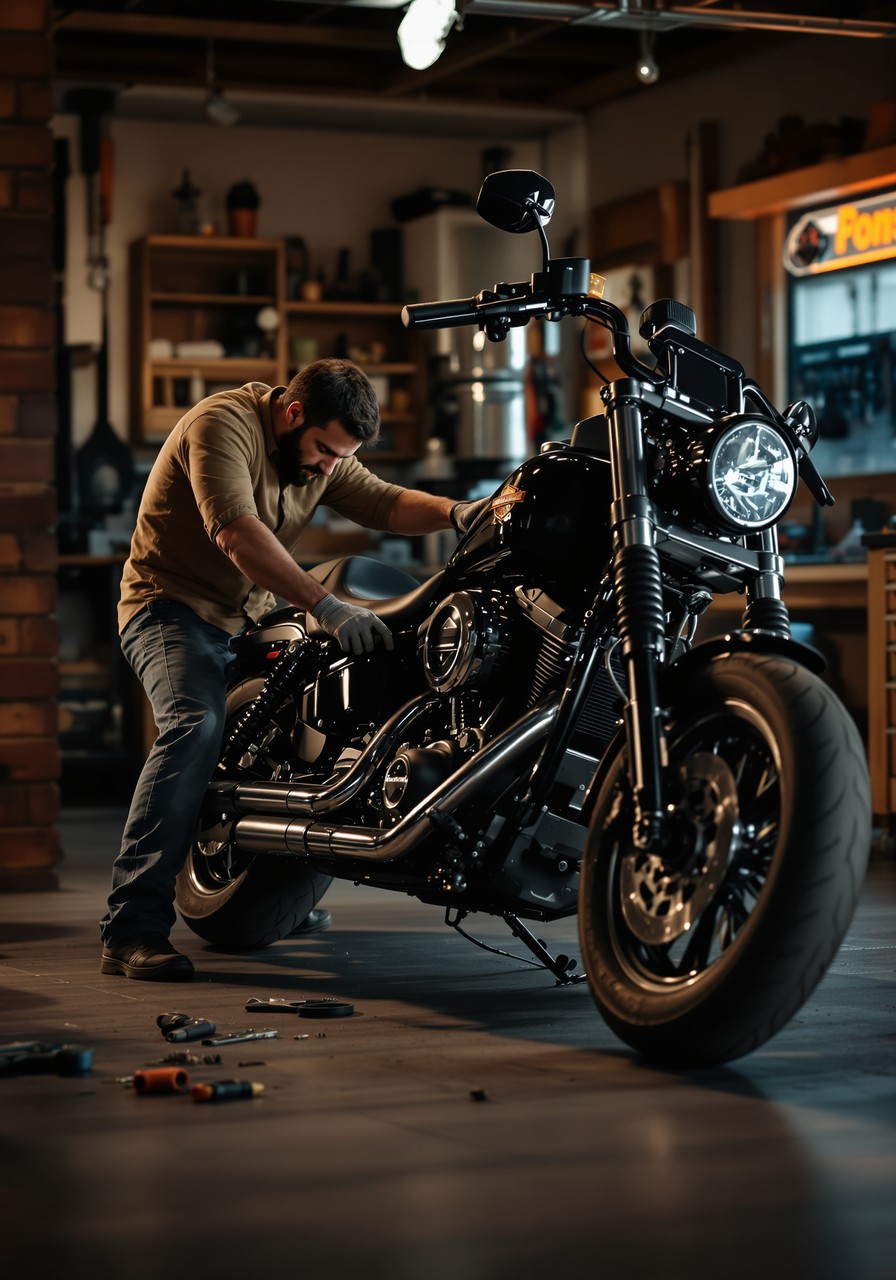
Brake fluid absorbs water over time and that lowers its boiling point when you need it most. Flush it on schedule and your lever stays firm. #RideNationOK #MotorcycleMaintenance #RiderTips
Safety & OK Law
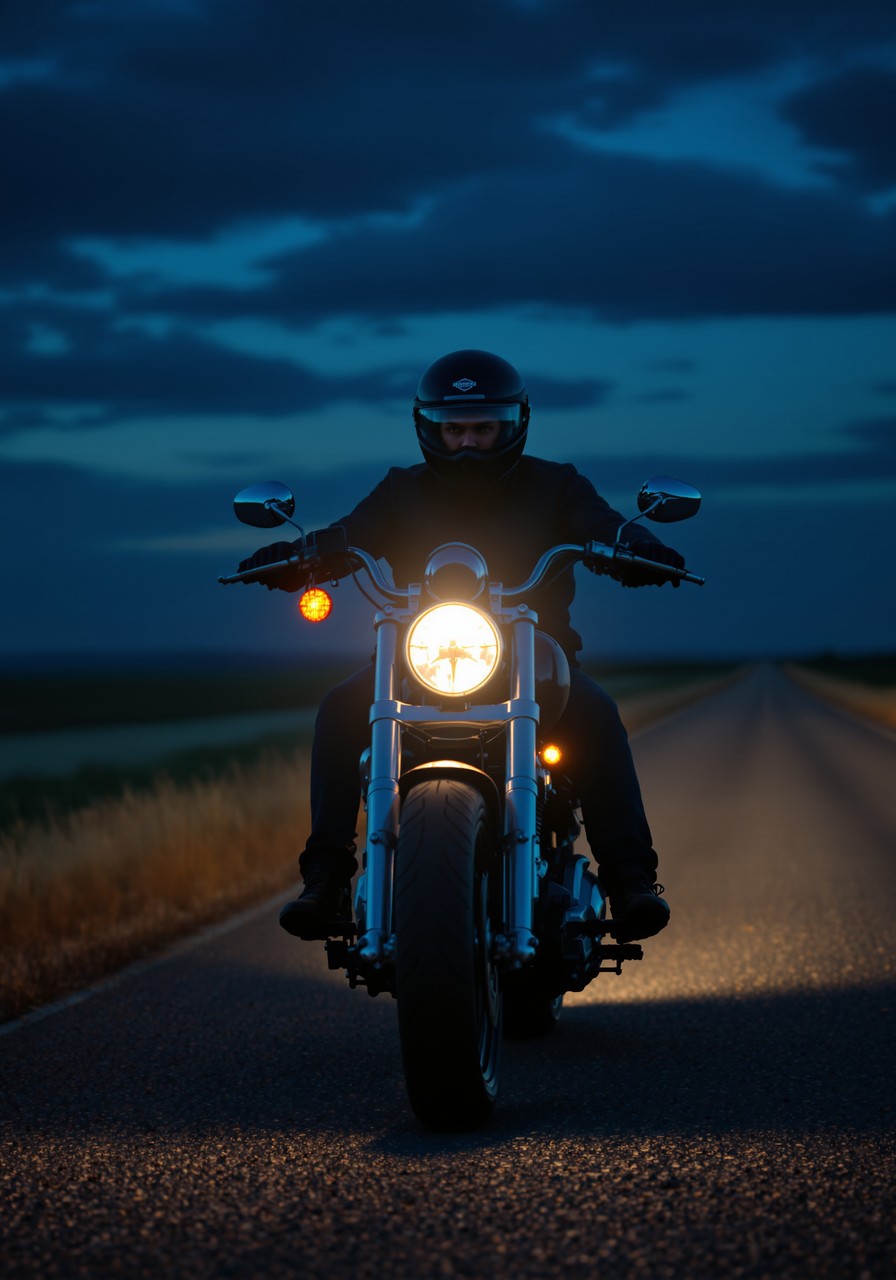
Because Oklahoma is a tort state with no PIP, there is no automatic pot of money after a wreck, you pursue the driver who caused it. Know how that works before you need to. Call (918) 387-8920. #RideNationOK #KnowYourRights #OklahomaRiders
Engagement
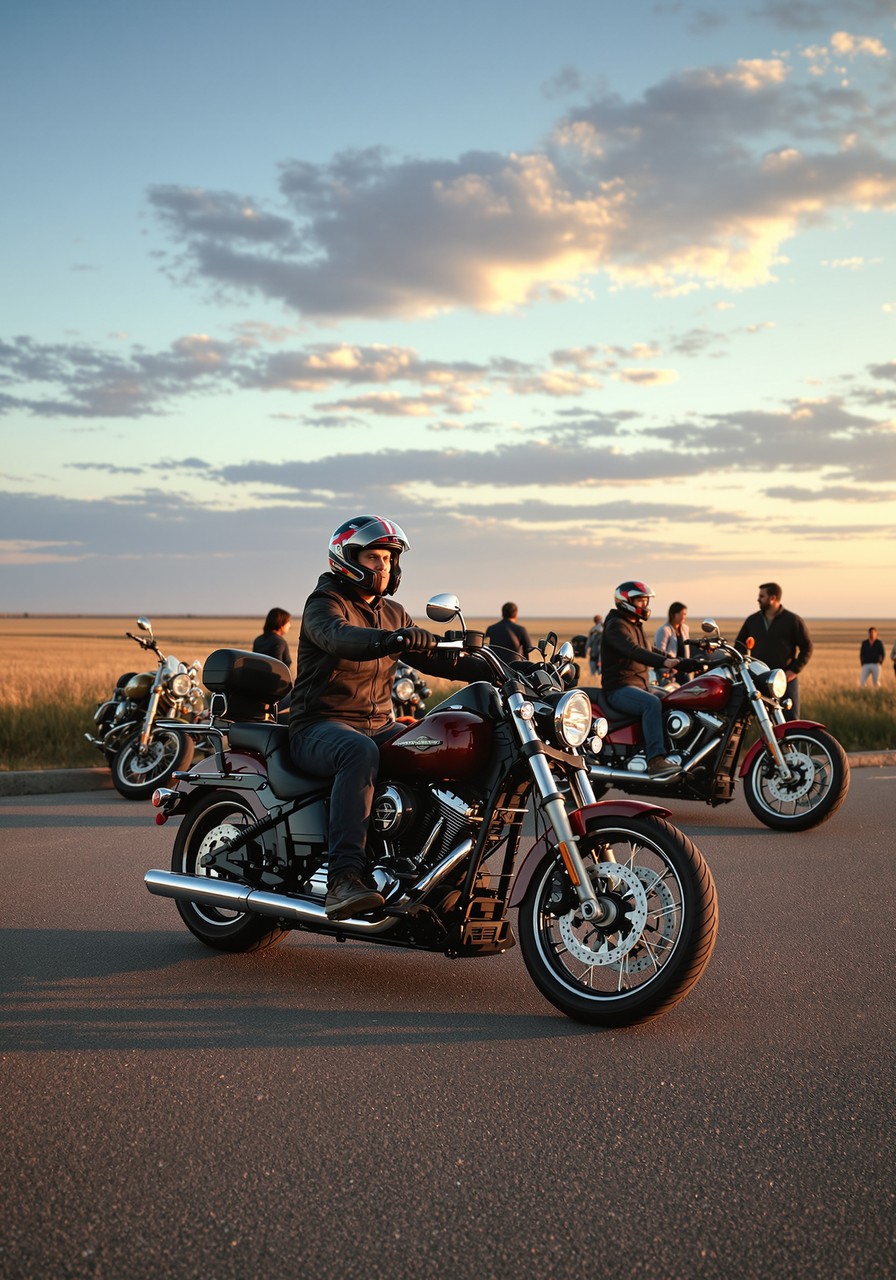
Poll: what is your hard no on wind speed before you park it for the day? Give us the number. #RideNationOK #OklahomaRiders #TwoWheels
Giveaway & Countdown
Here is the deal, Tulsa. Free to enter, no strings. A chat with Edwards & Patterson about your wreck puts you in. Call (918) 387-8920. #RideNationOK #BikersWin #20kGiveaway
Local OK & Rides
February is the month you start mapping the spring list. Talimena Byway, Grand Lake, Route 66 east. Get it down on paper. #RideNationOK #TalimenaByway #GrandLake
Gear & New Iron
Chain care is five minutes that saves a driveline. Clean it, lube it, and check the slack. A dry chain wears sprockets fast and snaps when you least expect it. #RideNationOK #MotorcycleMaintenance #RiderTips
Safety & OK Law
Oklahoma is an at-fault state, which means no PIP and no no-fault safety net. Your path to being made whole runs through the driver who hit you. Learn your rights with a free case review. #RideNationOK #KnowYourRights #OklahomaRiders
Engagement
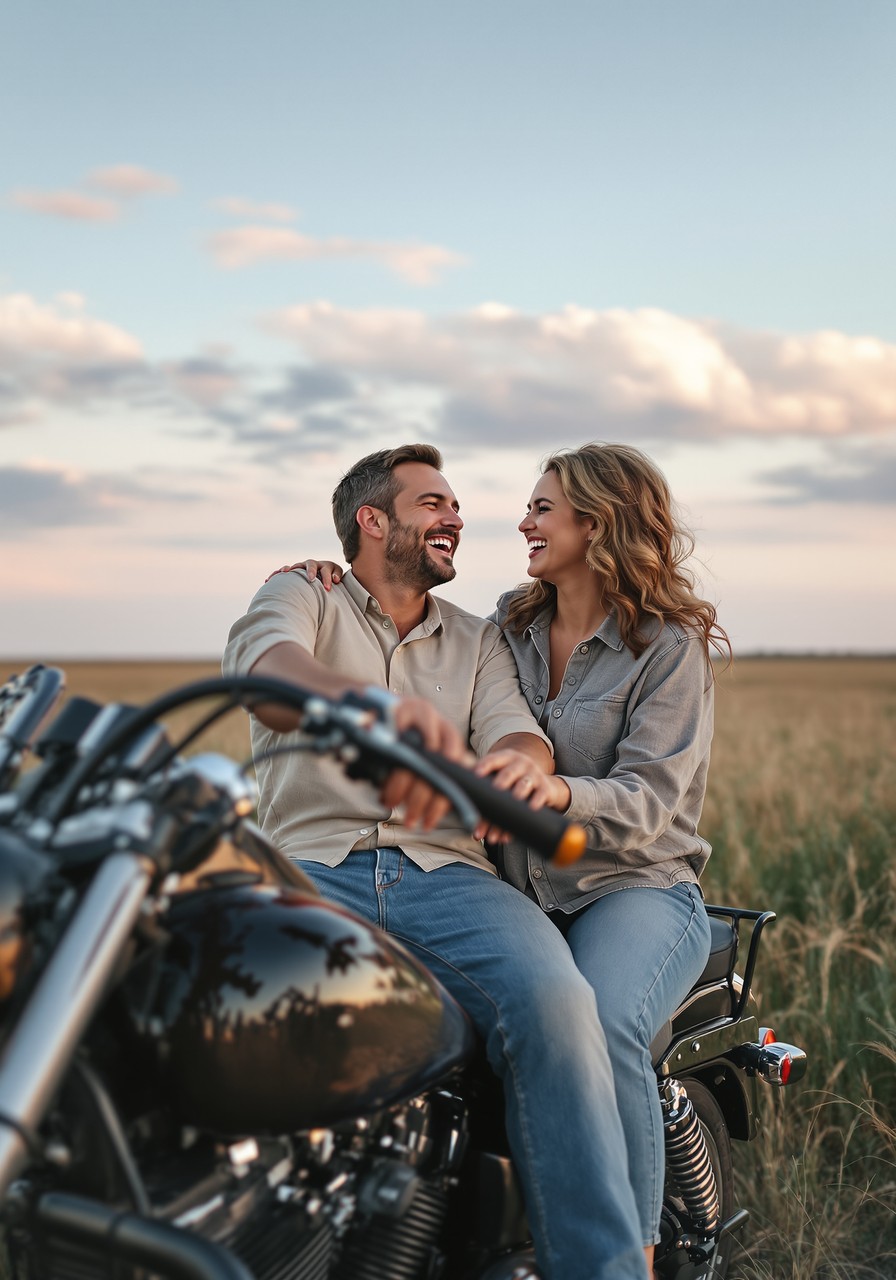
Route 66 west toward the state line or east into the hills. Pick your direction and go. #RideNationOK #Route66 #OsageHills
Giveaway & Countdown
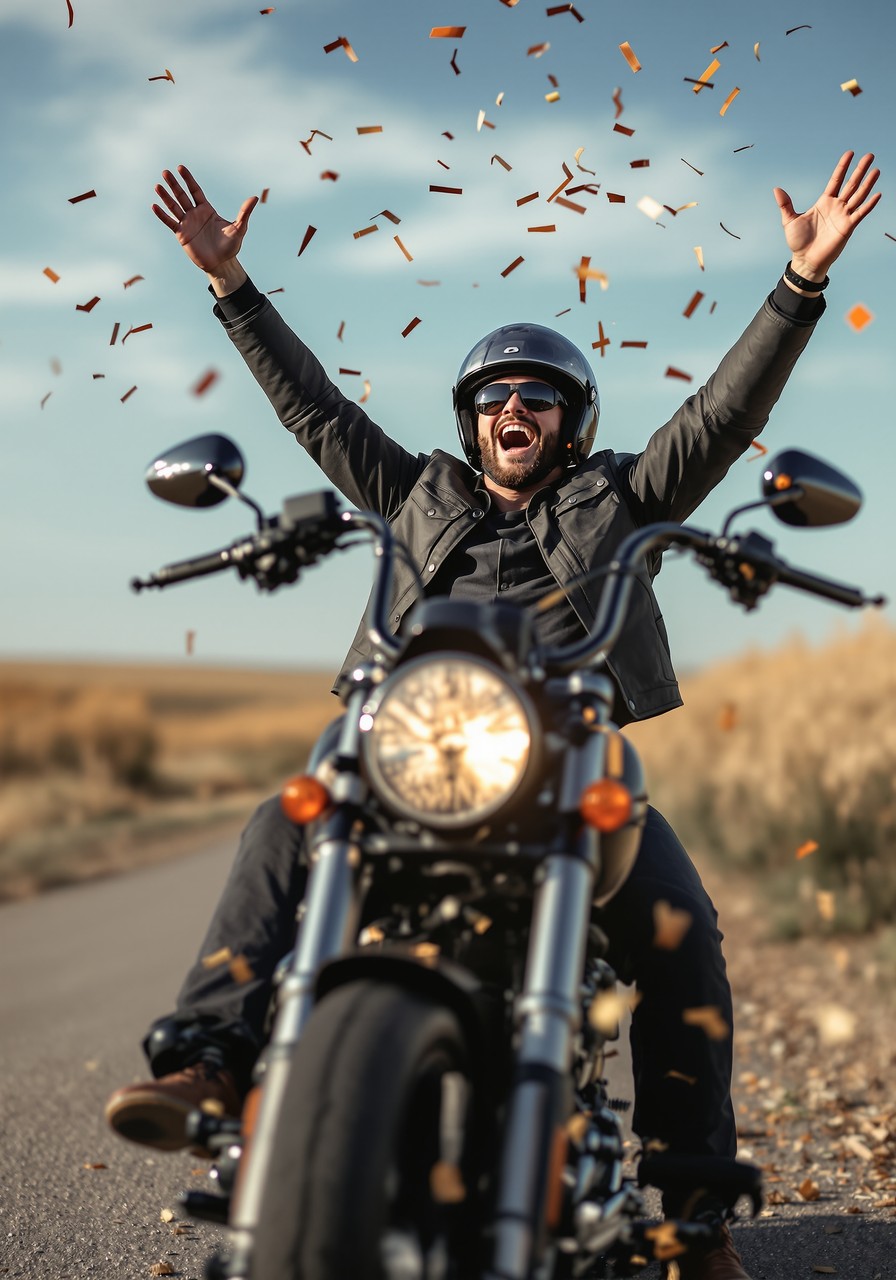
Do not let this one pass you by. The $20,000 BikersWin giveaway is live right now. #RideNationOK #MotorcycleGiveaway #OklahomaRiders
Local OK & Rides
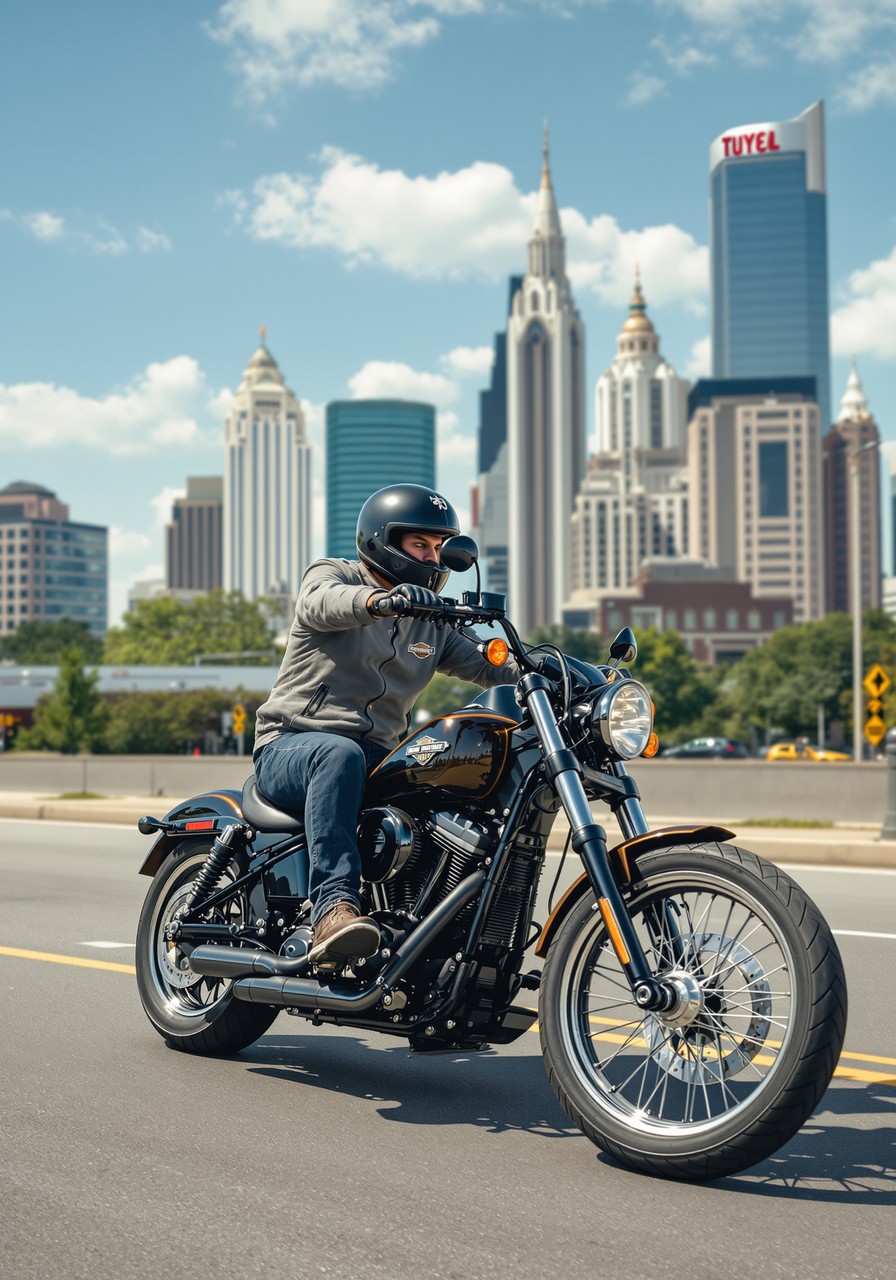
Oklahoma winter swings twenty degrees in an afternoon. That warm morning can turn on you fast, so watch the sky and the clock. #RideNationOK #OklahomaRiders
Gear & New Iron
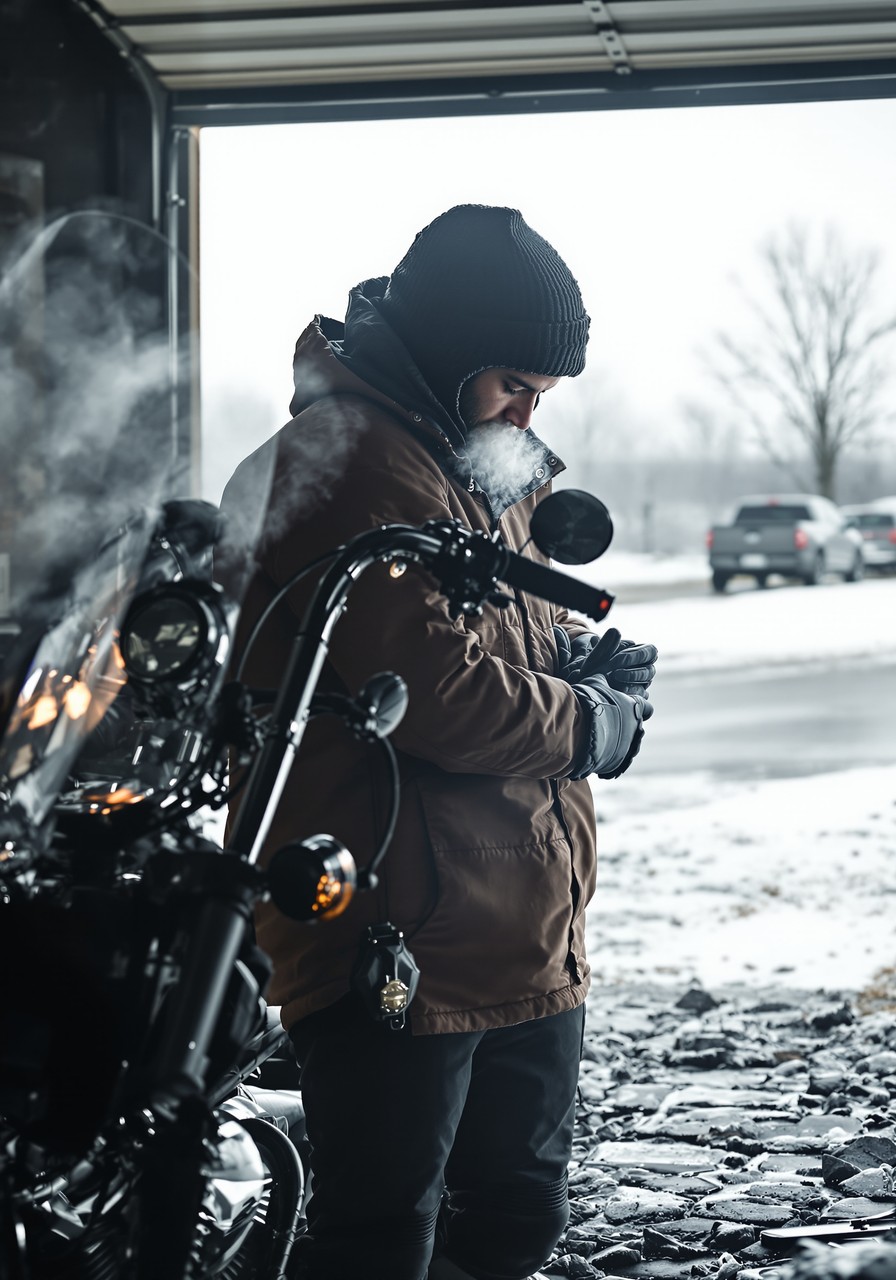
Set your chain slack to spec, not by feel. Too tight strains the countershaft, too loose slaps around. The manual number is the right number. #RideNationOK #MotorcycleMaintenance #BikerLife
Safety & OK Law
With one of the nation's highest uninsured driver rates, plenty of Oklahoma riders get hit by someone with no coverage. UM is what stands between you and the bill. Pull your dec page tonight. #RideNationOK #MotorcycleSafety #RiderRights
Engagement
Name the first road trip you are taking the second the ice clears. We are taking notes. #RideNationOK #GrandLake #TwoWheels
Giveaway & Countdown
Got questions about entering? We have answers, and the call is free. Ring us at (918) 387-8920. #RideNationOK #BikersWin #GreenCountry
Local OK & Rides
Cold snap tonight means black ice on every overpass by dawn. If you must roll early, treat every bridge deck like glass. #RideNationOK #TulsaRiders
Gear & New Iron
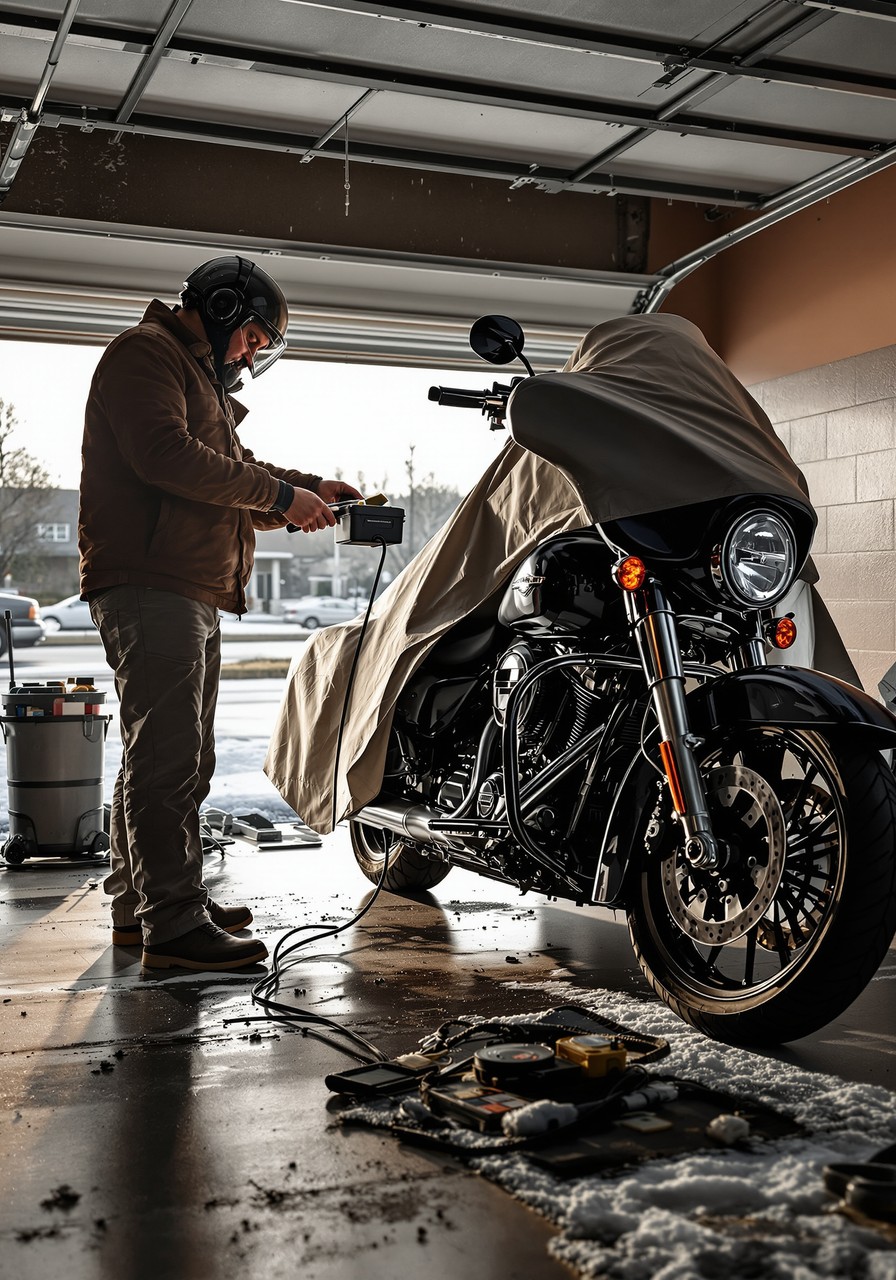
Oklahoma hail season is brutal on bare metal. If your bike lives outside, a hard cover or a garage spot beats dented tanks and cracked mirrors every time. #RideNationOK #MotorcycleMaintenance #RiderTips
Safety & OK Law
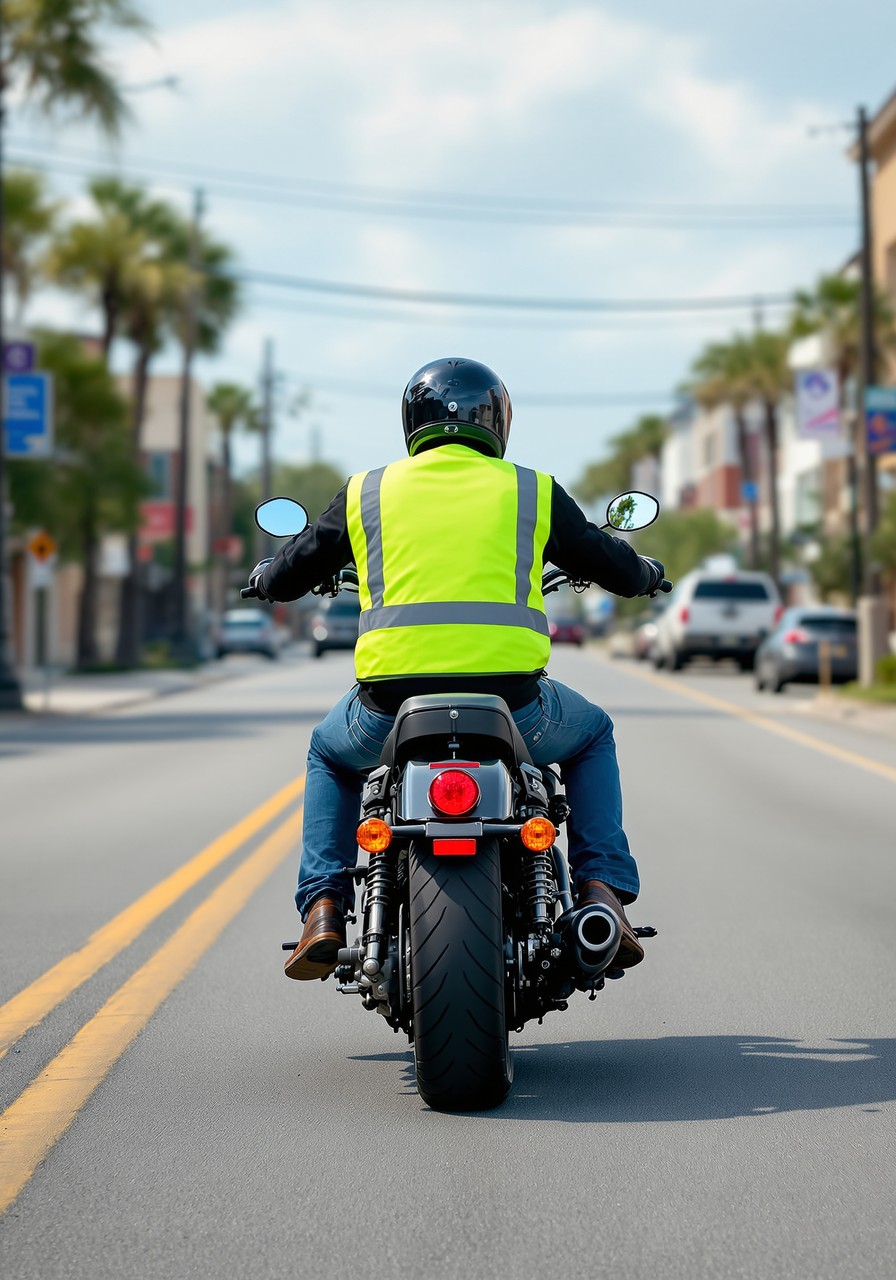
Riders 18 and up can legally ride bareheaded in Oklahoma, but a lid is still the smartest gear you own. Wear it because it protects you, not because the law forces it. #RideNationOK #ATGATT #MotorcycleSafety
Engagement
Two-wheel truth: what is the one thing you learned the hard way your first winter riding? #RideNationOK #TulsaRiders #OklahomaRiders
Giveaway & Countdown
Big countdown, bigger community. Tag two riders who should be in on the $20,000 giveaway. #RideNationOK #20kGiveaway #TulsaRiders
Local OK & Rides
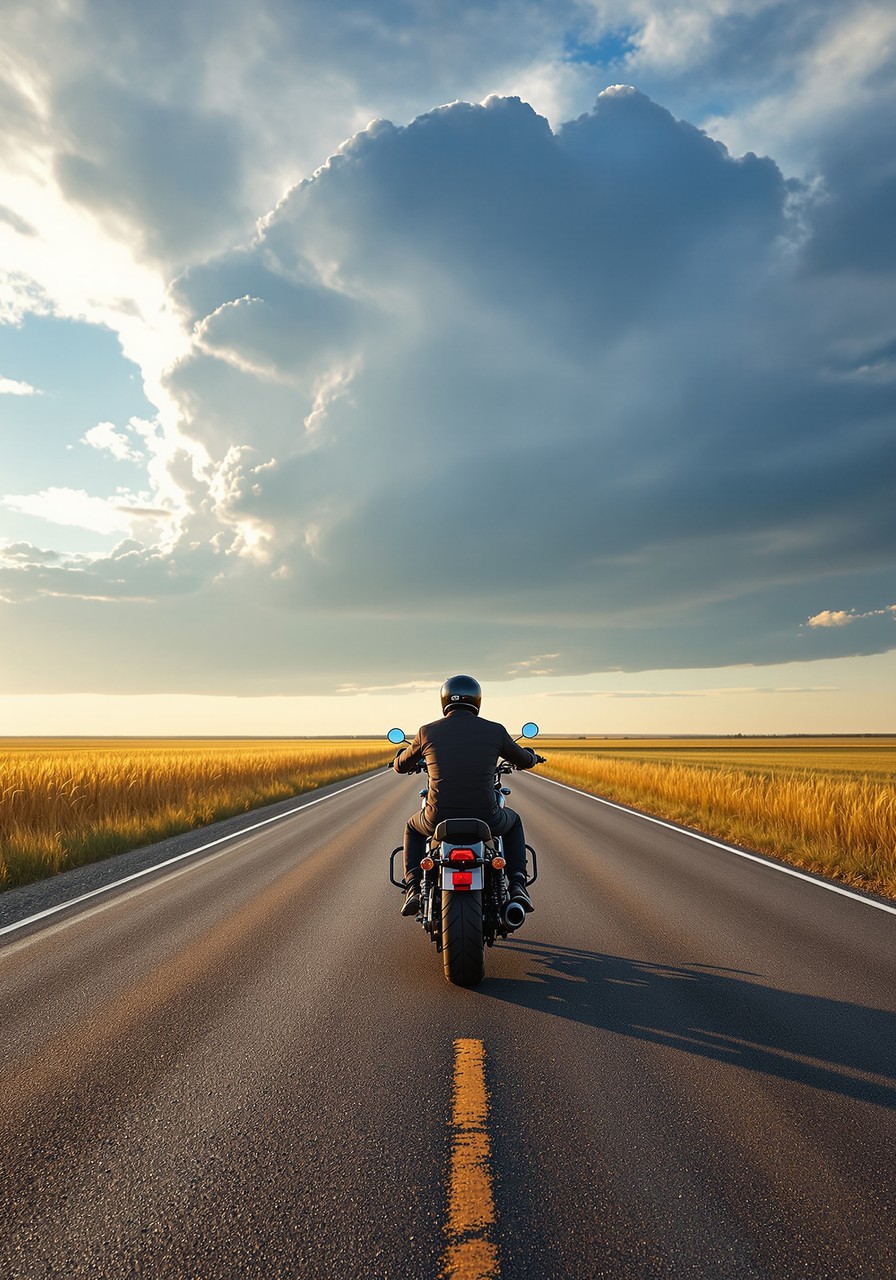
High wind advisory on the prairie today. If you head out toward Pawhuska, expect the gusts to hit like a wall in the open. #RideNationOK #OsageHills #OklahomaRiders
Gear & New Iron
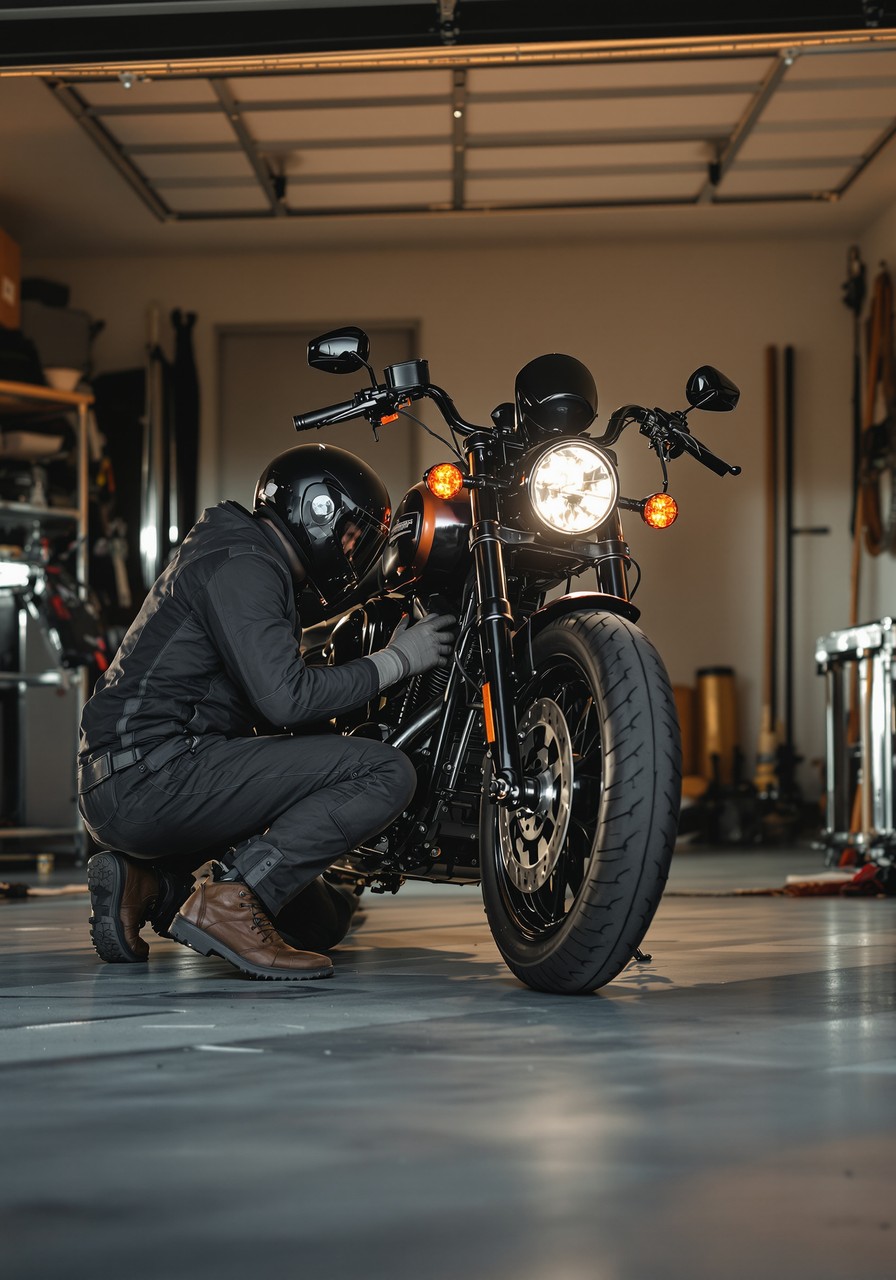
Ice storms coat everything. Get the bike under cover before the freeze so you are not chipping ice off your seat and controls in the spring. #RideNationOK #ColdWeatherRiding #MotorcycleMaintenance
Safety & OK Law
Oklahoma's 51 percent bar means being found more than half at fault erases your claim entirely. That is exactly why you document the scene. A free case review can walk you through it. #RideNationOK #RiderRights #KnowYourRights
Engagement
This or that: full tank of gas or full charge on the playlist before a long haul. Which matters more? #RideNationOK #TwoWheels #GreenCountry
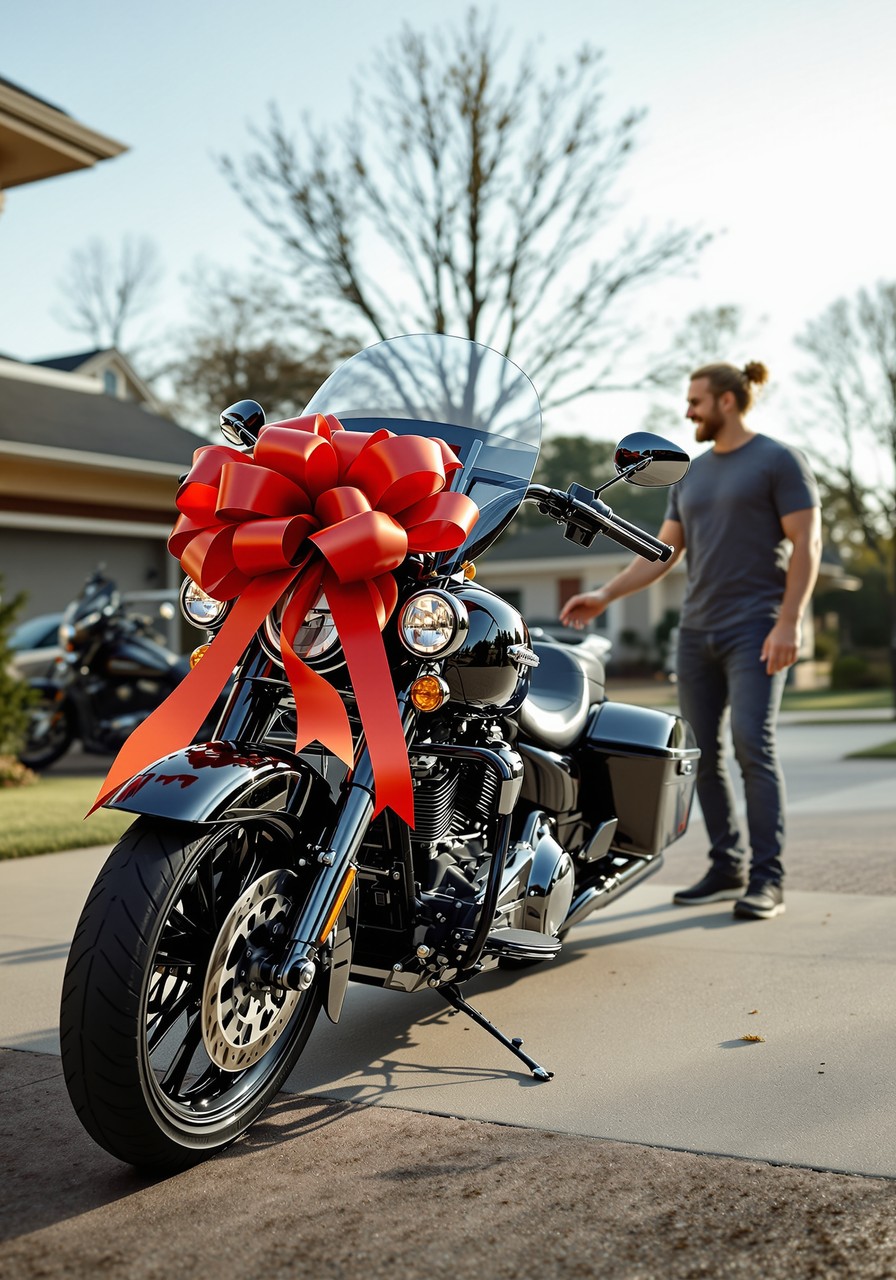
Giveaway & Countdown
If a crash left you hurting, talk to us. It is free, and it enters you in the BikersWin drawing. (918) 387-8920. #RideNationOK #BikersWin #MotorcycleGiveaway
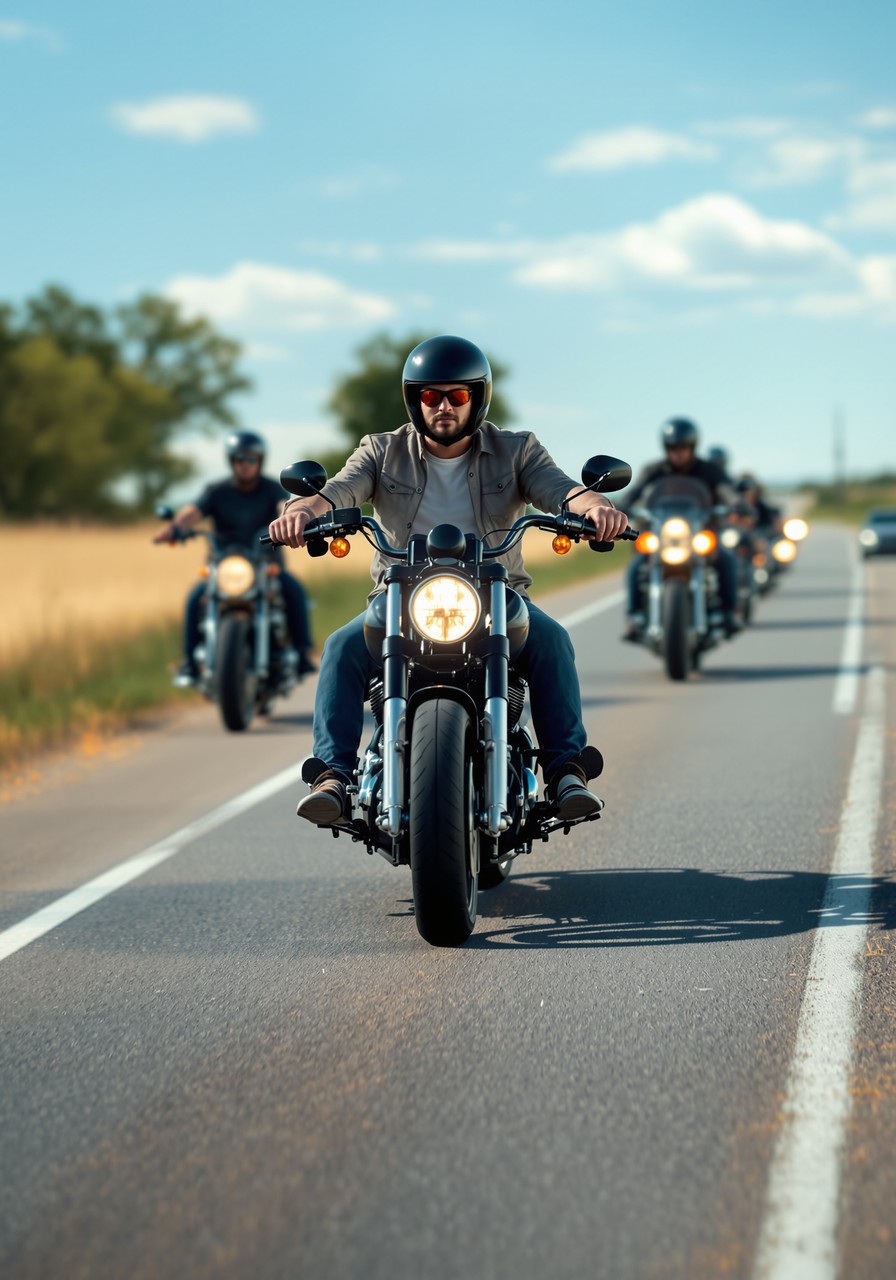
Local OK & Rides
Spring storms in Green Country build up quick and drop hail before you can find cover. Watch the western sky and have an exit. #RideNationOK #OklahomaRiders
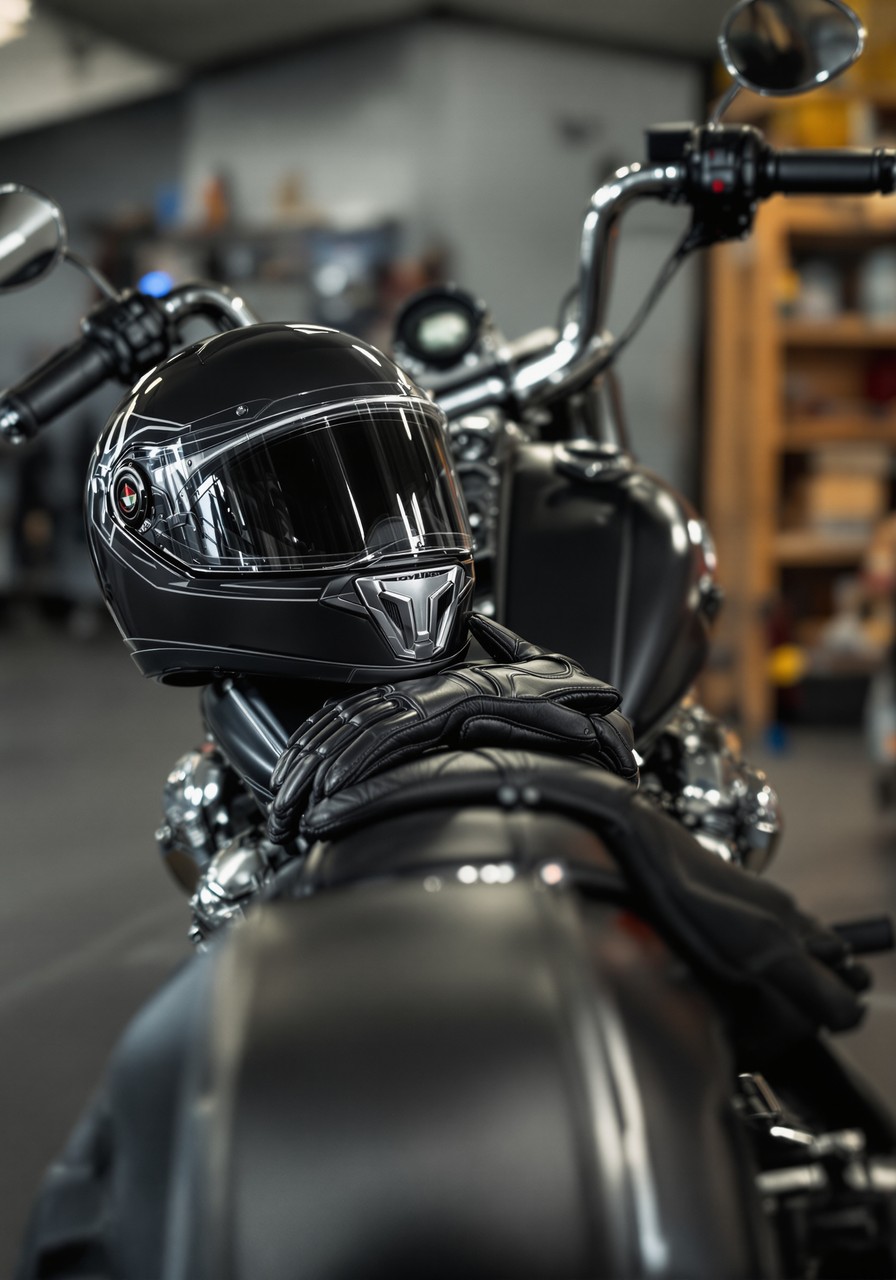
Gear & New Iron
Road grime is not just ugly. Salt and winter muck eat at fasteners and finish. A rinse after a cold, wet ride keeps the corrosion off. #RideNationOK #MotorcycleMaintenance #RiderTips
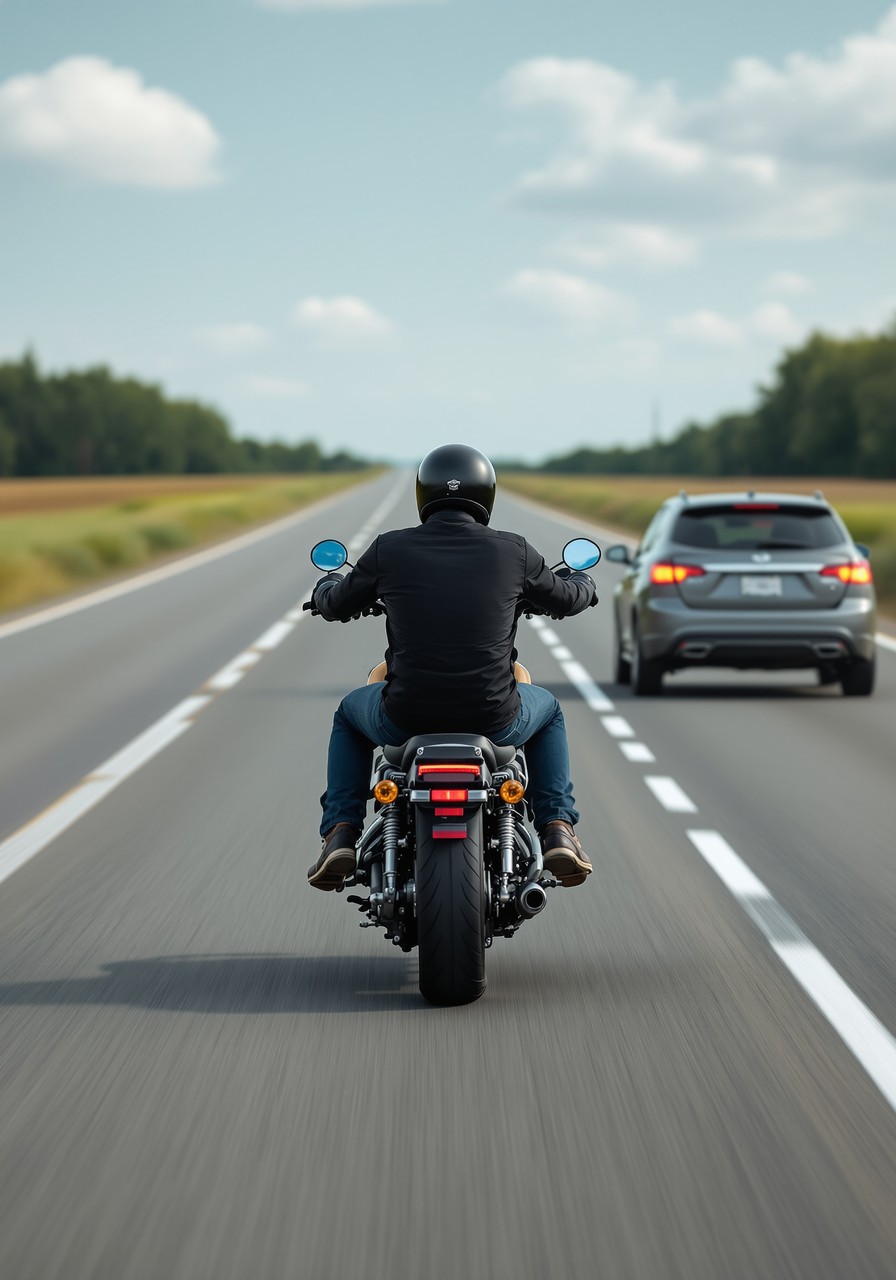
Safety & OK Law
The state minimum here is only 25/50/25, which barely dents the cost of a real motorcycle injury. Carry solid UIM and know your options. Free case review anytime. #RideNationOK #OklahomaRiders #RiderRights
Engagement
Tag your favorite riding partner and tell them thanks for putting up with your pace. #RideNationOK #RideOrDie #TulsaRiders
Giveaway & Countdown
The vibe in Ride Nation right now? Pure countdown energy. Twenty grand and climbing hype. #RideNationOK #GreenCountry #OklahomaRiders
Local OK & Rides
Deer are moving at dusk on the rural two-lanes out toward Grand Lake. Slow it down in that last hour of light. #RideNationOK #GrandLake #GreenCountry
Gear & New Iron
Fuel stabilizer before storage keeps the gas from turning to varnish and gumming up your carbs or injectors. Add it, run the bike a few minutes, then park it. #RideNationOK #MotorcycleMaintenance #GearUp
Safety & OK Law
You get two years to file a personal injury claim in Oklahoma, and evidence fades long before that. Get answers early with a free case review. #RideNationOK #KnowYourRights #TulsaRiders
Engagement
Fill in the blank: the best part of a Grand Lake loop is ______. #RideNationOK #GrandLake #OklahomaRiders
Giveaway & Countdown
Entering is simpler than you think. A free case review about your motorcycle crash is all it takes. Start at (918) 387-8920. #RideNationOK #BikersWin #TulsaRiders
Local OK & Rides
The backroads in the Osage are gorgeous and loaded with loose gravel in the corners. Read the road, not just the map. #RideNationOK #OsageHills #MotorcycleRoads
Gear & New Iron
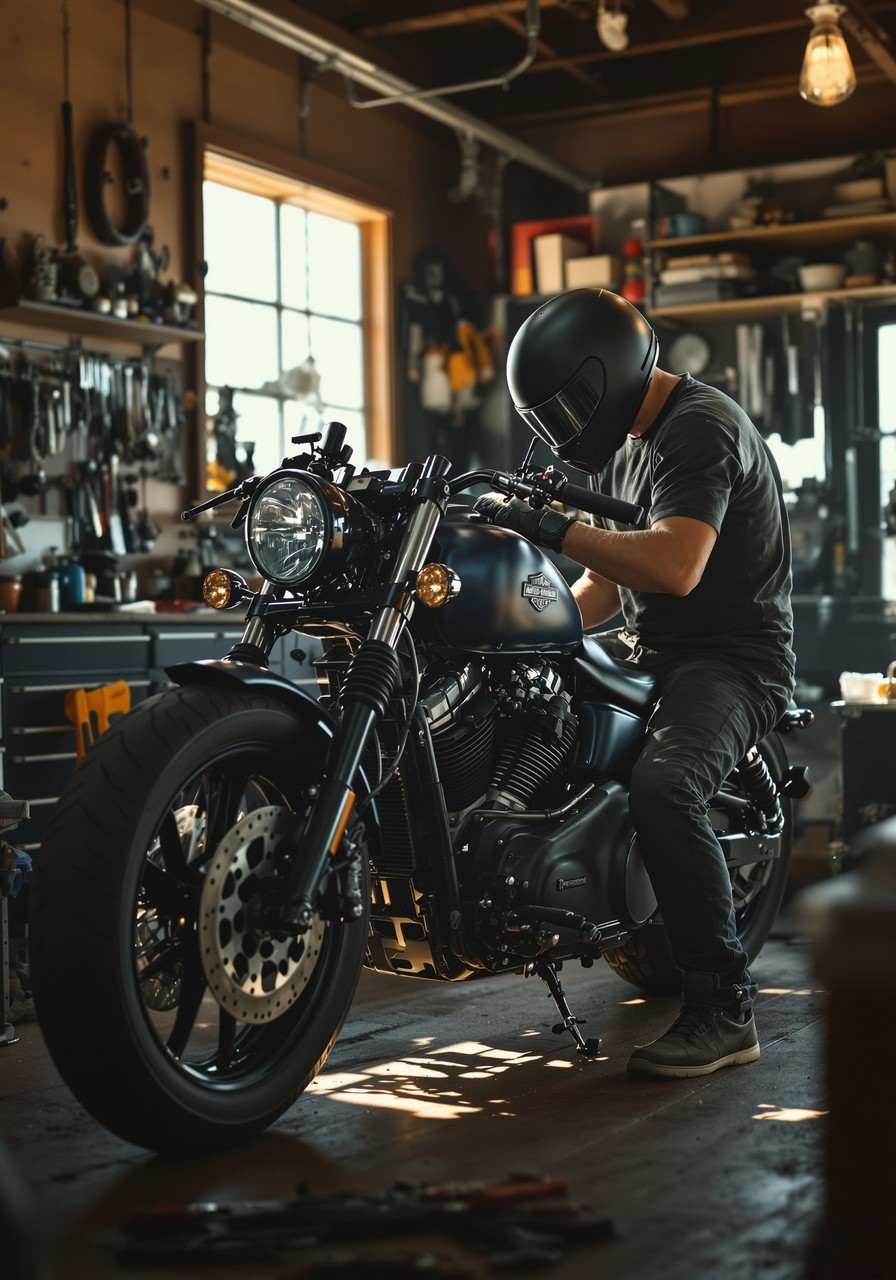
Foggy visor at a cold stoplight is a real hazard. An anti-fog insert or a coating clears your view so you are not riding half blind. #RideNationOK #ColdWeatherRiding #GearUp
Safety & OK Law
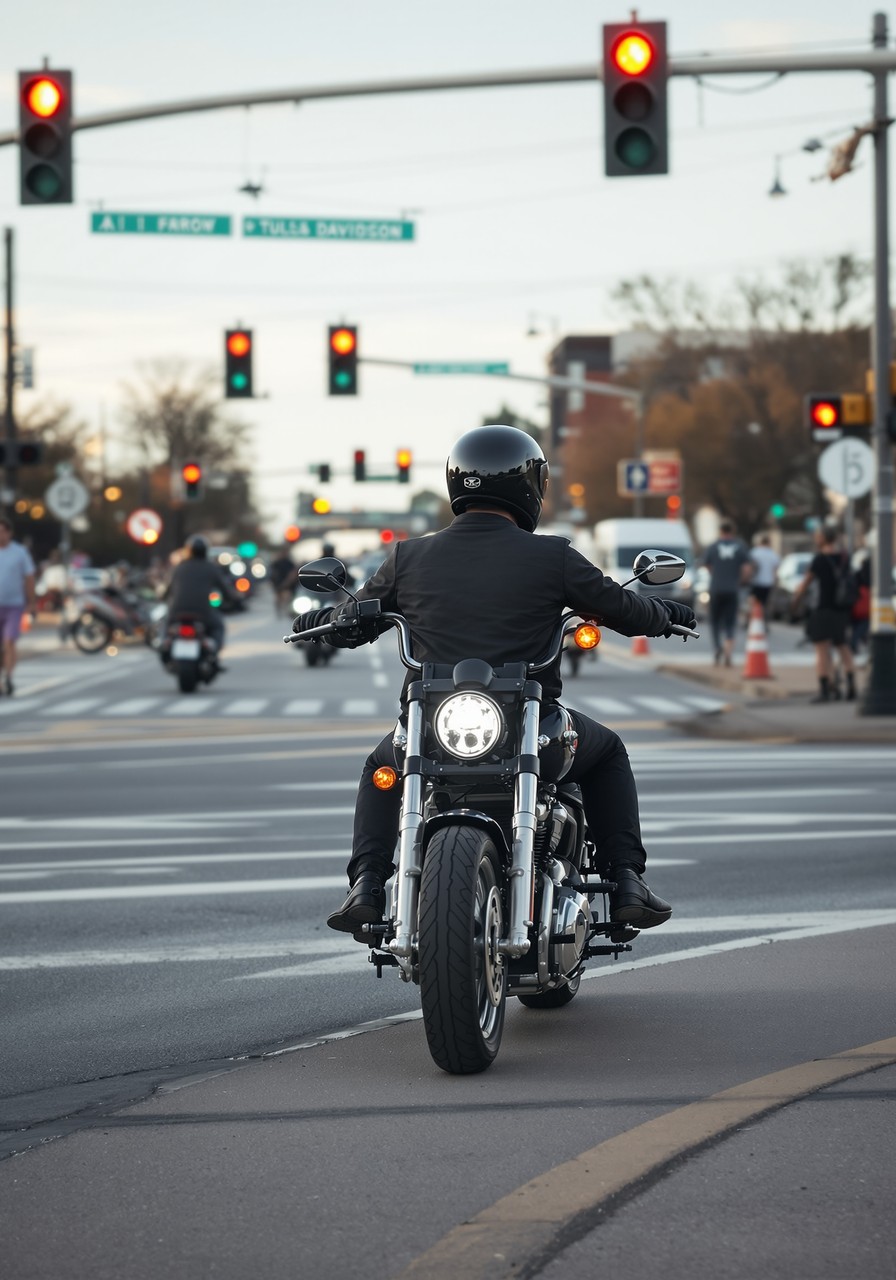
Left-turn crashes account for a huge share of rider injuries. Cover your brakes at every intersection and assume they will turn. See and be seen out there. #RideNationOK #MotorcycleSafety #ATGATT
Engagement
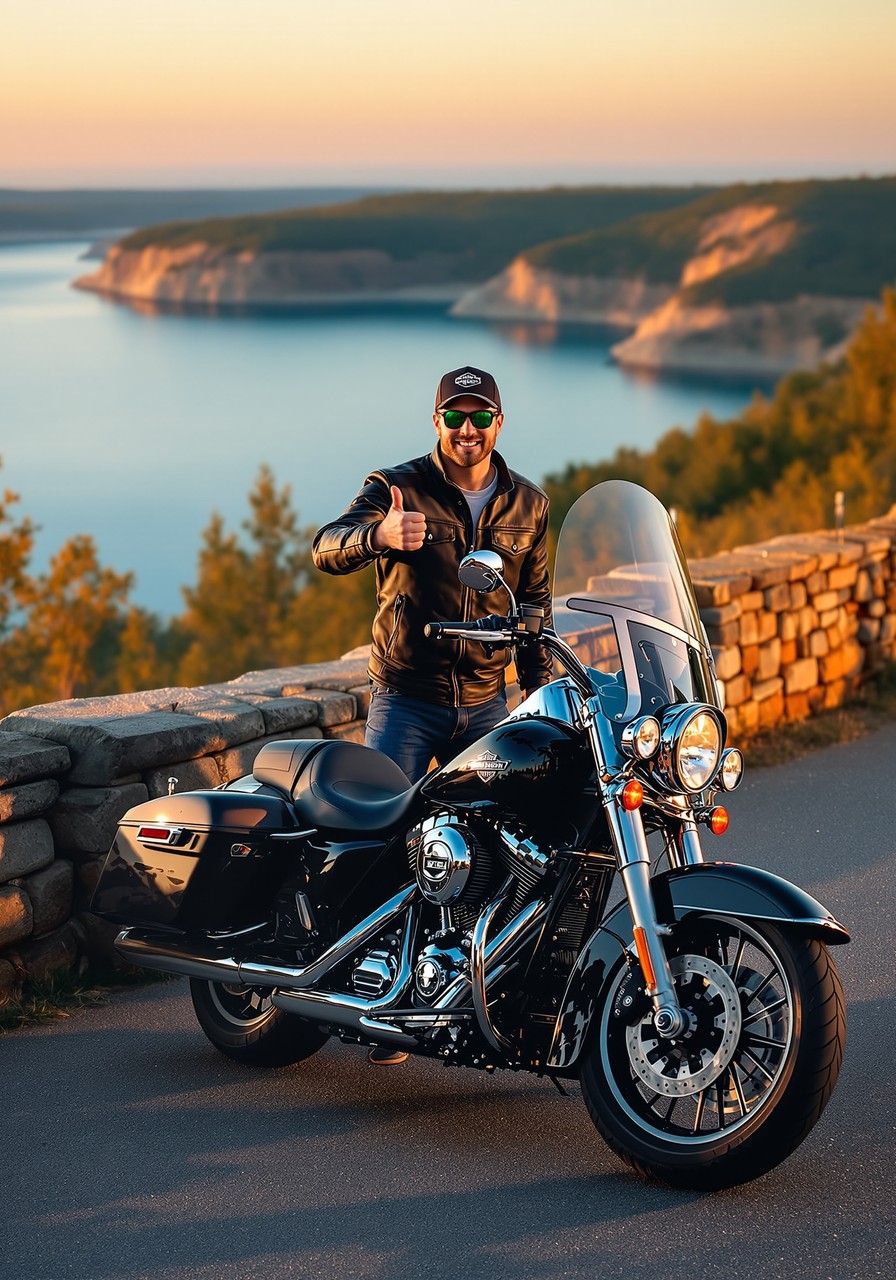
Caption this: the Talimena Byway curling up through the trees. What song is in your head right now? #RideNationOK #TwoWheels #GreenCountry
Giveaway & Countdown
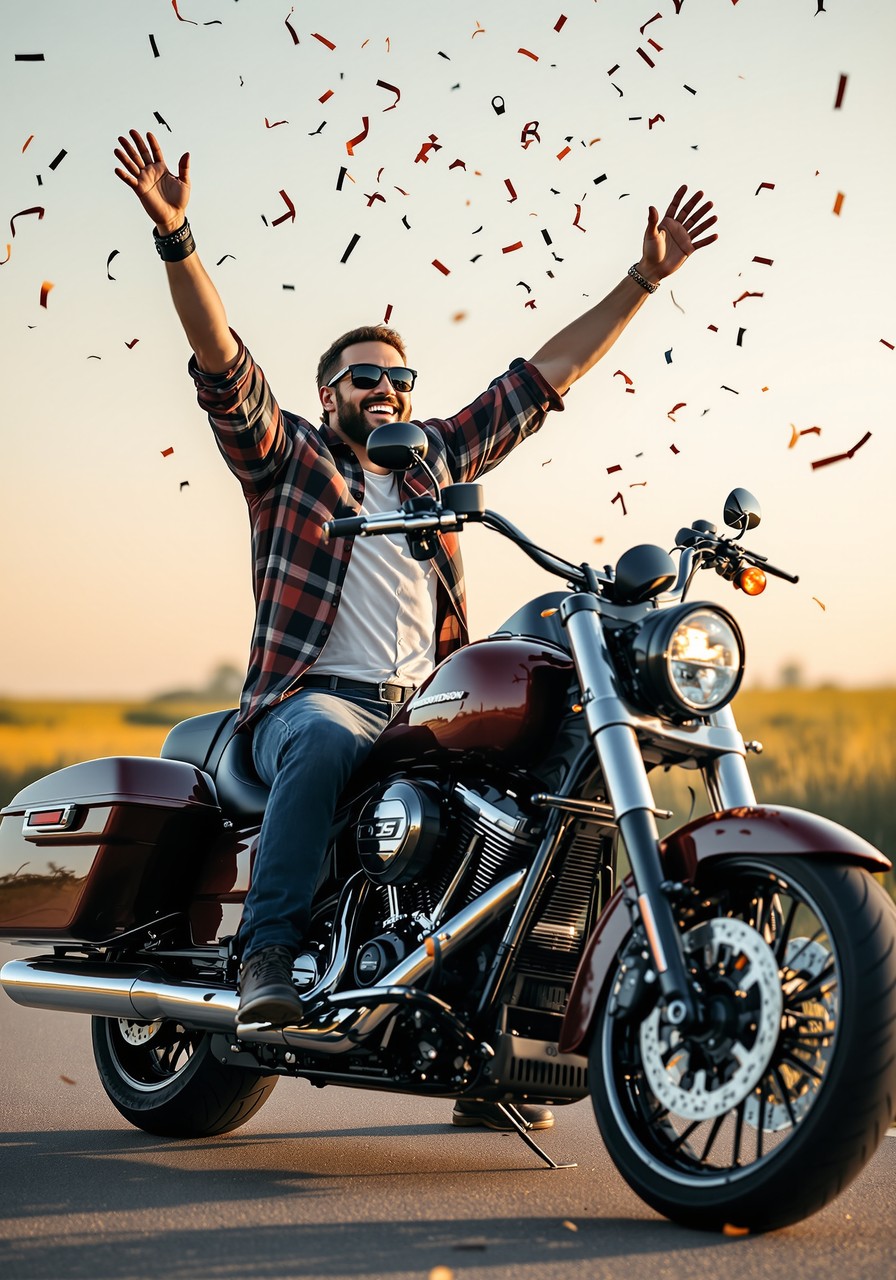
Milestone unlocked, Tulsa. More riders entered than ever, and there is still room for you. #RideNationOK #20kGiveaway #MotorcycleGiveaway
Local OK & Rides
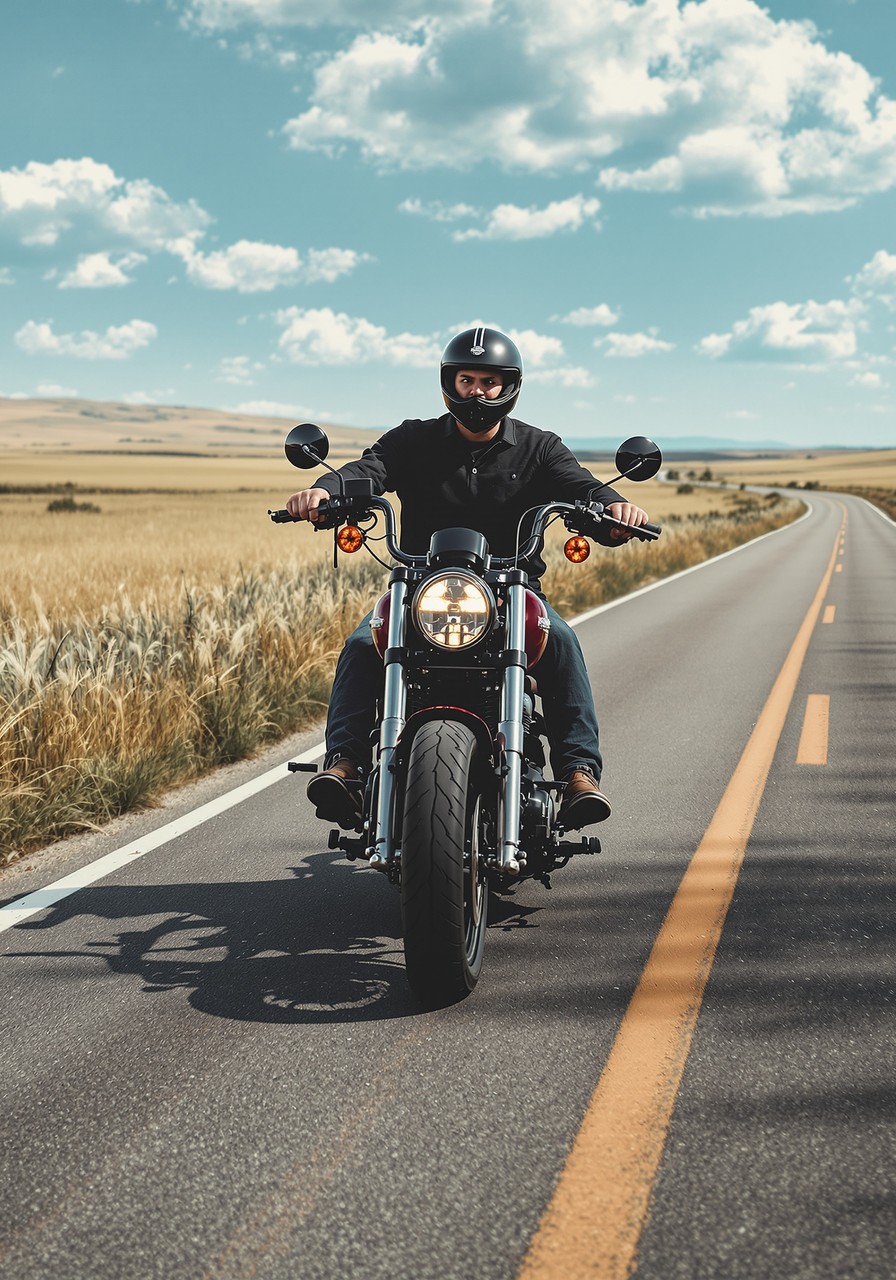
Red dirt tracks across the county two-lanes after a rain, and it gets slick as ice on the pavement. Ease off in the curves. #RideNationOK #OklahomaRiders
Gear & New Iron
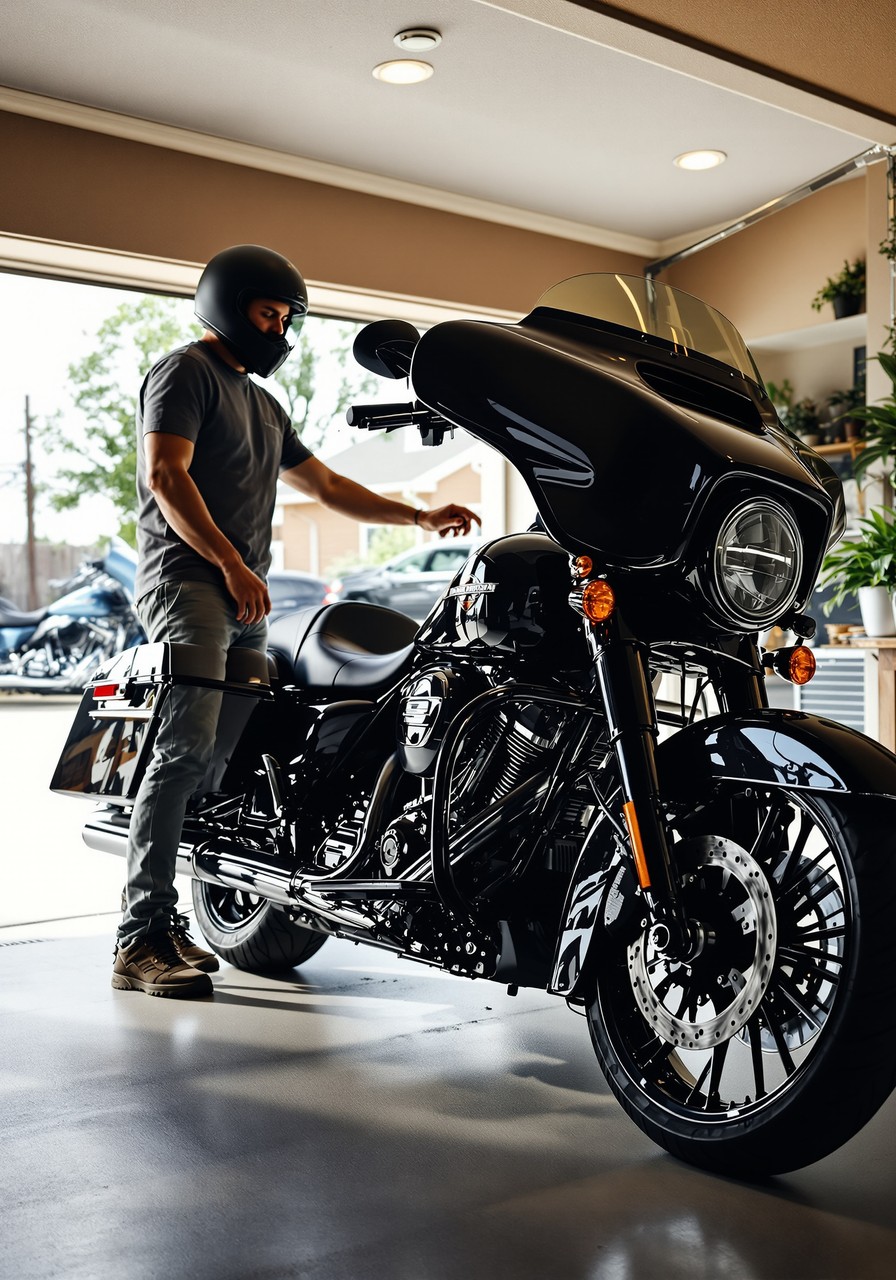
Windproof gloves change cold rides completely. Once the wind stops driving through the seams, your fingers stay warm and quick on the controls. #RideNationOK #ColdWeatherRiding #GearUp
Safety & OK Law
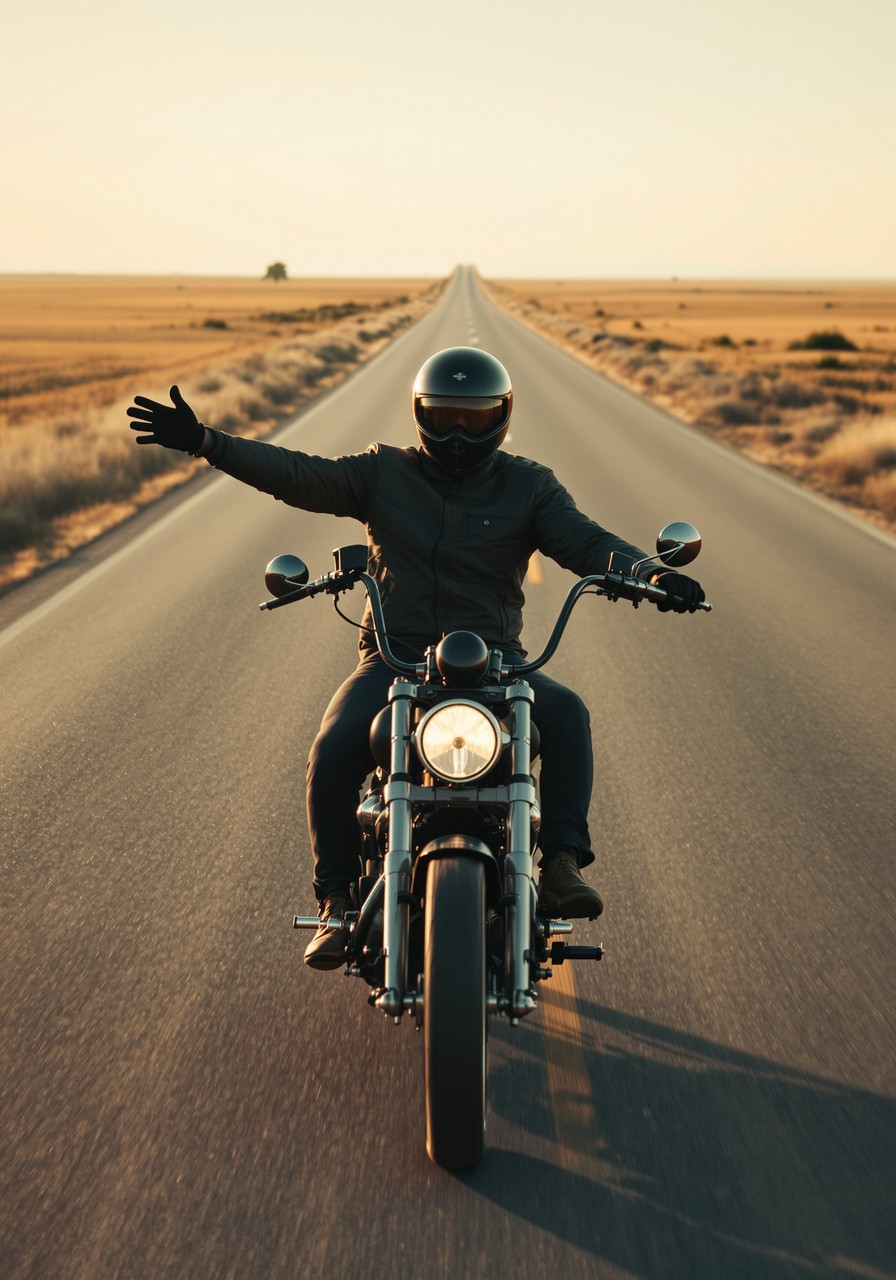
Loud pipes do not save lives, being visible does. Bright gear, a modulating headlight, and good lane position get you seen. Ride like they cannot see you. #RideNationOK #MotorcycleSafety #ATGATT
Engagement
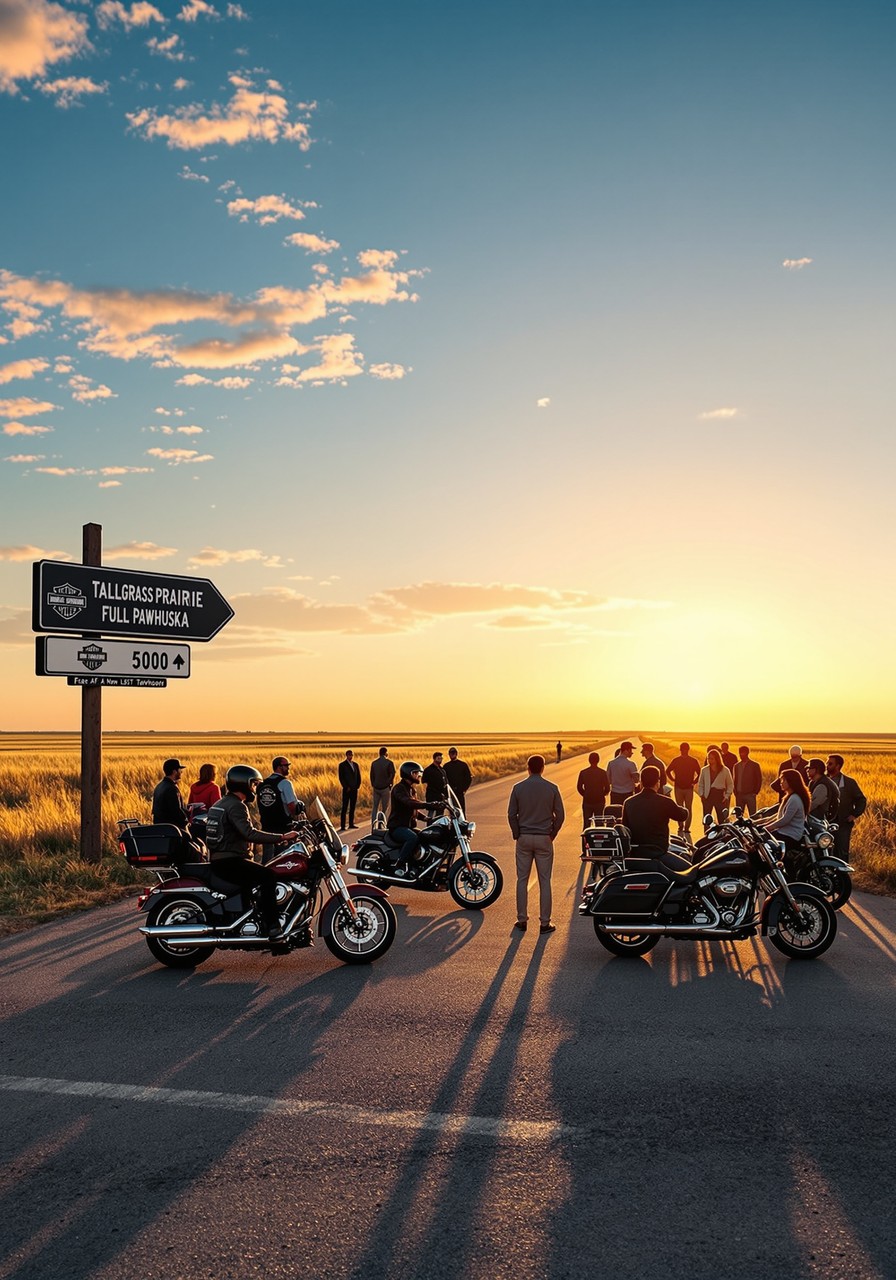
Poll: do you name your bike, or is that a bridge too far? Settle it below. #RideNationOK #TulsaRiders #TwoWheels
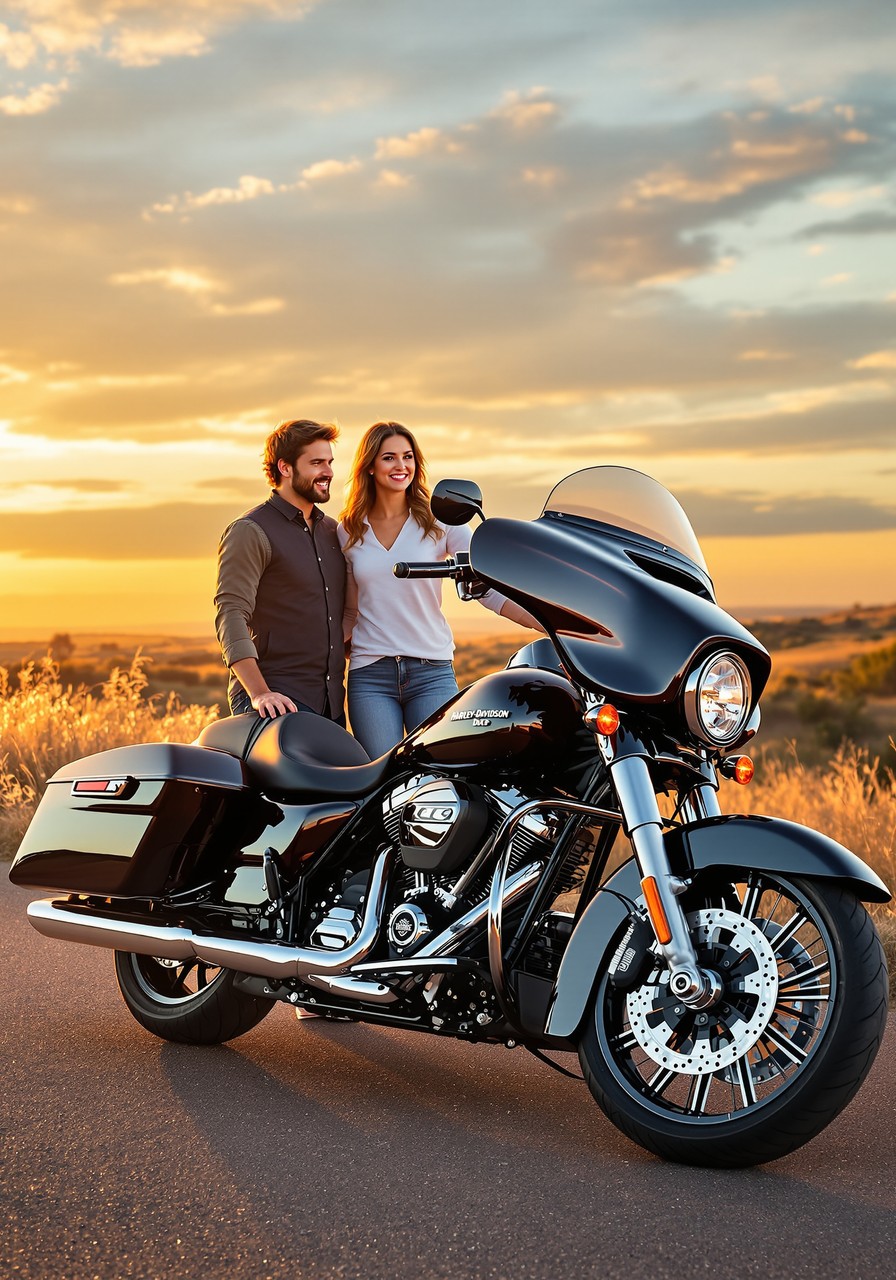
Giveaway & Countdown
Share this with your riding crew. The word-of-mouth is what makes the BikersWin giveaway hit different. #RideNationOK #TulsaRiders #GreenCountry
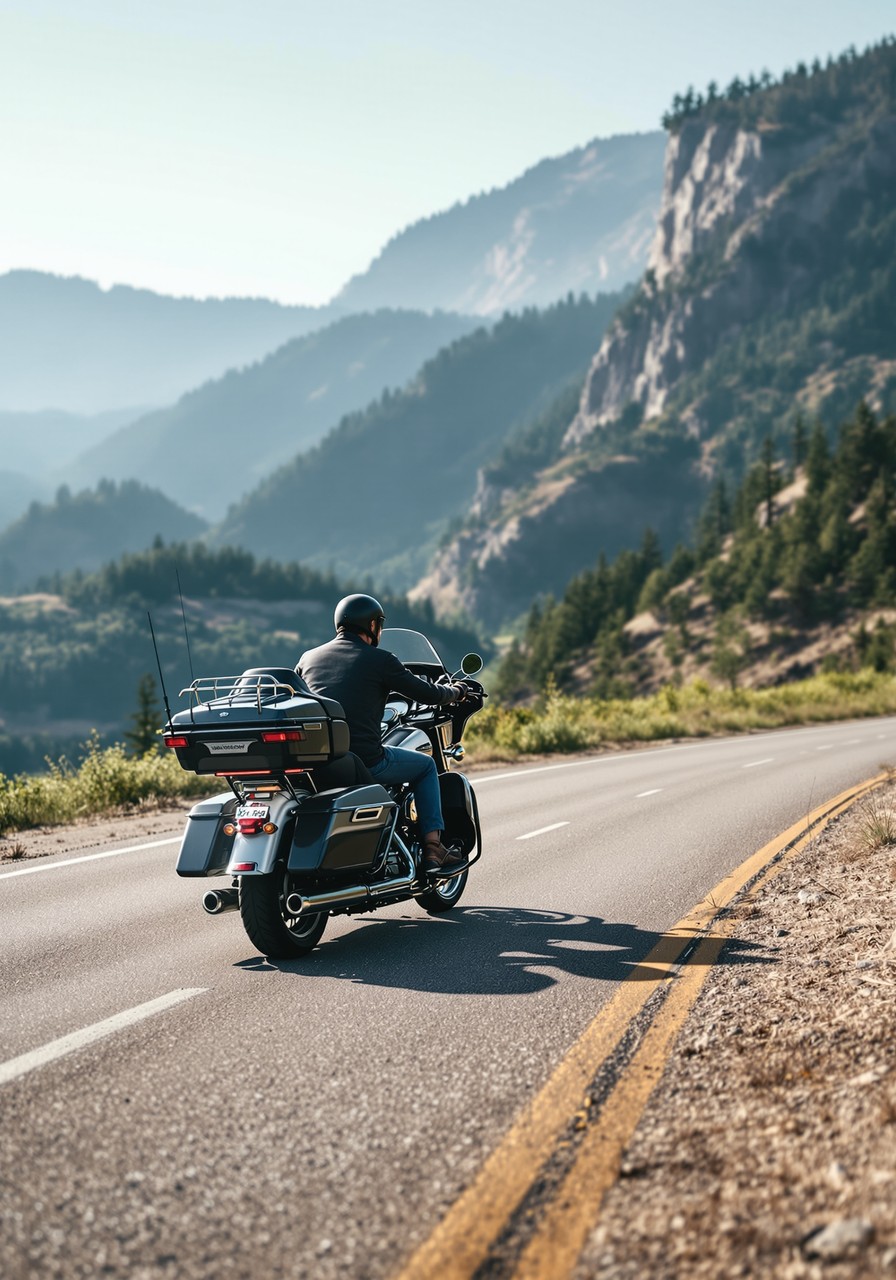
Local OK & Rides
First real warm Saturday of the year always brings the crowd out. Ride your own pace and leave the ego in the garage. #RideNationOK #TulsaRiders
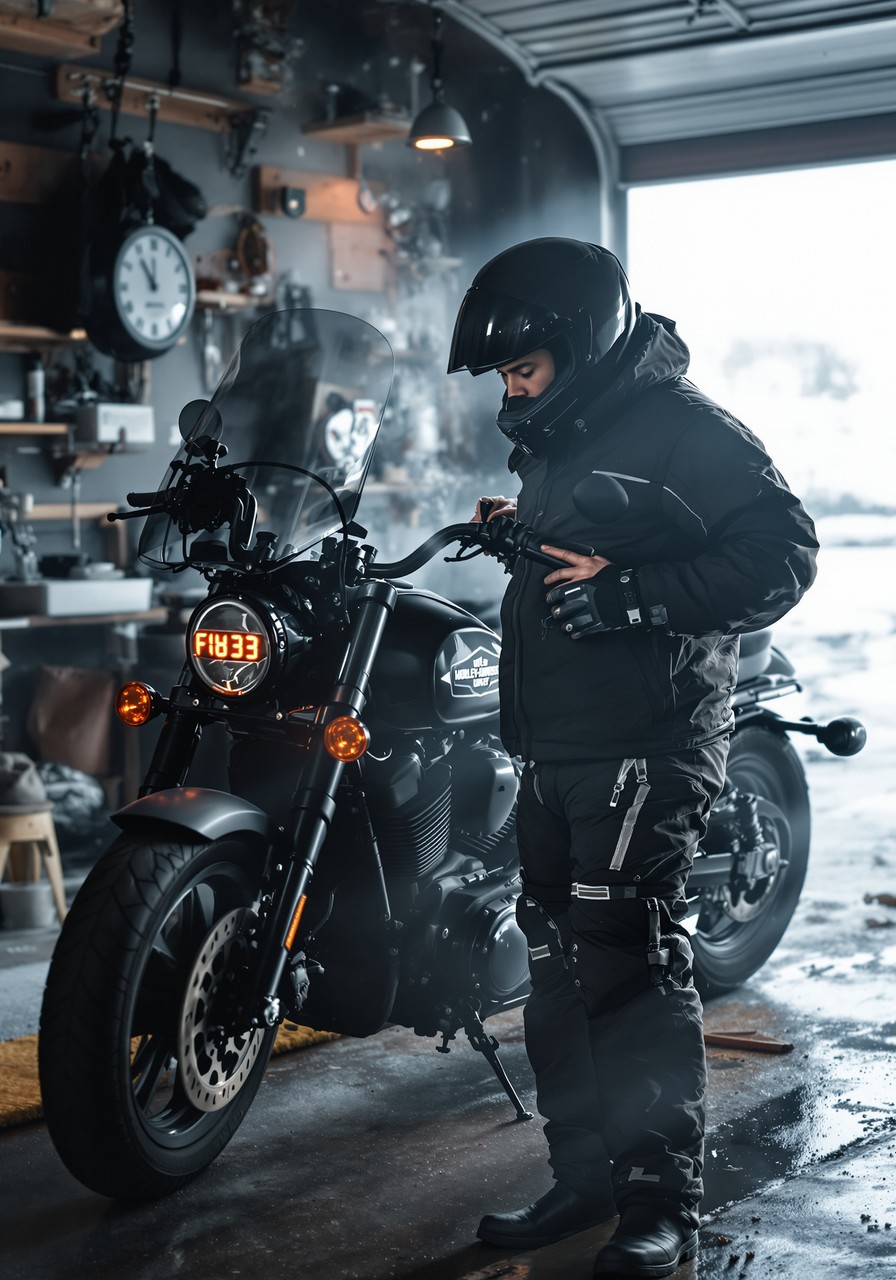
Gear & New Iron
New iron season is here and the 2026 middleweights are packing real tech. Ride your own pace on it, because more power rewards smooth hands, not brave ones. #RideNationOK #NewIron #BikerLife
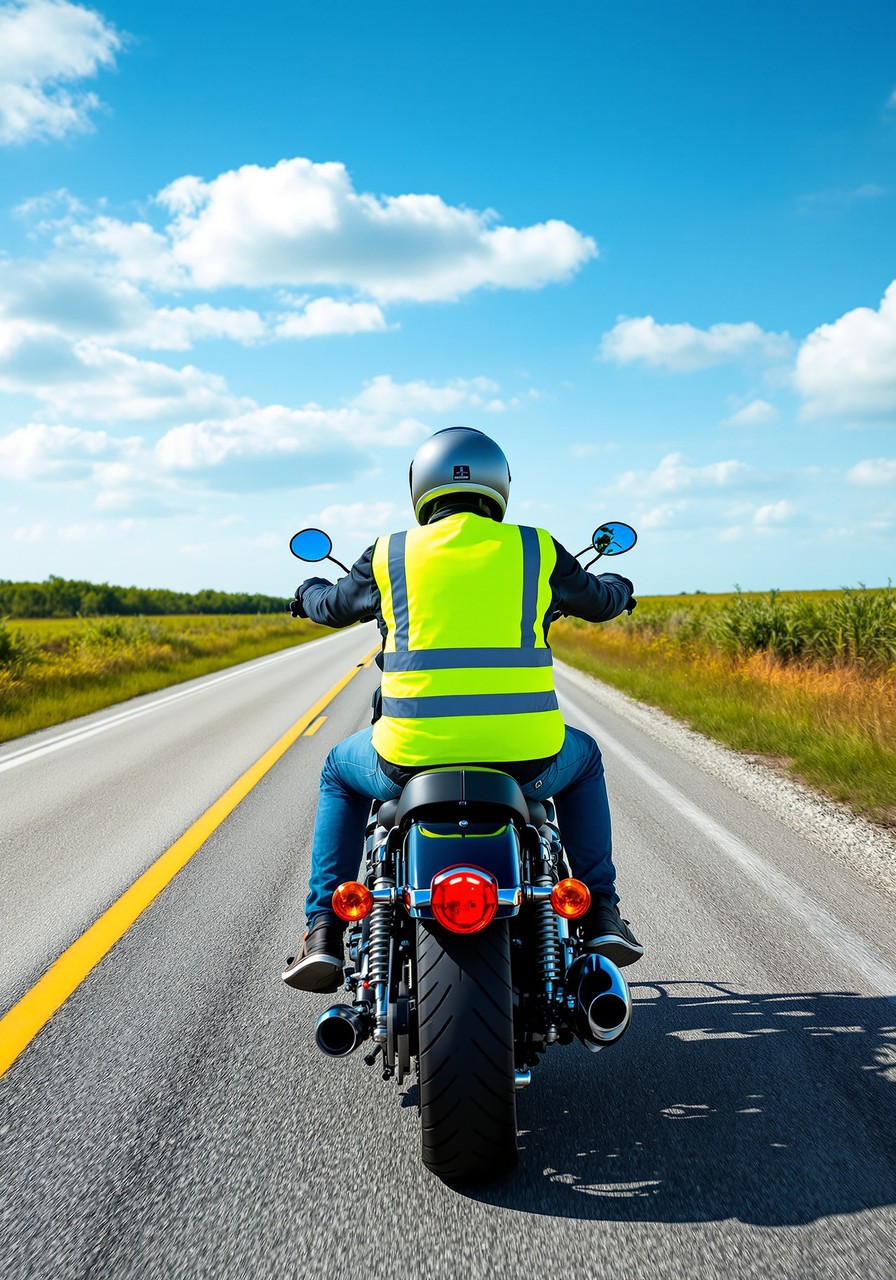
Safety & OK Law
Snap a few photos at the scene if you can, the vehicles, the plates, the road, and any cameras nearby. In a comparative fault state, that evidence protects your side. Free case review if you need help. #RideNationOK #KnowYourRights #RiderRights
Engagement
What is the coldest ride you ever pulled off in Green Country. Brag a little. #RideNationOK #GreenCountry #OklahomaRiders
Giveaway & Countdown
Free case review, free entry, real twenty thousand dollars. Ask Edwards & Patterson how at (918) 387-8920. #RideNationOK #BikersWin #OklahomaRiders
Local OK & Rides
Bike night season is coming back around Tulsa. Roll in slow, park it clean, and catch up with the crew you missed all winter. #RideNationOK #TulsaRiders #GreenCountry
Gear & New Iron
Buying a new bike this year? Spend the first hundred miles getting the brakes and throttle feel dialed in your head before you push it. Fresh iron deserves a fresh start. #RideNationOK #NewIron #RiderTips
Safety & OK Law
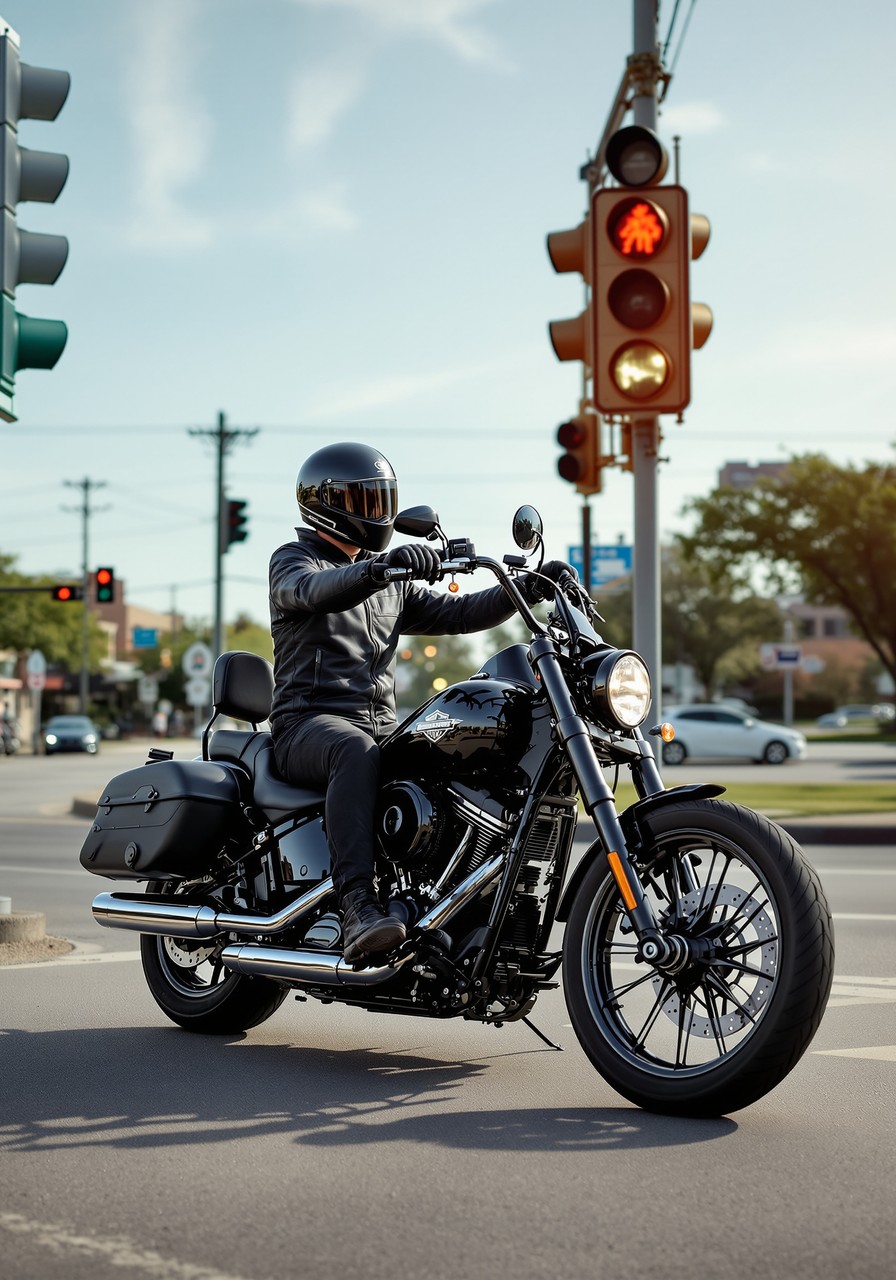
Green Country gusts get vicious near open fields and overpasses. Loosen your grip, keep your eyes up, and steer through it. Ride prepared for the wind, not surprised by it. #RideNationOK #MotorcycleSafety #GreenCountry
Engagement
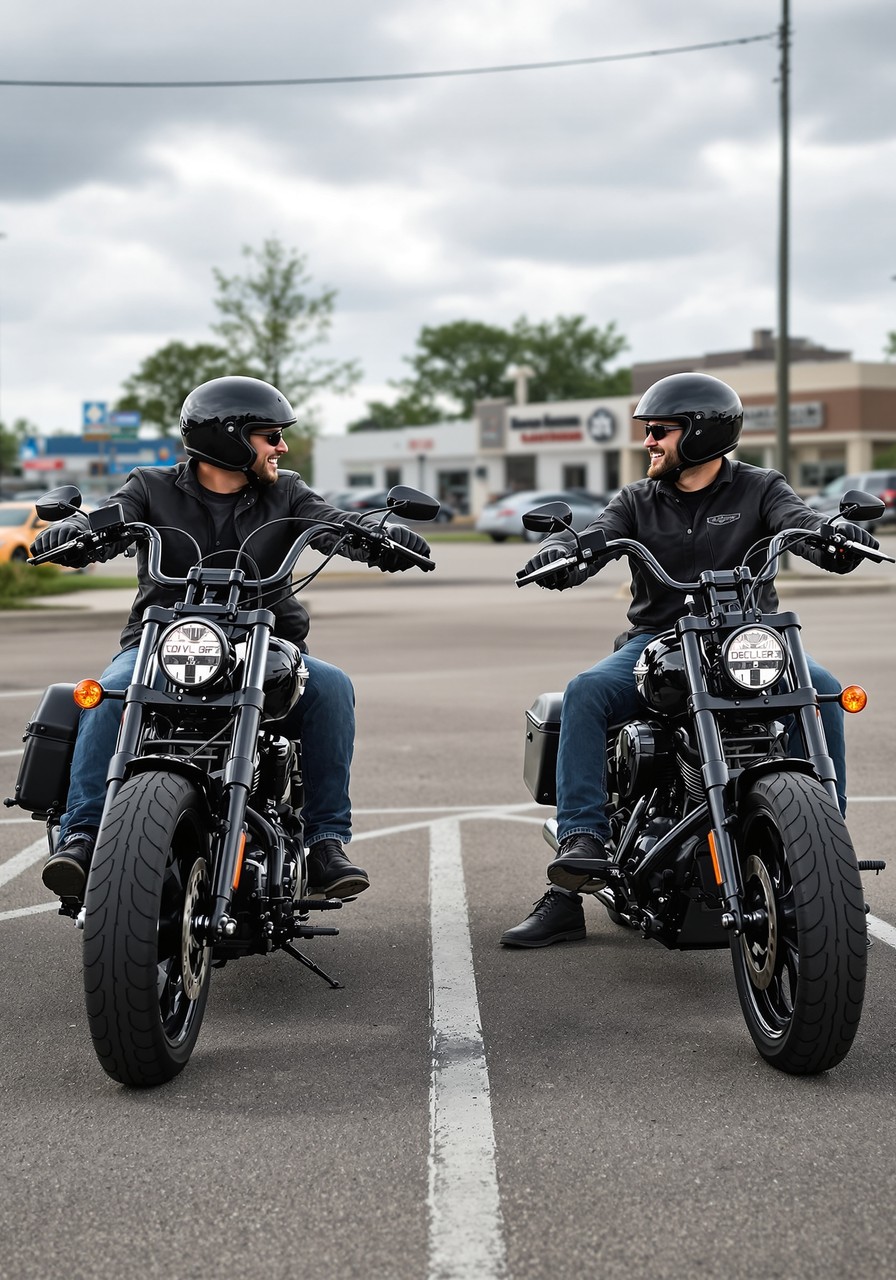
This or that: quiet solo ride or the whole crew rolling out together. What is your speed today? #RideNationOK #RideOrDie #TulsaRiders
Giveaway & Countdown
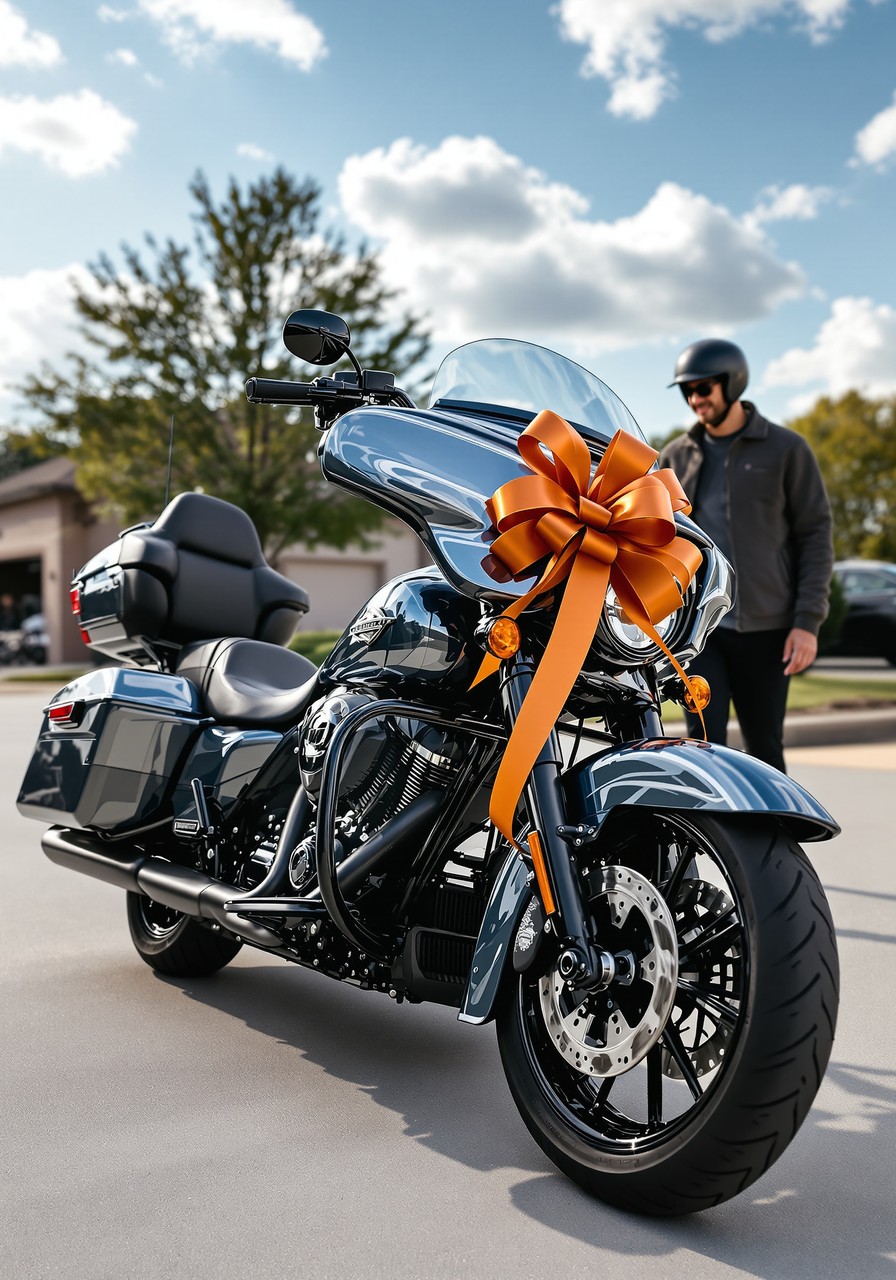
Countdown check, Ride Nation. Have you told a buddy about the $20,000 giveaway today? #RideNationOK #MotorcycleGiveaway #TulsaRiders
Local OK & Rides
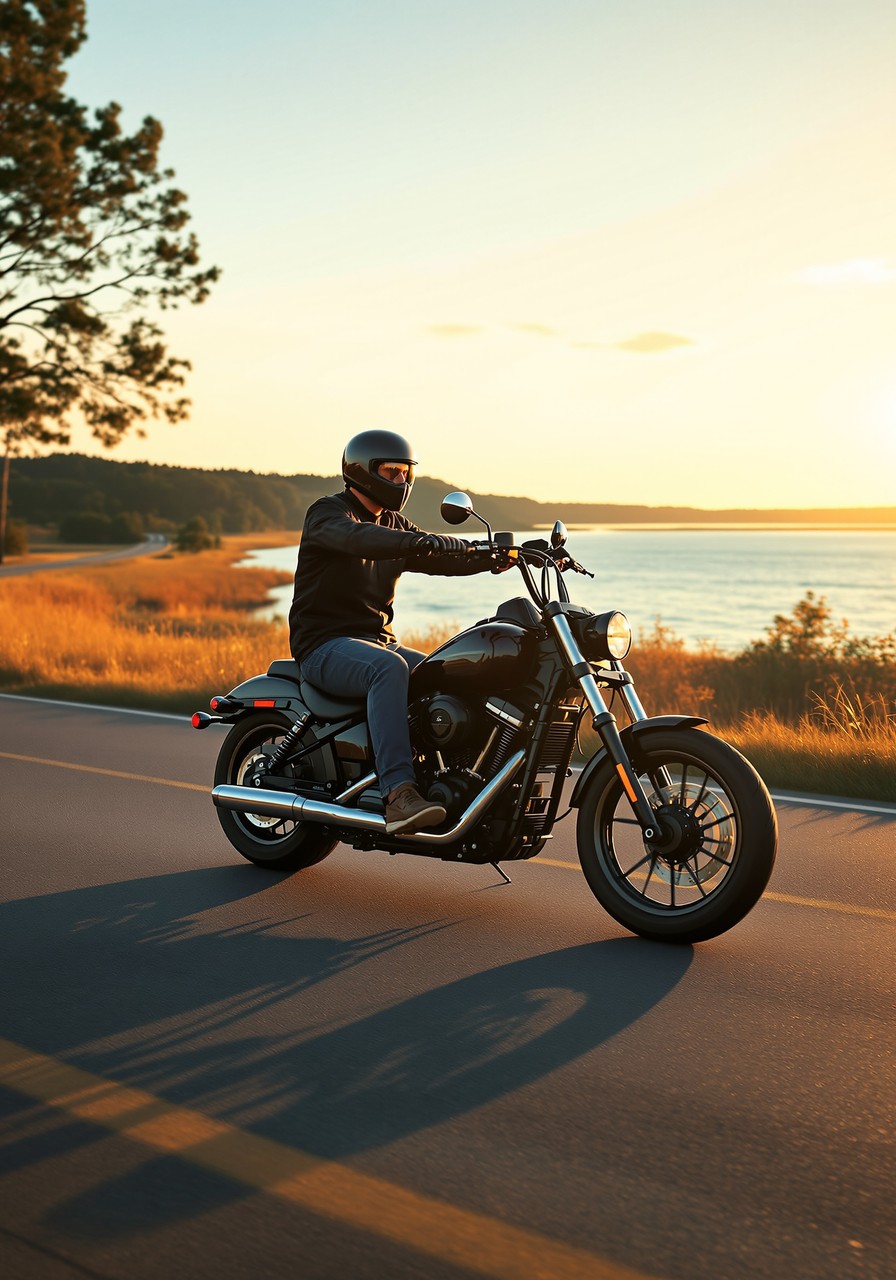
Nothing shakes off the winter rust like a first group run out Route 66 to a diner and back. Simple and worth it. #RideNationOK #Route66 #TulsaRiders
Gear & New Iron
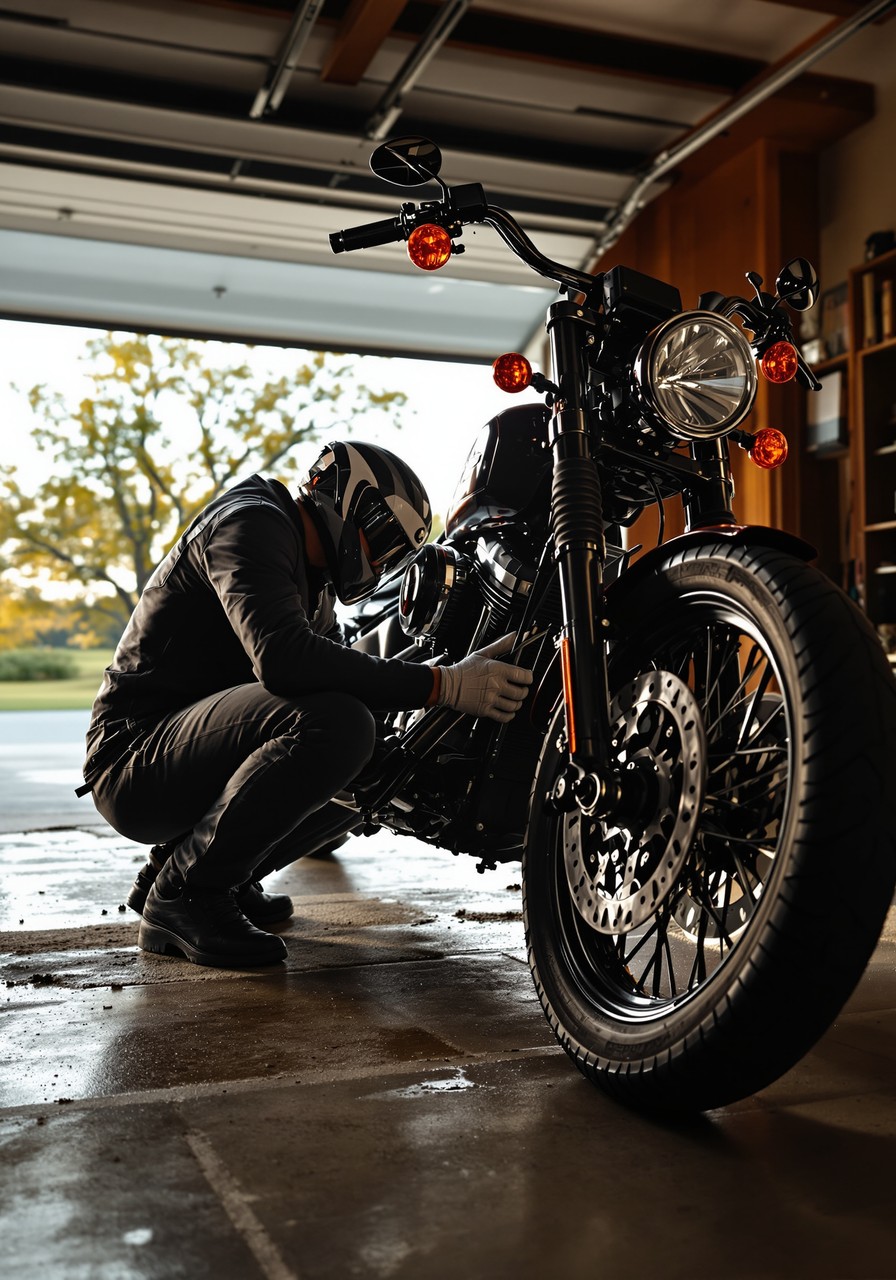
Heated grips are the upgrade cold-weather riders never regret. They stretch your riding season on both ends of an Oklahoma winter. #RideNationOK #ColdWeatherRiding #GearUp
Safety & OK Law
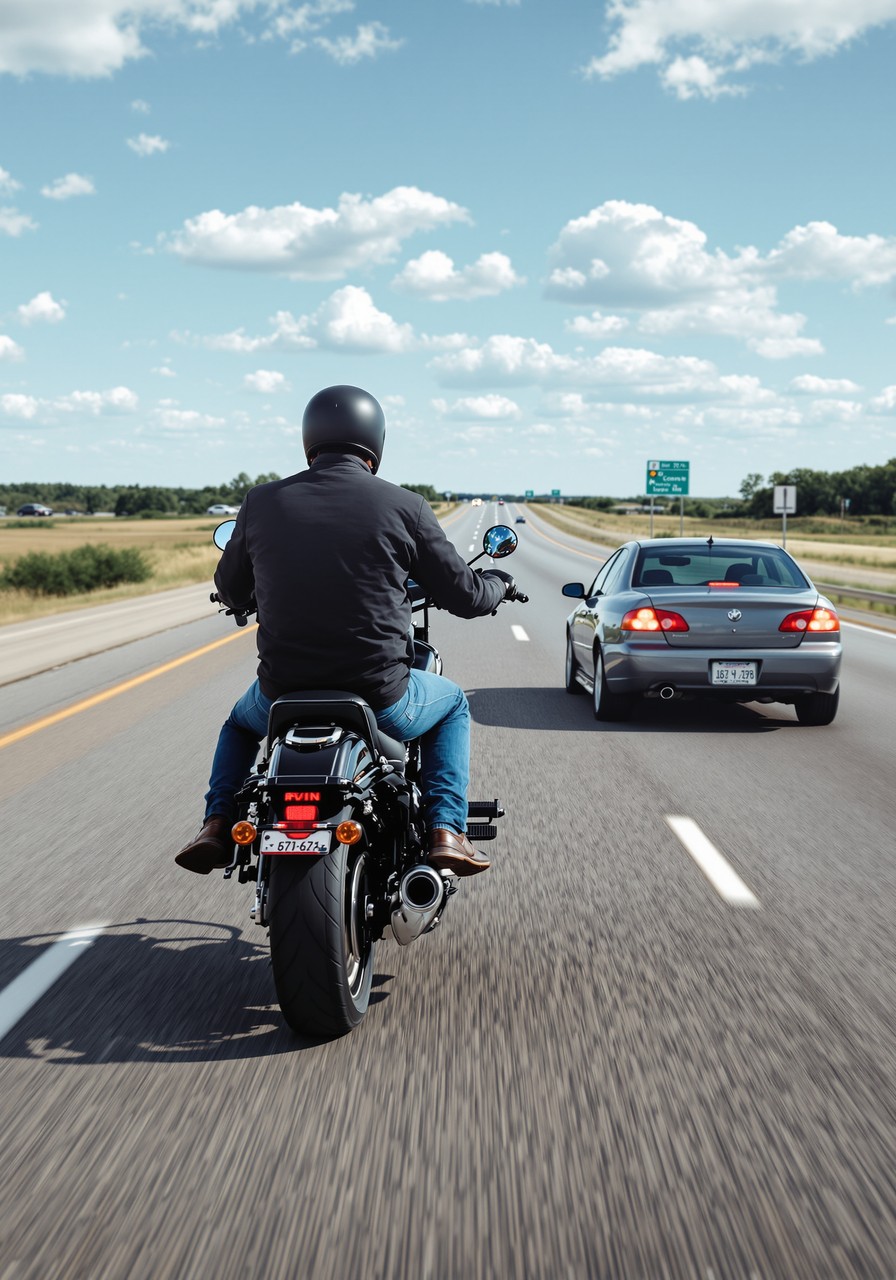
Oklahoma bridge decks glaze over before the road does, and a rider has zero margin on black ice. When temps drop near freezing, save the ride. #RideNationOK #MotorcycleSafety #TulsaRiders
Engagement
Tag the newest rider you know so we can welcome them to Ride Nation Tulsa. #RideNationOK #TulsaRiders #TwoWheels
Giveaway & Countdown
Down on your bike and dealing with it? A free talk about your claim gets you entered. Call (918) 387-8920. #RideNationOK #BikersWin #GreenCountry
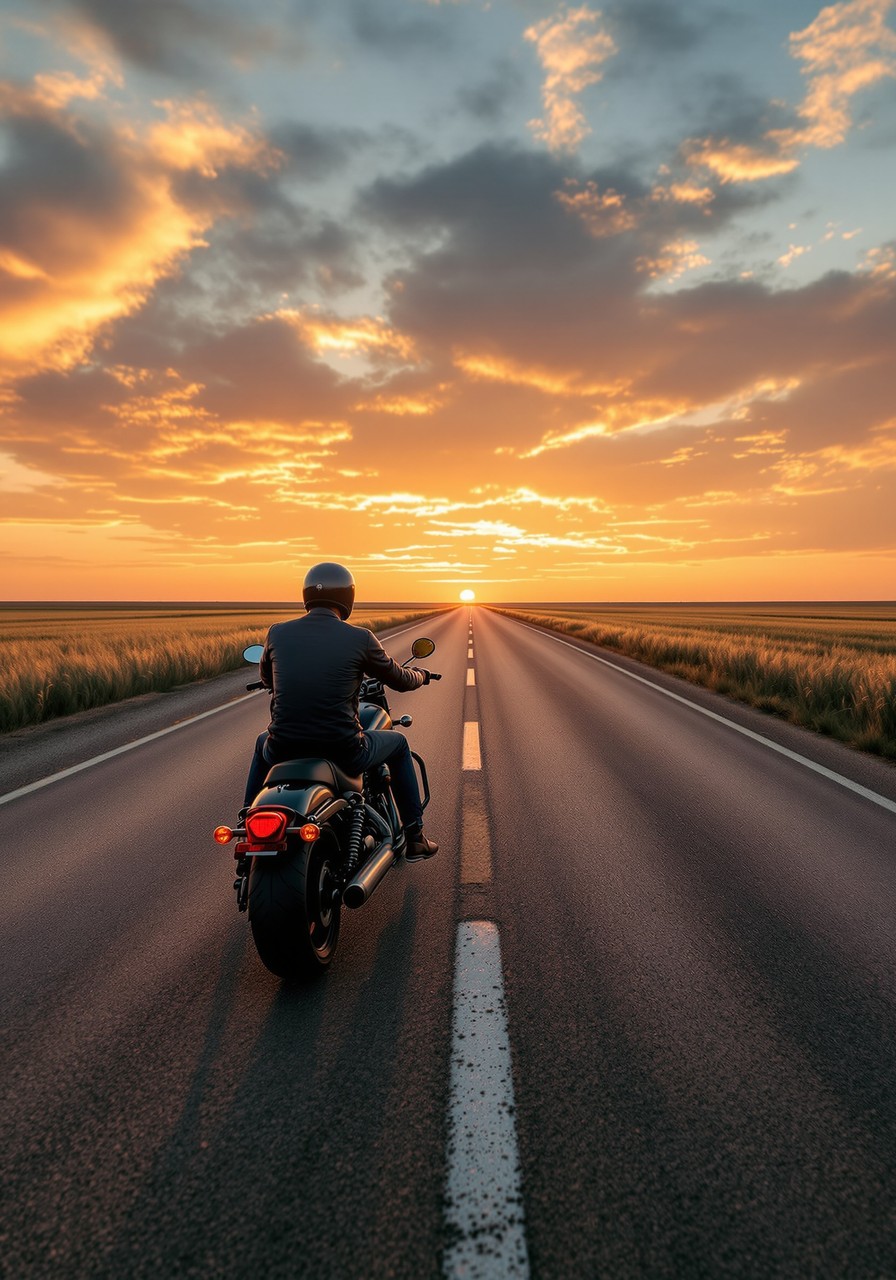
Local OK & Rides
Grand Lake shoreline in early summer is peak Green Country riding. Full tank, no schedule, take the long way. #RideNationOK #GrandLake #MotorcycleRoads
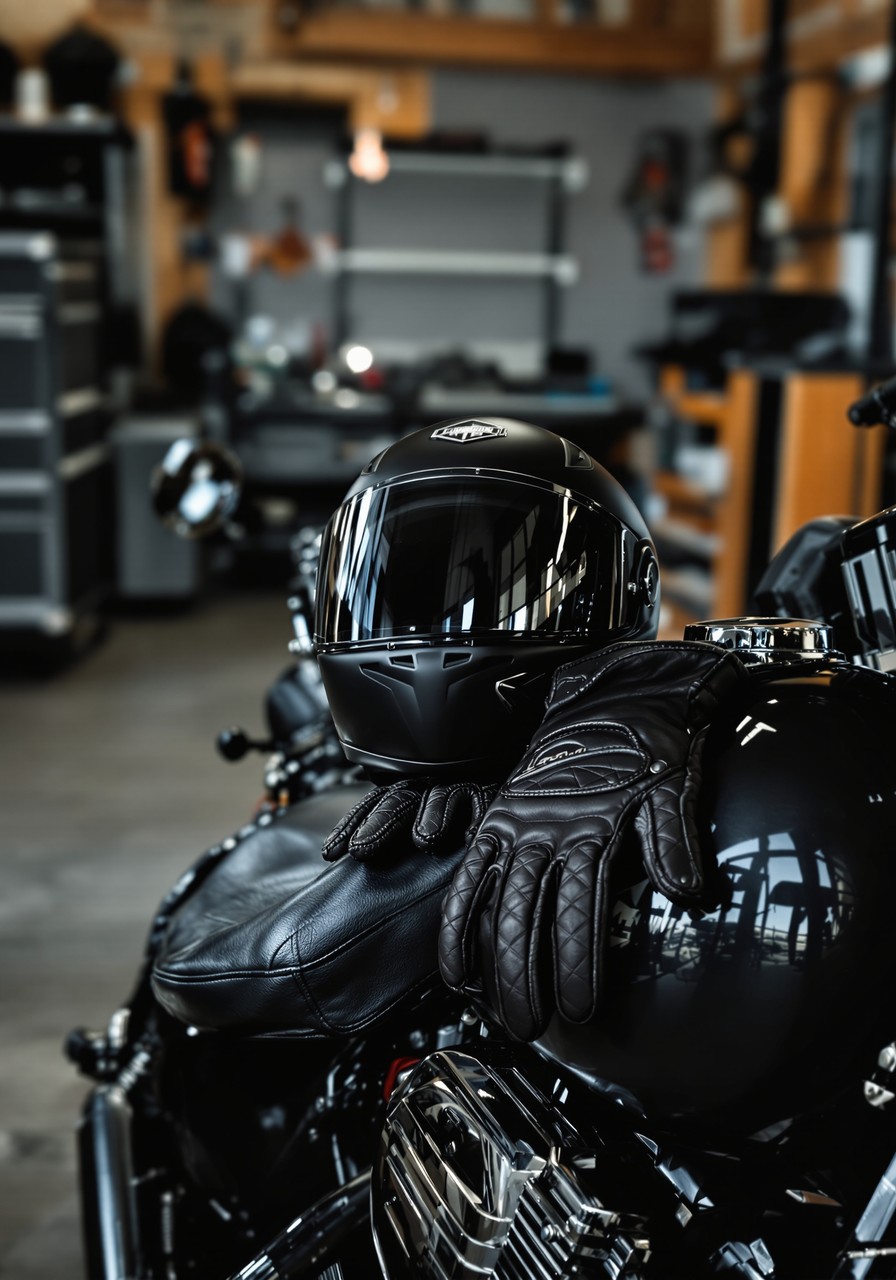
Gear & New Iron
A neck gaiter or balaclava seals the gap the jacket collar leaves open. Small piece, huge difference when the wind is trying to find your spine. #RideNationOK #ColdWeatherRiding #GearUp
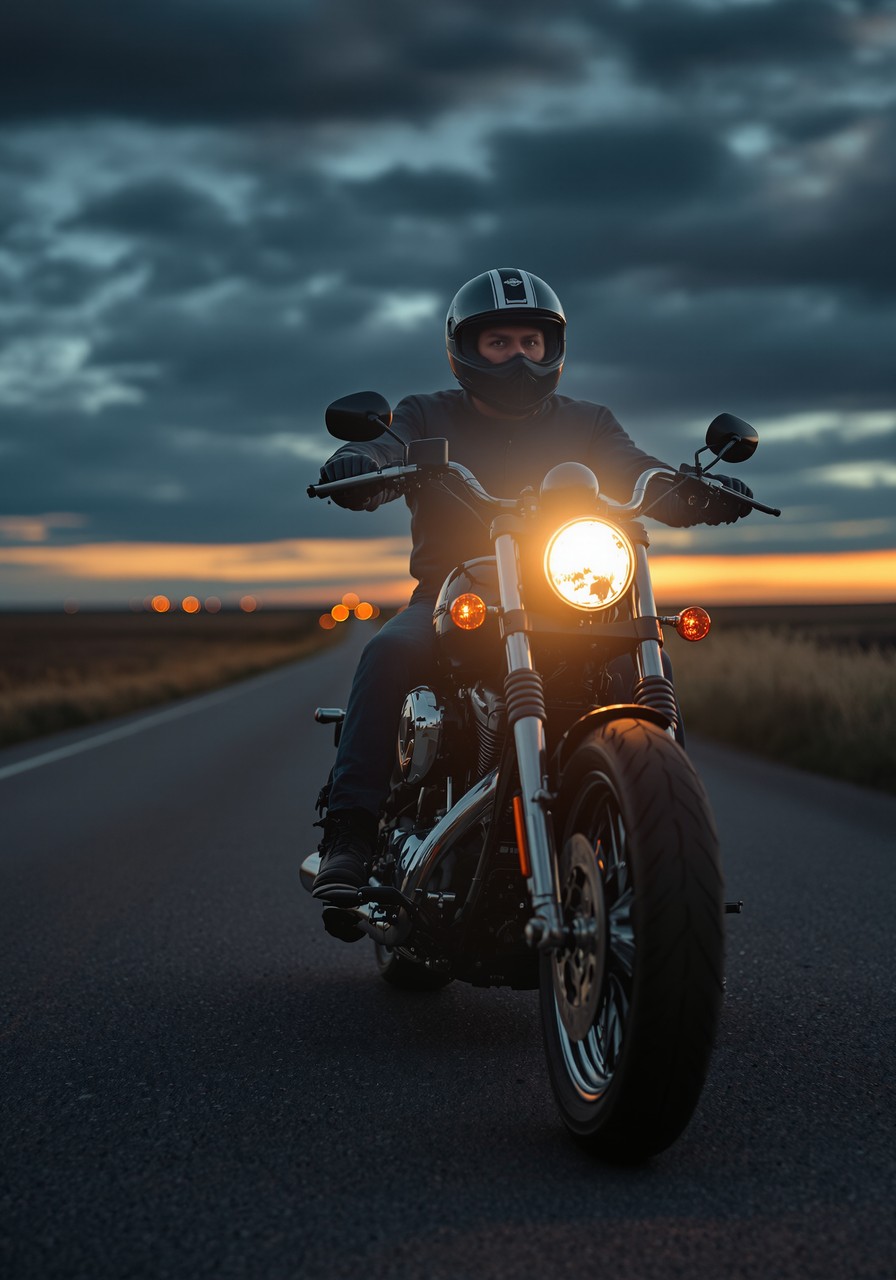
Safety & OK Law
Dawn and dusk are prime deer hours on Green Country backroads. Scan the ditches, drop your speed, and give yourself room to react. A free case review is there if the worst happens. #RideNationOK #MotorcycleSafety #OklahomaRiders
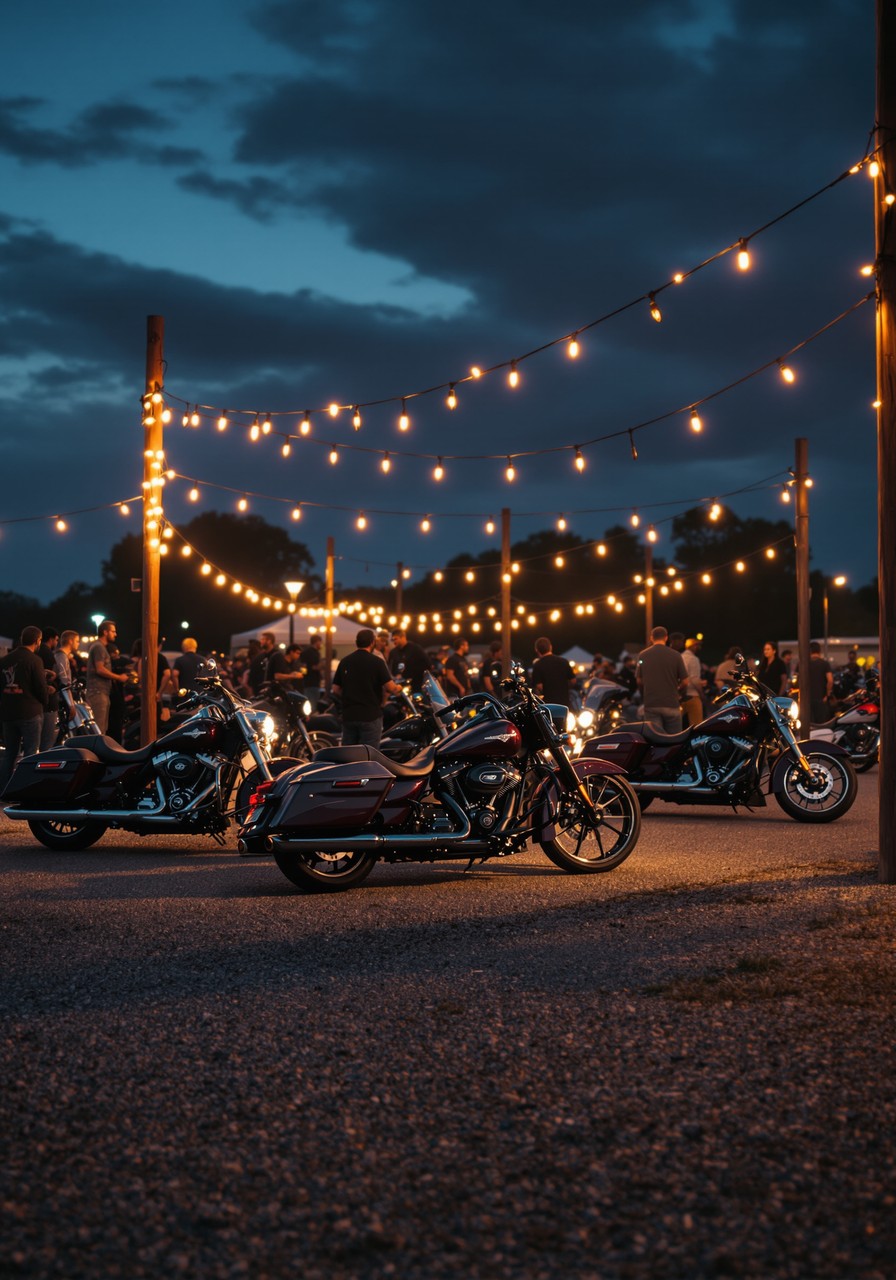
Engagement
Fill in the blank: come spring, the first place I am pointing the front wheel is ______. #RideNationOK #Route66 #OklahomaRiders
Giveaway & Countdown
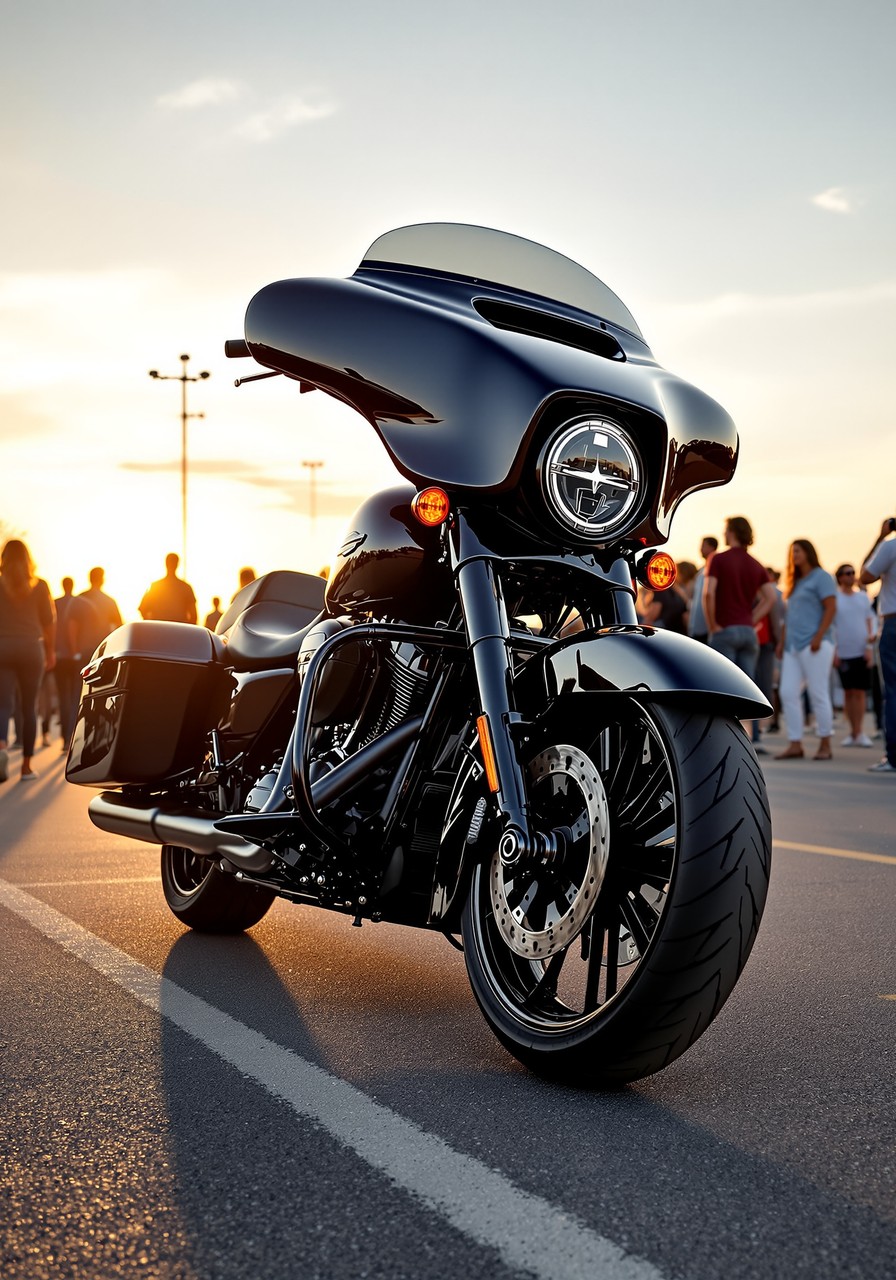
Twenty thousand dollars for one Green Country rider. That story is still being written. #RideNationOK #20kGiveaway #OklahomaRiders
Local OK & Rides
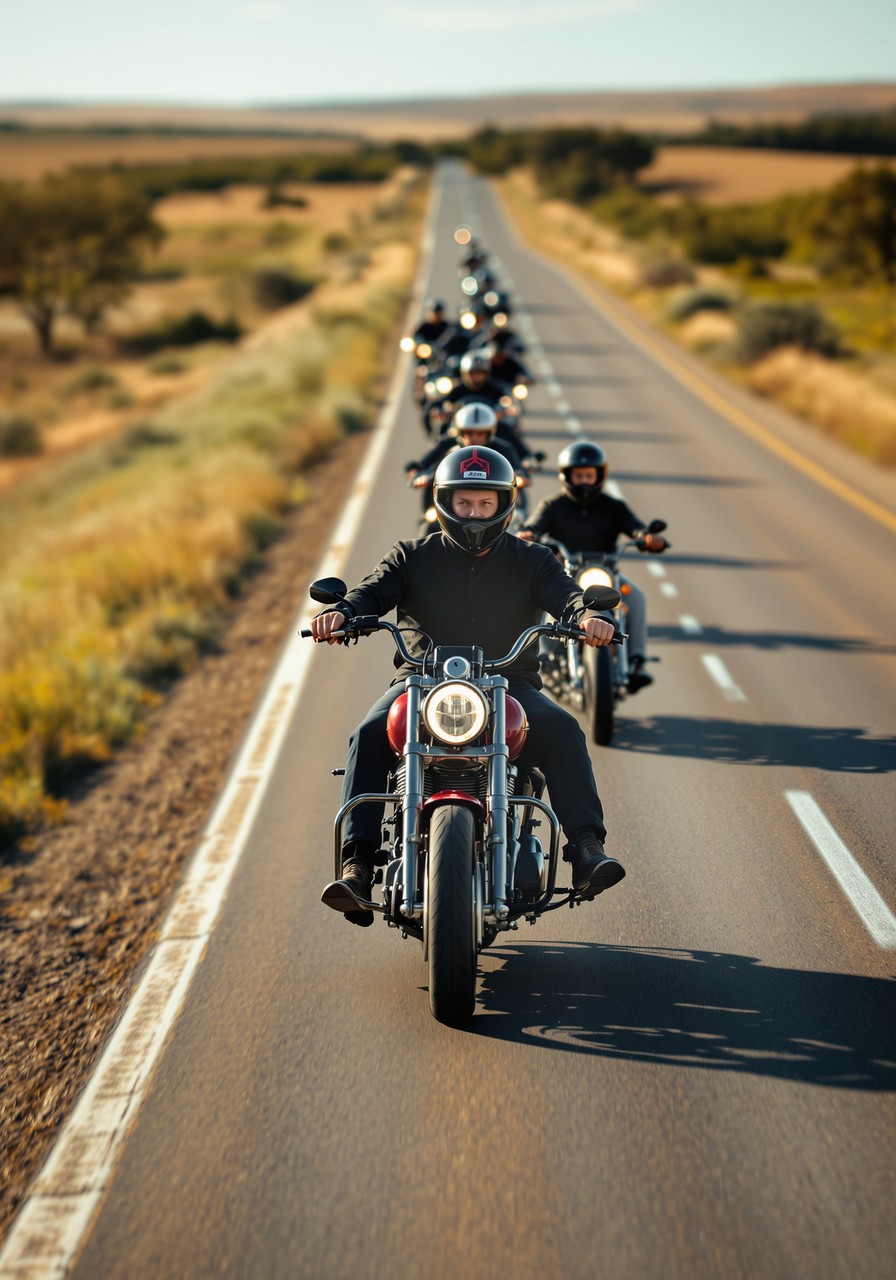
The Keystone Lake loop makes a solid half-day when you cannot swing the drive to Talimena. Close, twisty enough, easy to love. #RideNationOK #TulsaRiders #MotorcycleRoads
Gear & New Iron
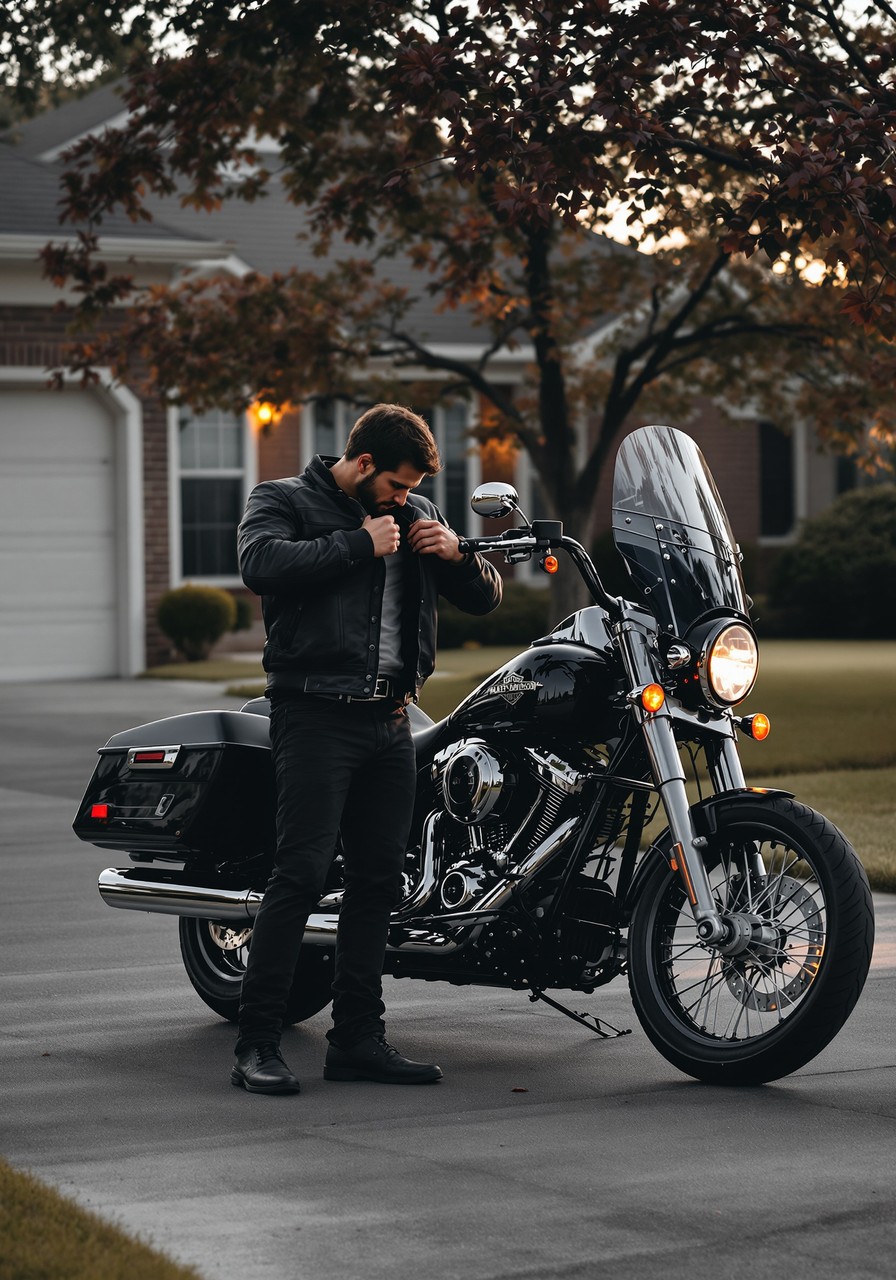
Kevlar-lined riding jeans look like normal denim and slide instead of shred. If armored pants feel like too much, this is the honest middle ground. #RideNationOK #ATGATT #GearUp
Safety & OK Law
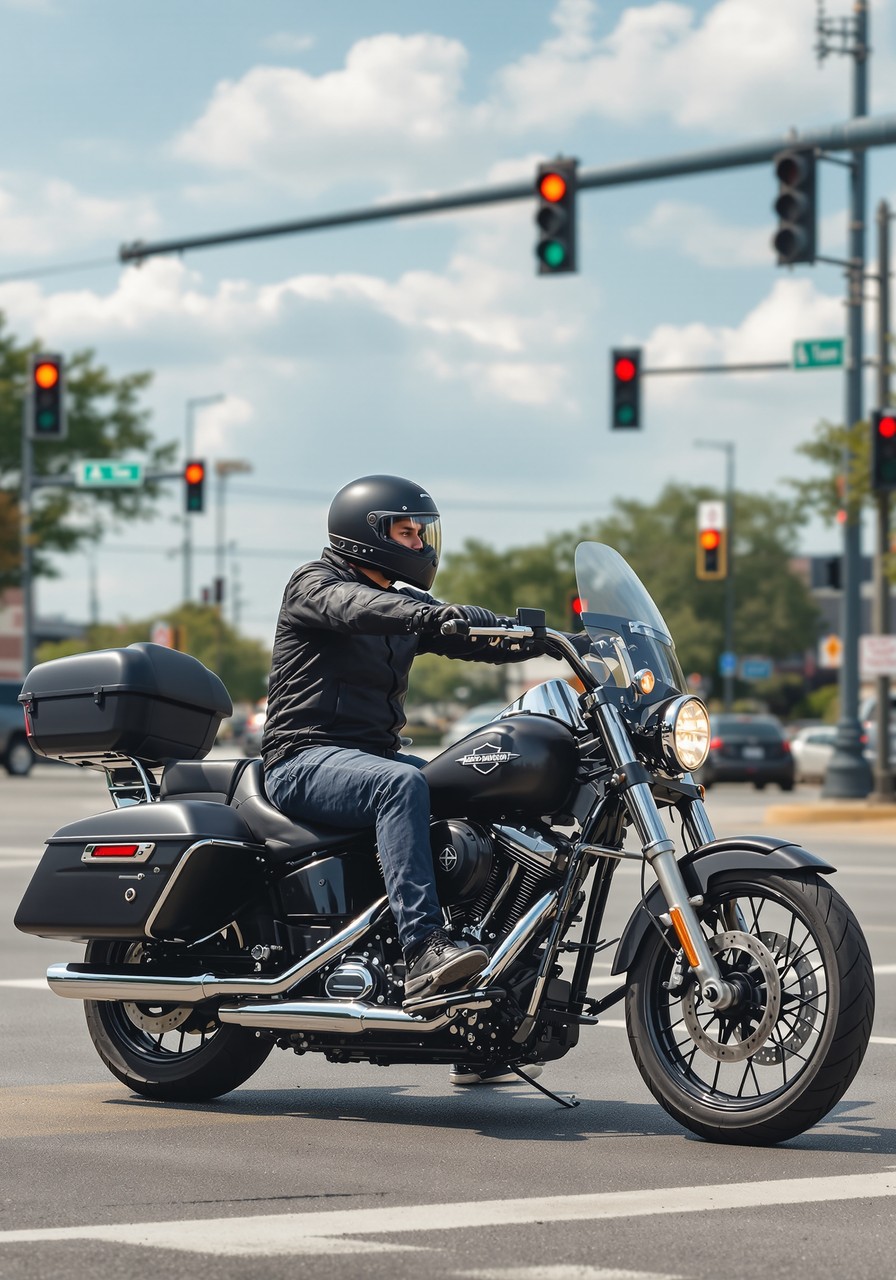
Adjusters will ask if you were wearing a helmet even though adults are not required to. Answer honestly, then let a rider-friendly attorney handle the rest. Free case review anytime. #RideNationOK #RiderRights #KnowYourRights
Engagement
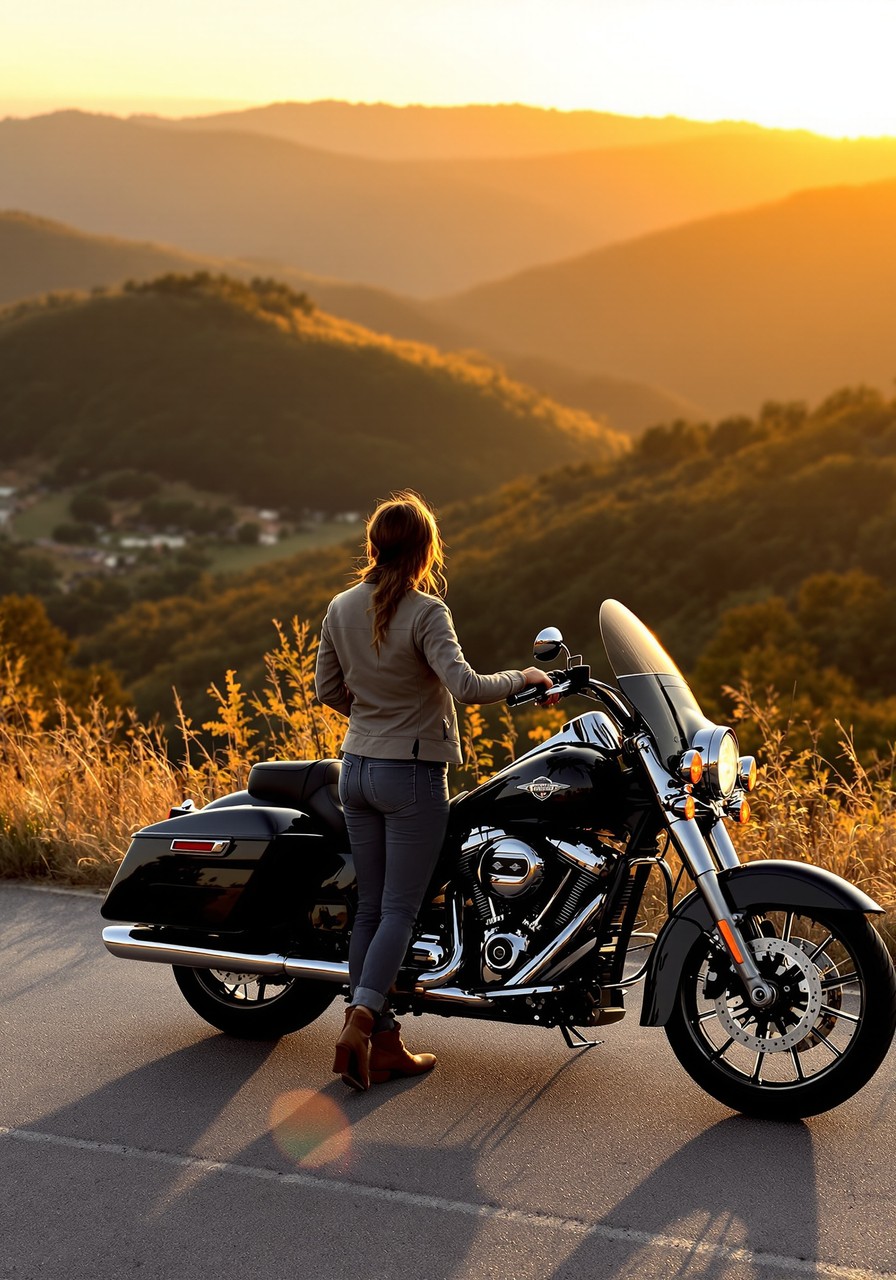
Caption this: a lone warm afternoon in February, the one break the Oklahoma wind gives you. What do you do with it? #RideNationOK #TulsaRiders #TwoWheels
Giveaway & Countdown
Ask us anything about the giveaway, no cost, no pressure. We are at (918) 387-8920 whenever you are ready. #RideNationOK #BikersWin #MotorcycleGiveaway
Local OK & Rides
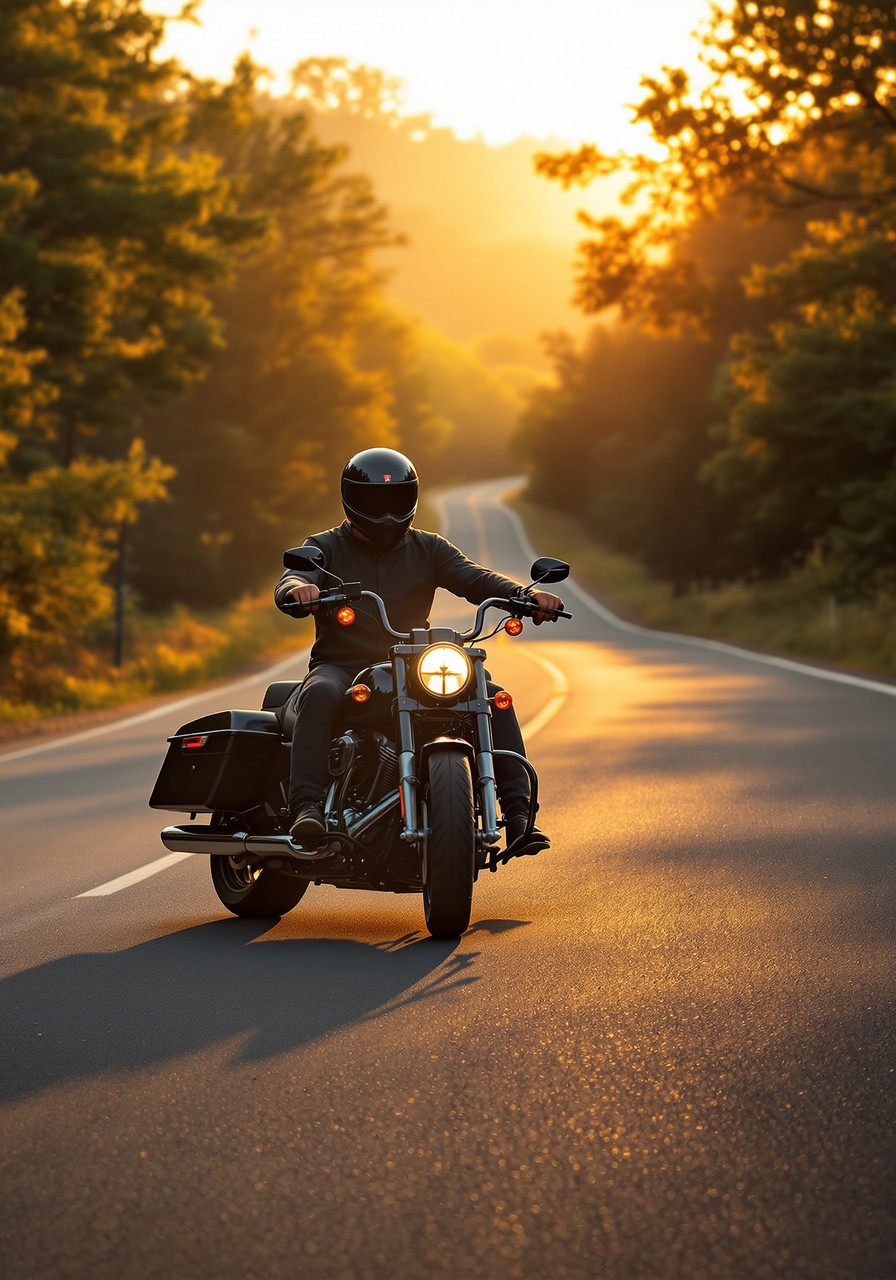
Fall in the Osage Hills is the ride everybody talks about all year. Clear the calendar the week the color peaks. #RideNationOK #OsageHills #GreenCountry
Gear & New Iron
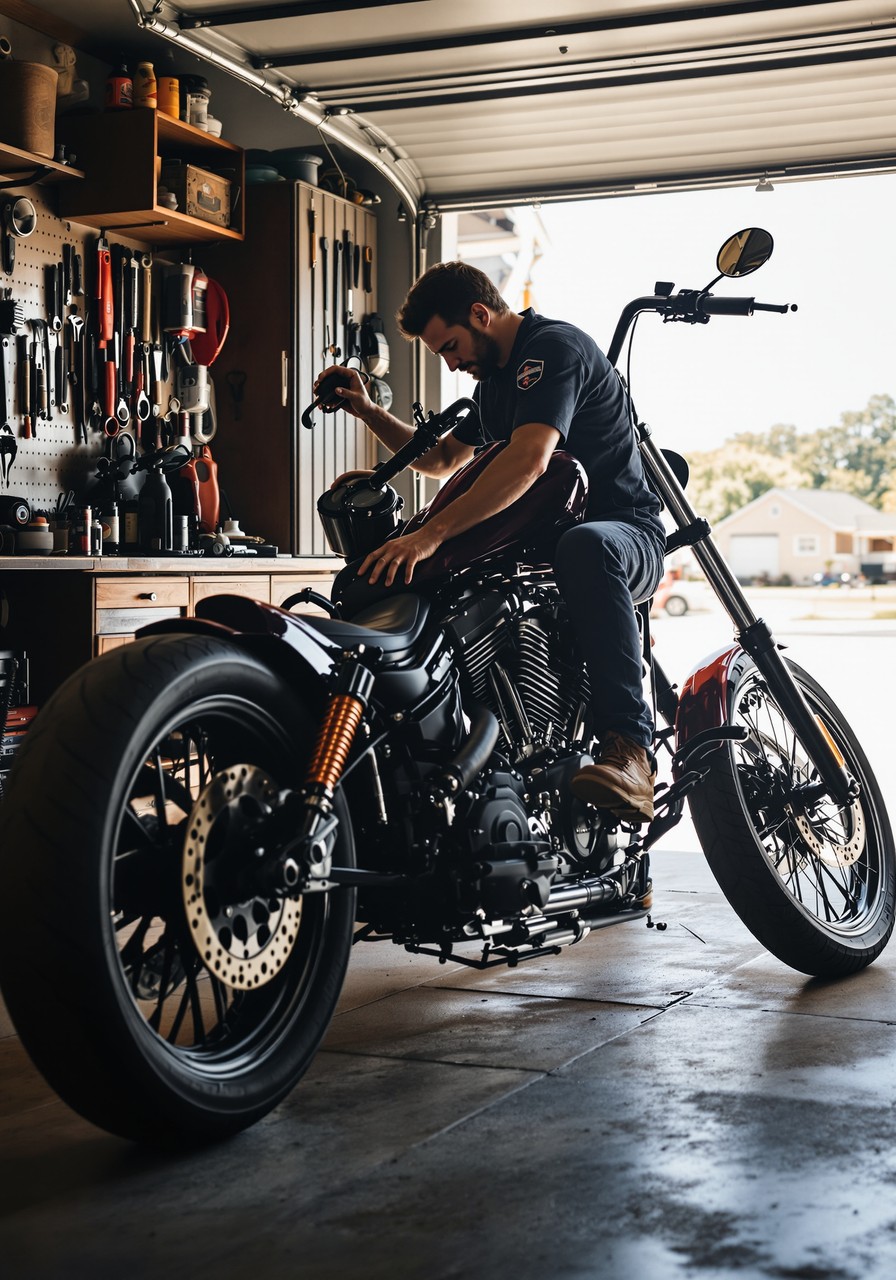
Check your headlight and brake light before every cold, dark ride. Winter means less daylight and more drivers who are not looking for you. #RideNationOK #RiderTips #MotorcycleMaintenance
Safety & OK Law
Because your recovery drops by your percentage of fault, insurers work hard to inflate it. Do not apologize at the scene and do not guess about speed. #RideNationOK #RiderRights #KnowYourRights
Engagement
Poll: do you keep riding through winter, or is it strictly a garage-and-planning season for you? #RideNationOK #OklahomaRiders #GreenCountry
Giveaway & Countdown
The more the merrier, Tulsa. Tag a rider, share the post, keep the countdown loud. #RideNationOK #TulsaRiders #20kGiveaway
Local OK & Rides
Summer heat out here is no joke by midday. Hydrate, ride early, and save the long prairie stretch for the cool of the morning. #RideNationOK #OklahomaRiders
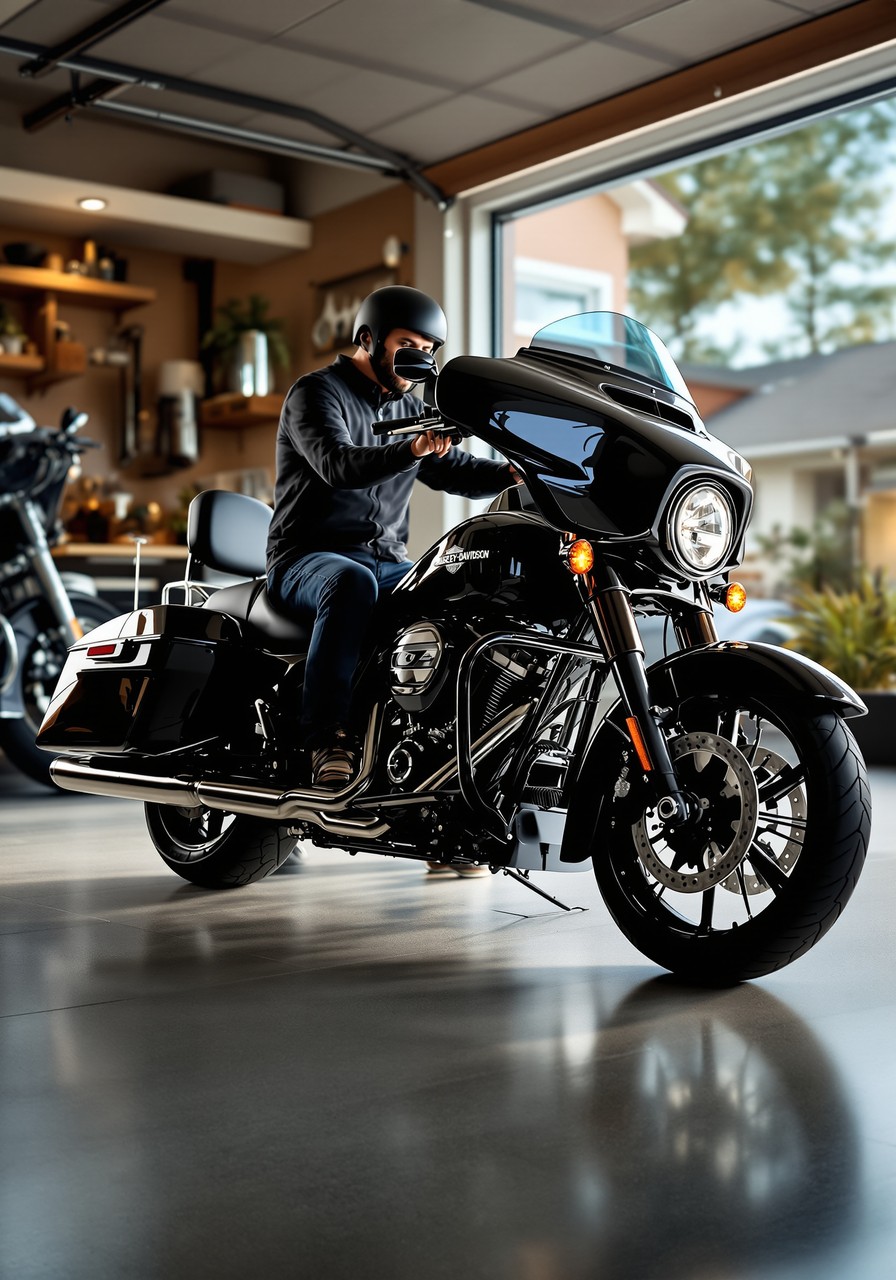
Gear & New Iron
Waterproof does not mean warm. A rain shell blocks wet but you still need insulation under it for an Oklahoma cold front. Pack both. #RideNationOK #ColdWeatherRiding #GearUp
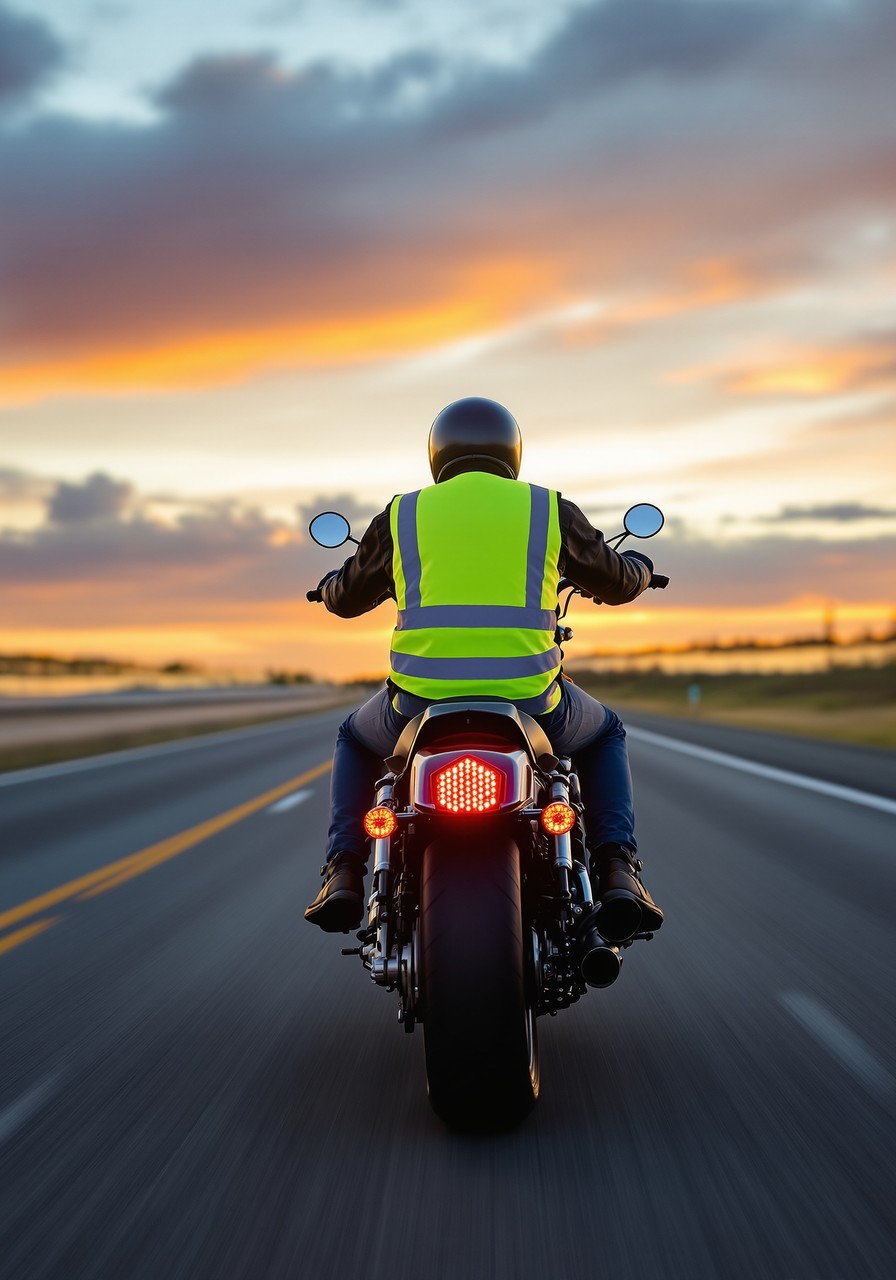
Safety & OK Law
Your own UM and UIM coverage steps in when the at-fault driver has little or nothing, and here that happens a lot. Review your limits before your next ride. #RideNationOK #MotorcycleSafety #OklahomaRiders
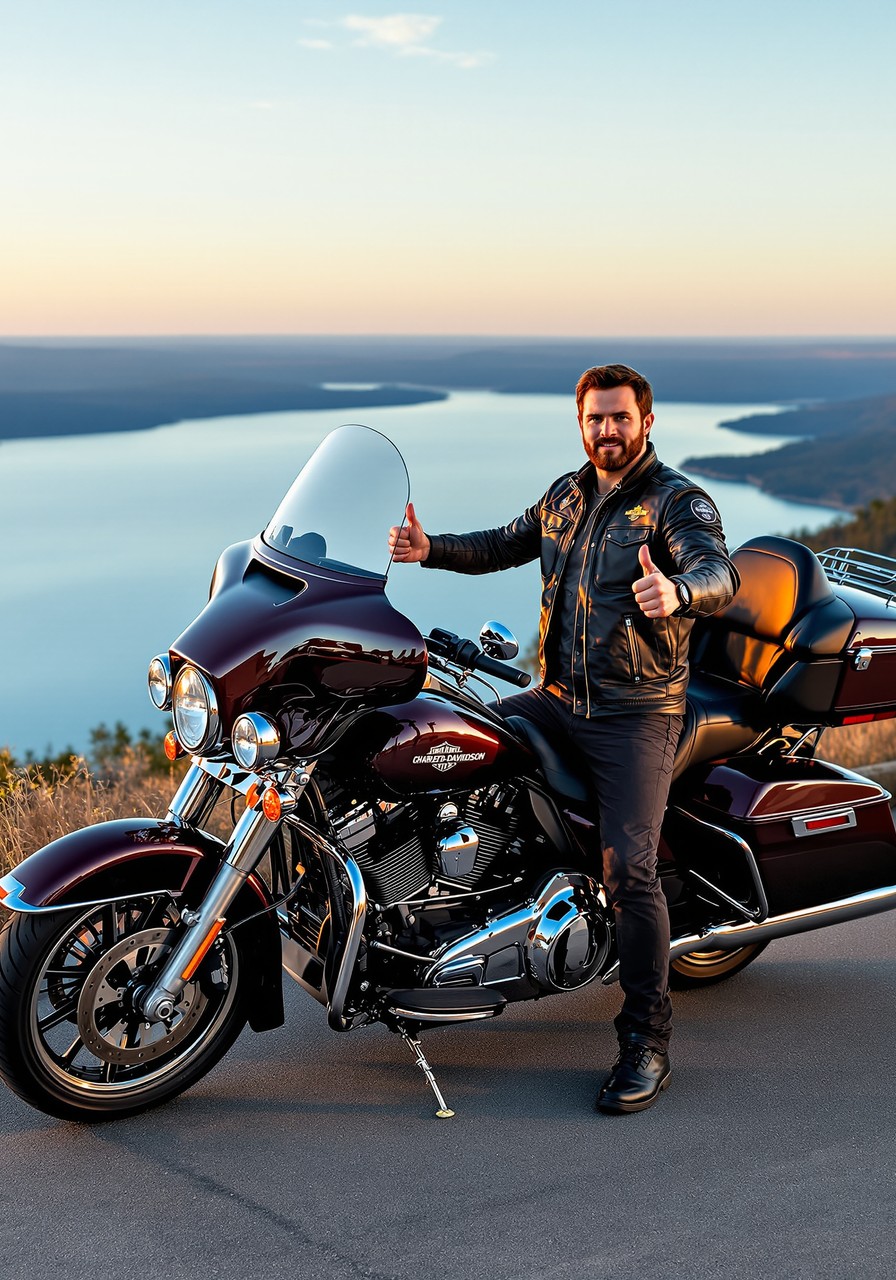
Engagement
Best overlook in the Osage Hills. Drop the spot so the crew can chase it this spring. #RideNationOK #OsageHills #TwoWheels
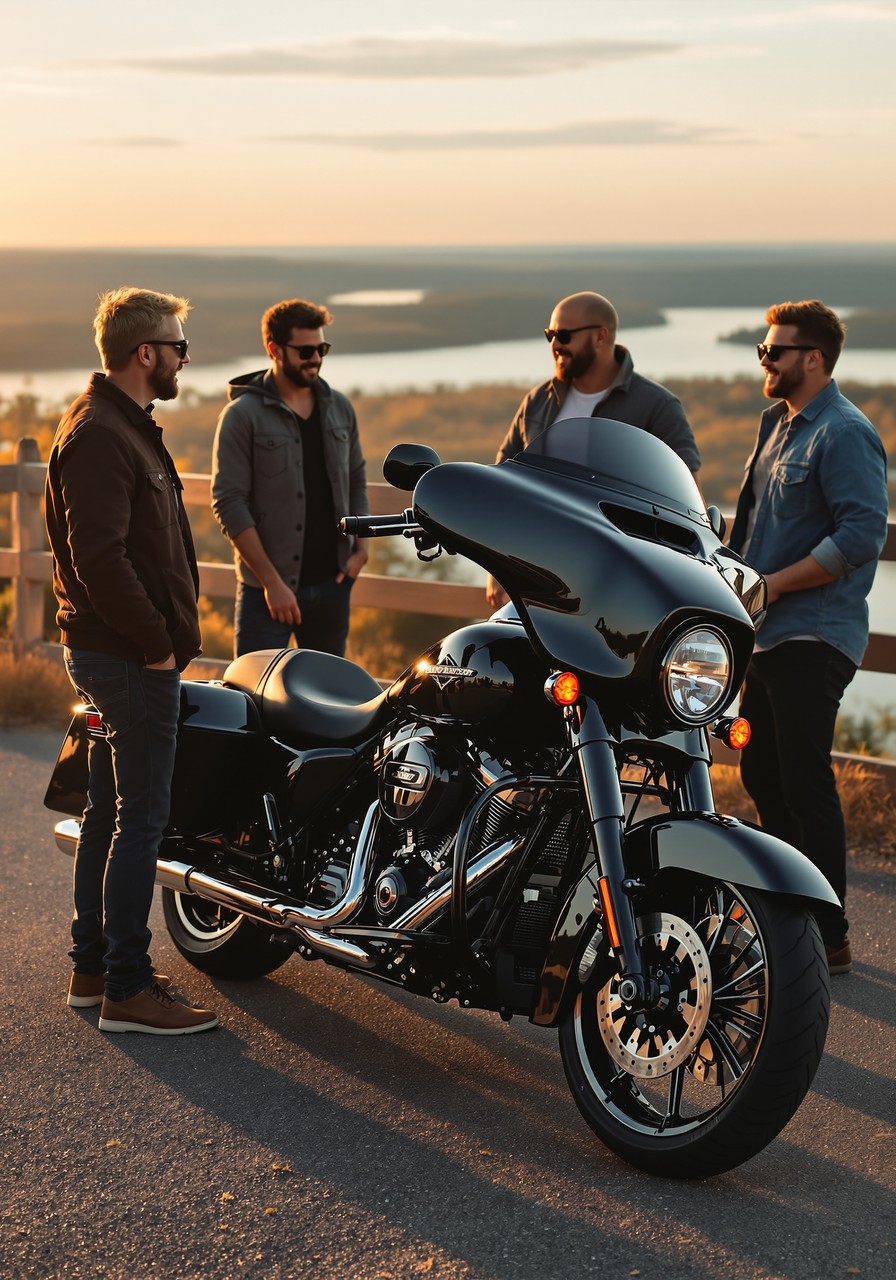
Giveaway & Countdown
A crash conversation with us is free, and it puts you in the running for twenty grand. Dial (918) 387-8920. #RideNationOK #BikersWin #GreenCountry
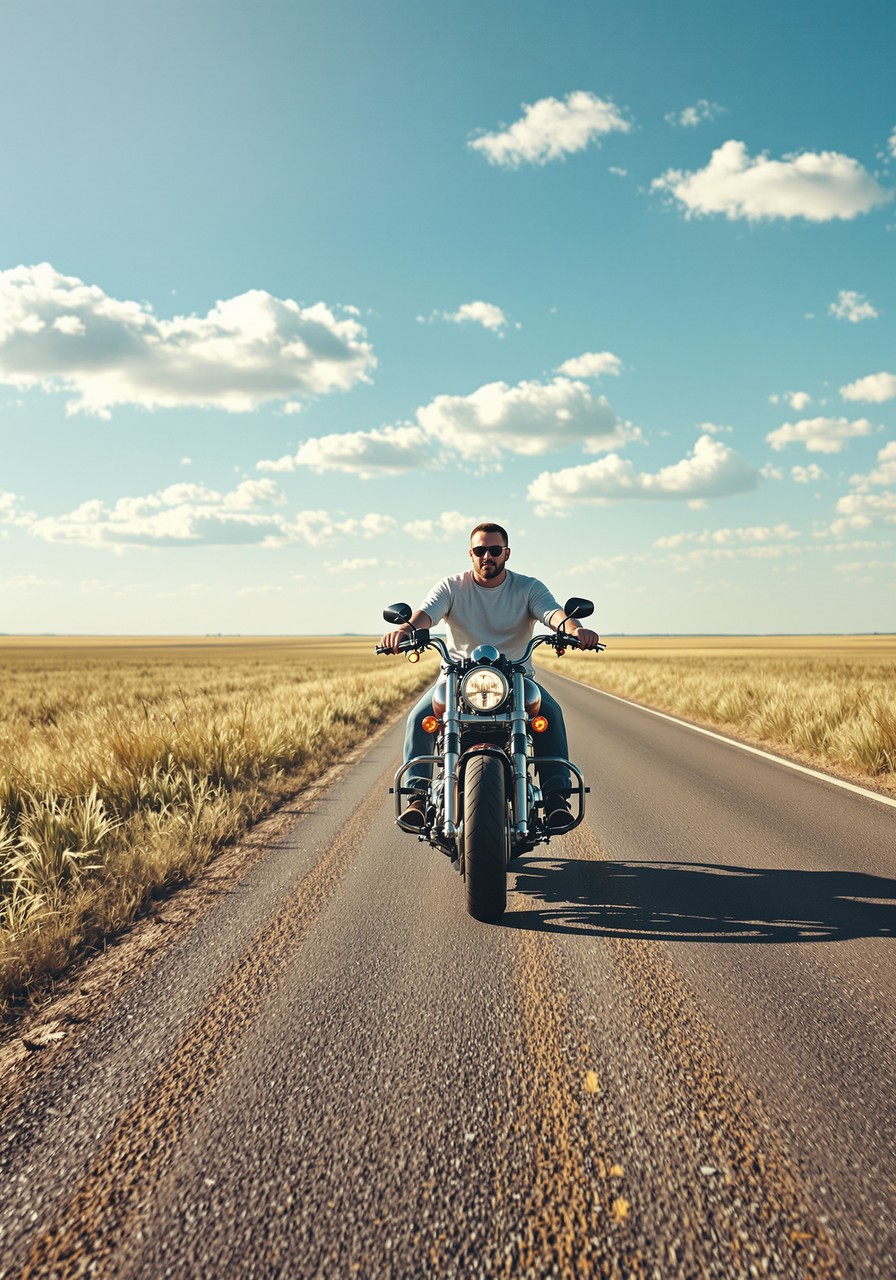
Local OK & Rides
The Tallgrass Prairie at sunrise is worth the early alarm. Just remember the deer are still out until the light comes up. #RideNationOK #OsageHills #OklahomaRiders
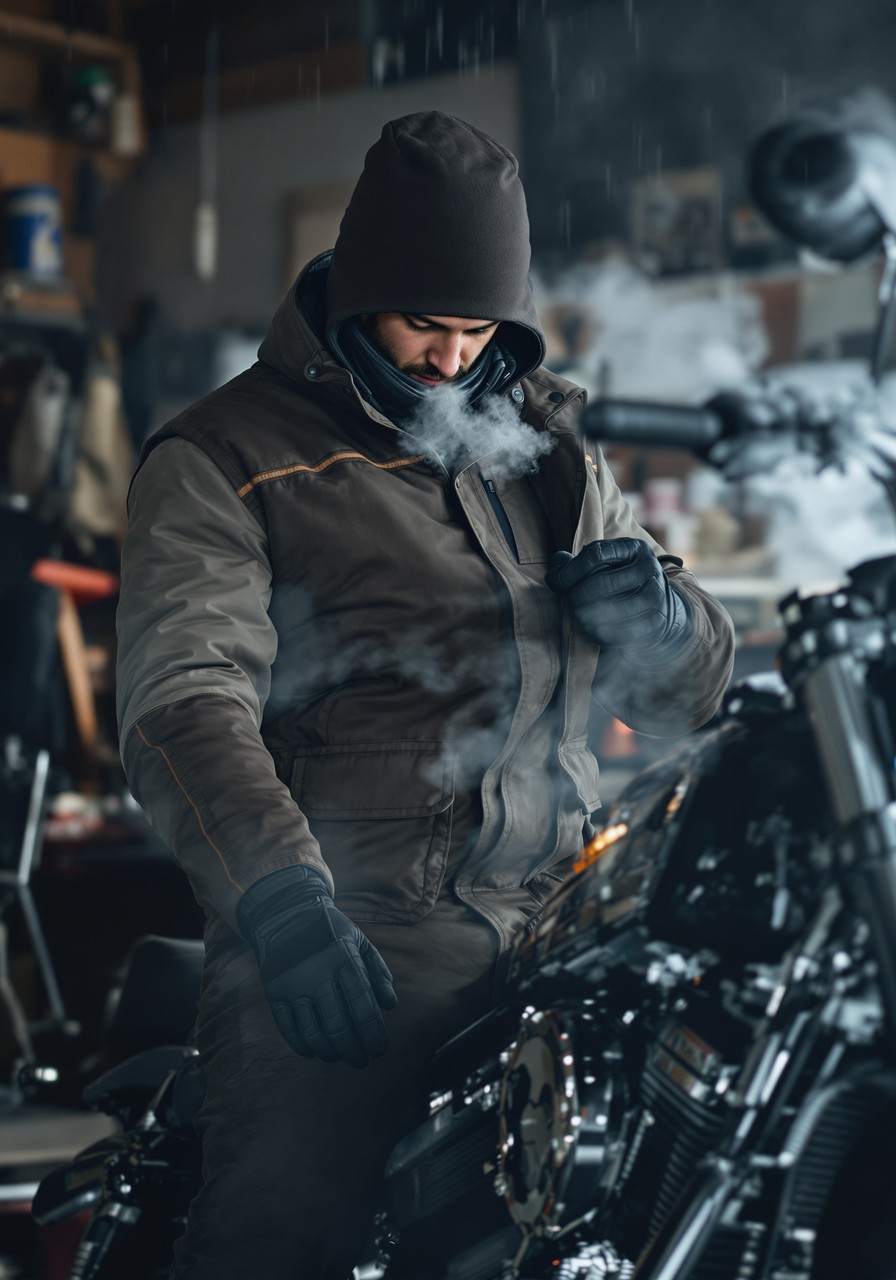
Gear & New Iron
Glove fit matters as much as glove warmth. Too tight cuts circulation and your hands go cold anyway. Room to wiggle keeps the blood moving. #RideNationOK #ColdWeatherRiding #RiderTips
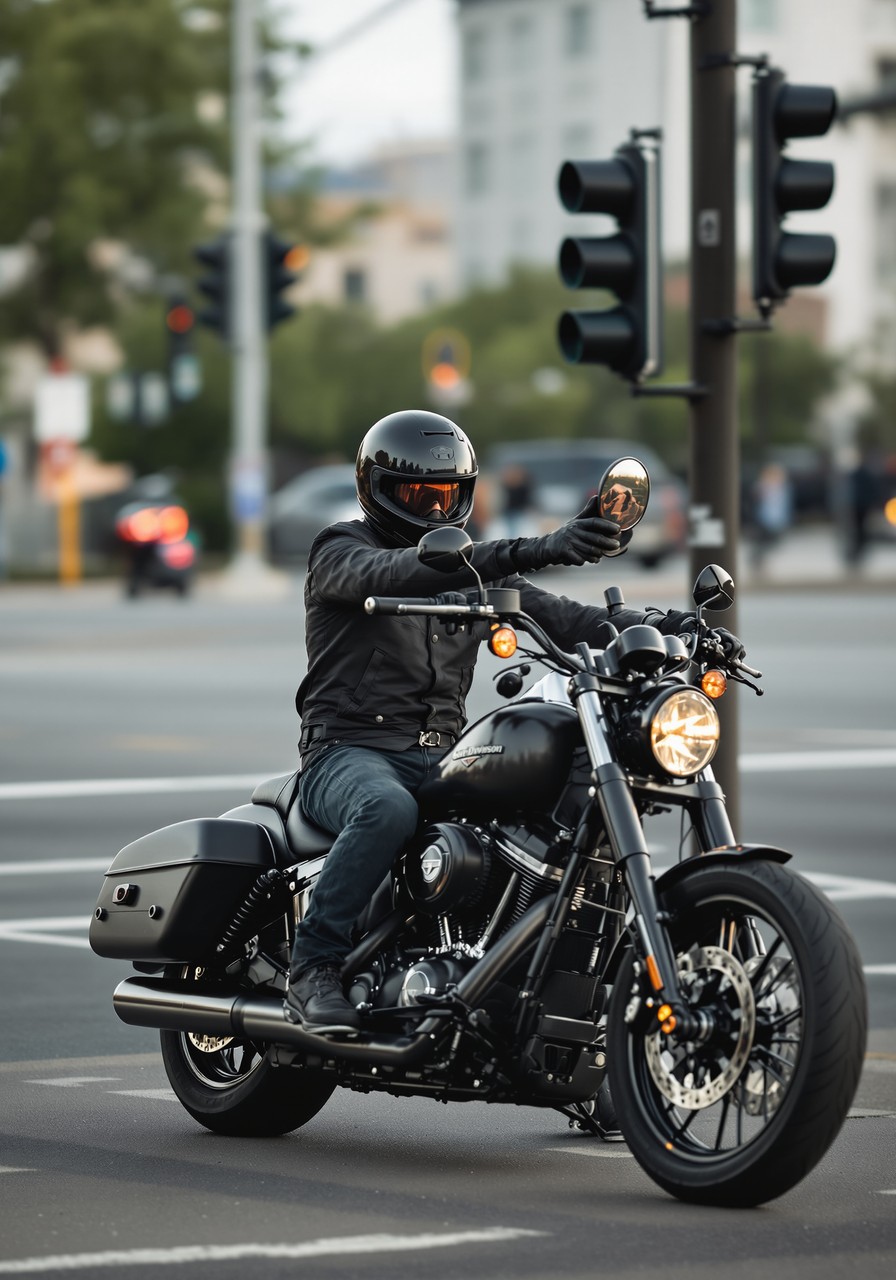
Safety & OK Law
Full gear is not about the weather, it is about the pavement. ATGATT means gloves, boots, and armor every single ride, not just the long ones. #RideNationOK #ATGATT #MotorcycleSafety
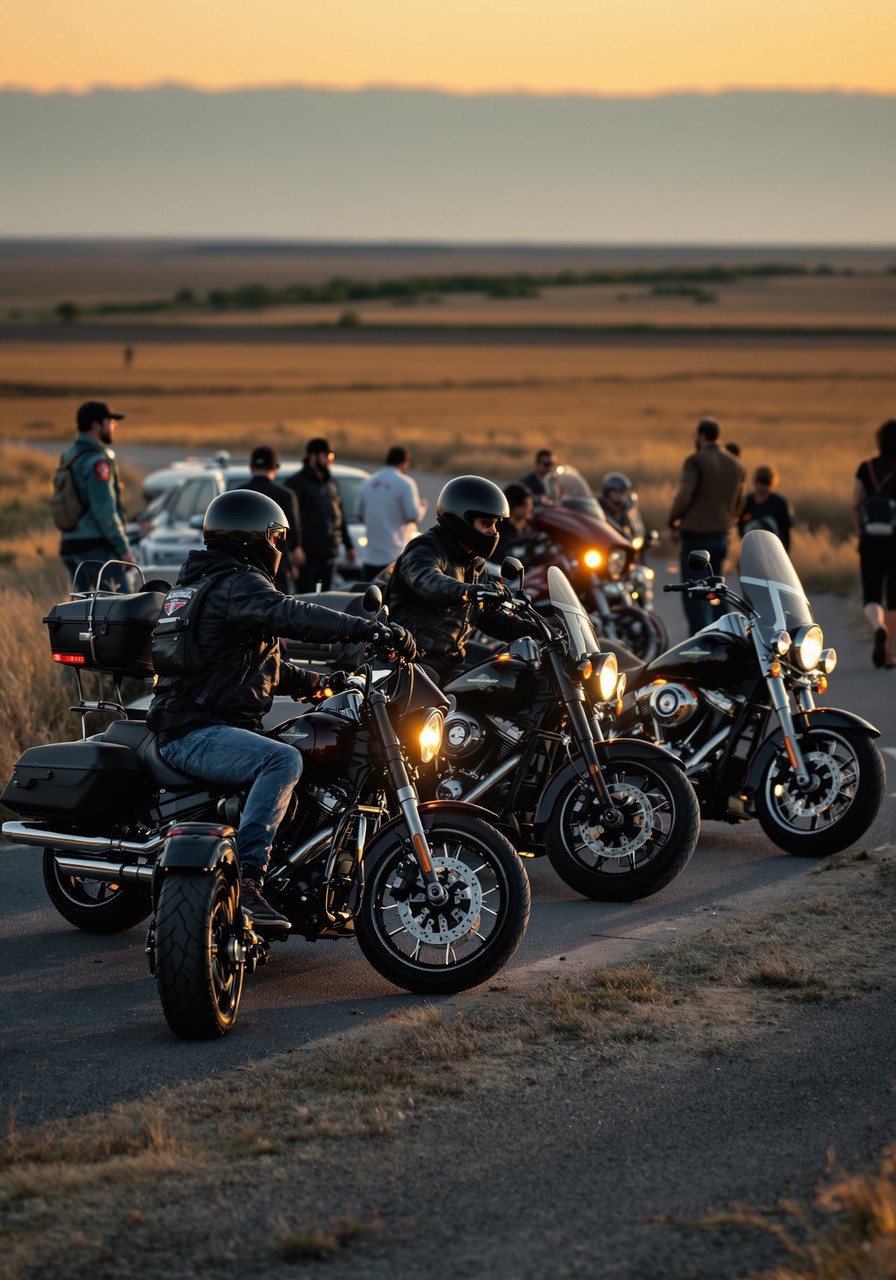
Engagement
This or that: a slow scenic Grand Lake day or an all-out Route 66 mile-eater. Pick your ride. #RideNationOK #GrandLake #Route66
Giveaway & Countdown
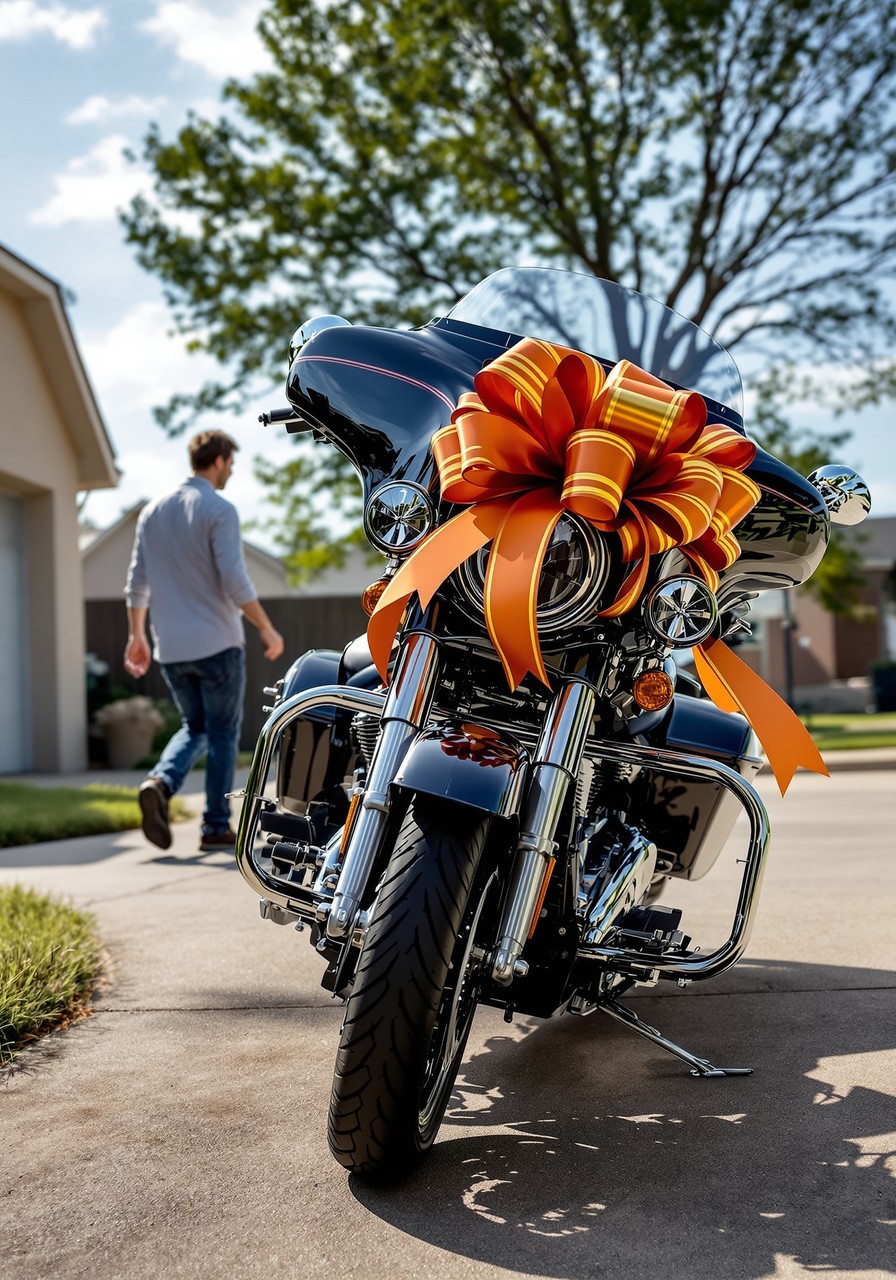
Feel that momentum, Ride Nation? The BikersWin giveaway is picking up speed and so are the entries. #RideNationOK #MotorcycleGiveaway #OklahomaRiders
Local OK & Rides
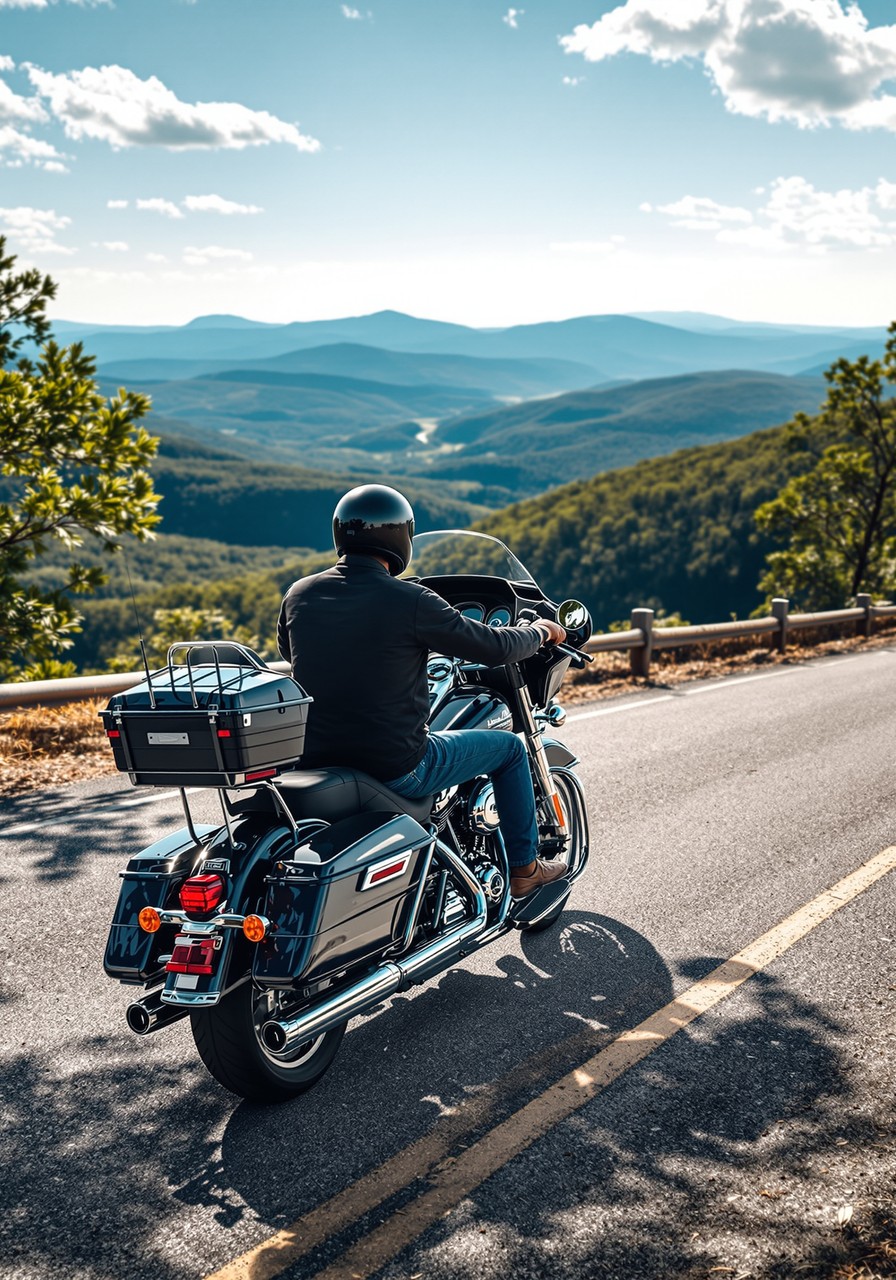
A Route 66 east run to Catoosa and the old Blue Whale is a classic short loop. Great one to bring a new rider along on. #RideNationOK #Route66 #TulsaRiders
Gear & New Iron
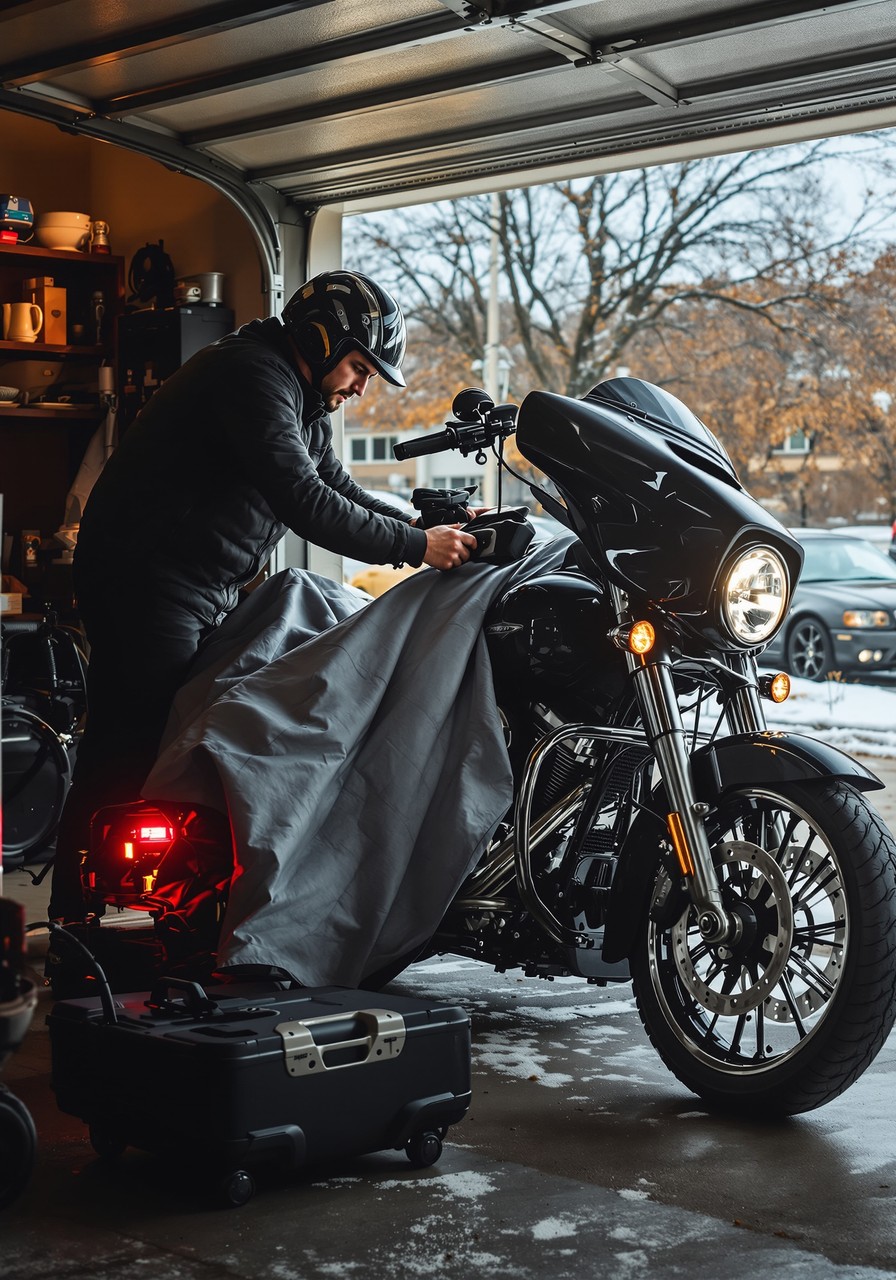
Inspect your tires for cracks and dry rot after the bike sits all winter. Cold storage ages rubber, and a season parked can leave sidewalls checked. #RideNationOK #MotorcycleMaintenance #RiderTips
Safety & OK Law
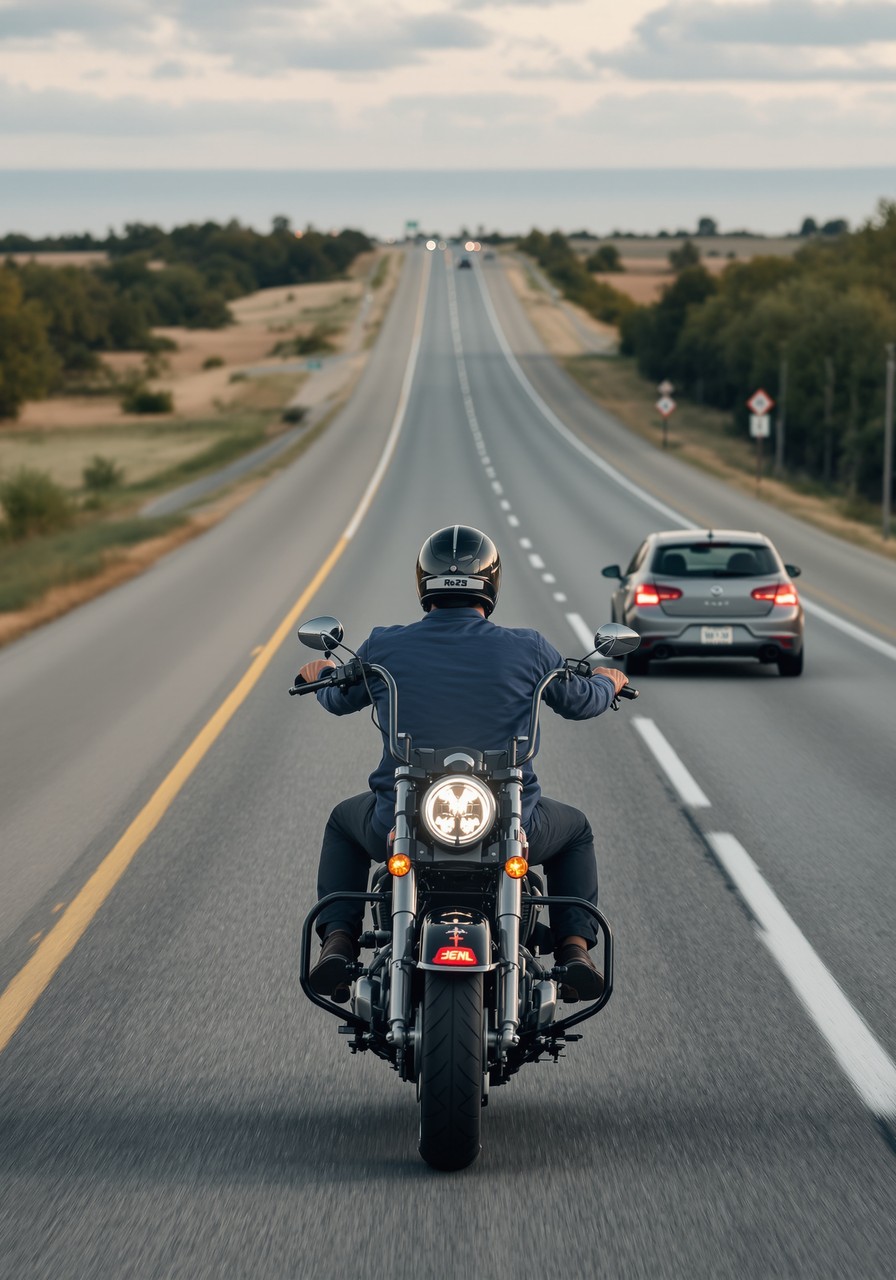
Oklahoma is a tort state, so the at-fault driver's insurance is on the hook, not a no-fault plan of yours. Knowing that changes how you handle the scene. Free case review if you have questions. #RideNationOK #KnowYourRights #OklahomaRiders
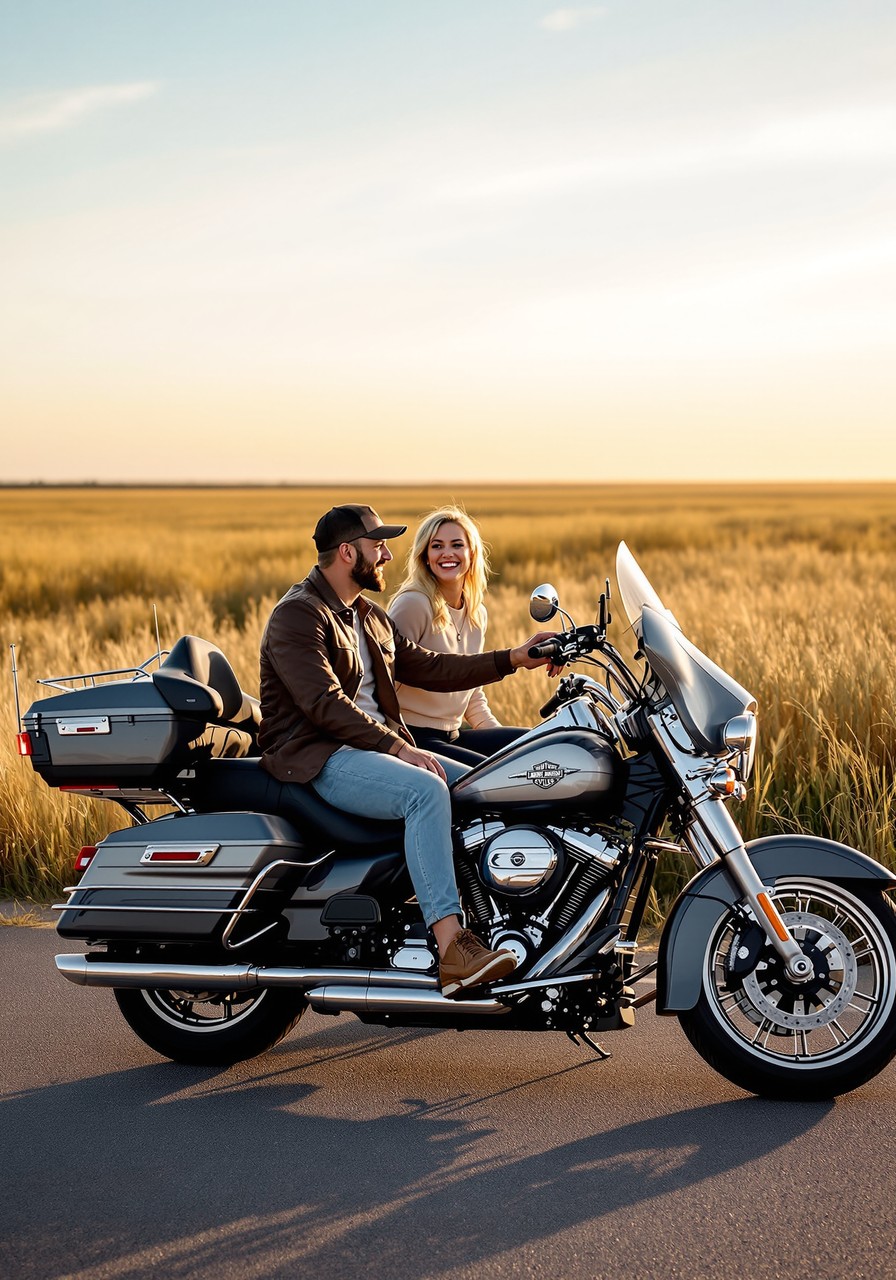
Engagement
Finish the sentence: I ride because ______. Keep it short and keep it real. #RideNationOK #RideOrDie #TulsaRiders
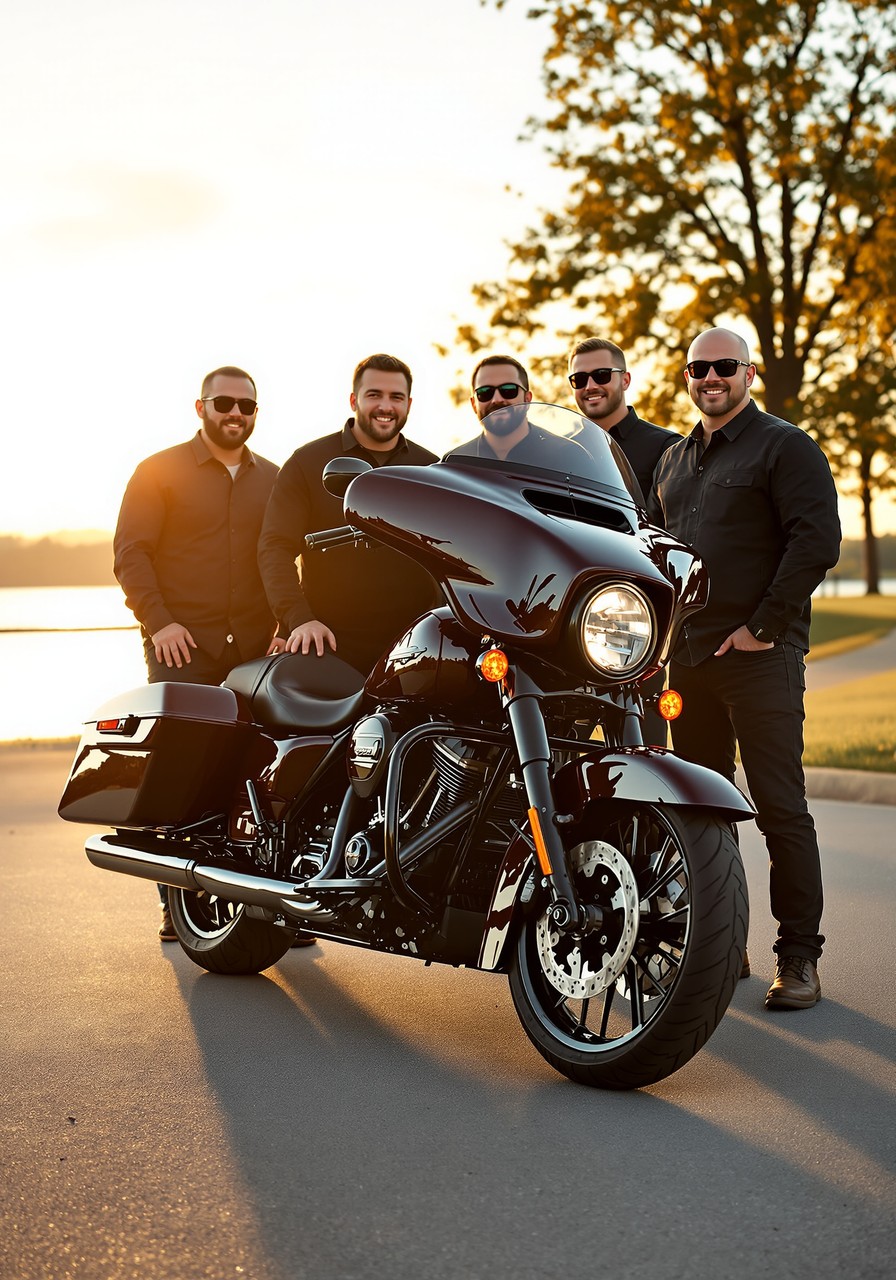
Giveaway & Countdown
Last thing before you scroll on, Tulsa. Free to enter, twenty thousand on the table, and your riding crew needs to know. Call (918) 387-8920. #RideNationOK #BikersWin #TulsaRiders
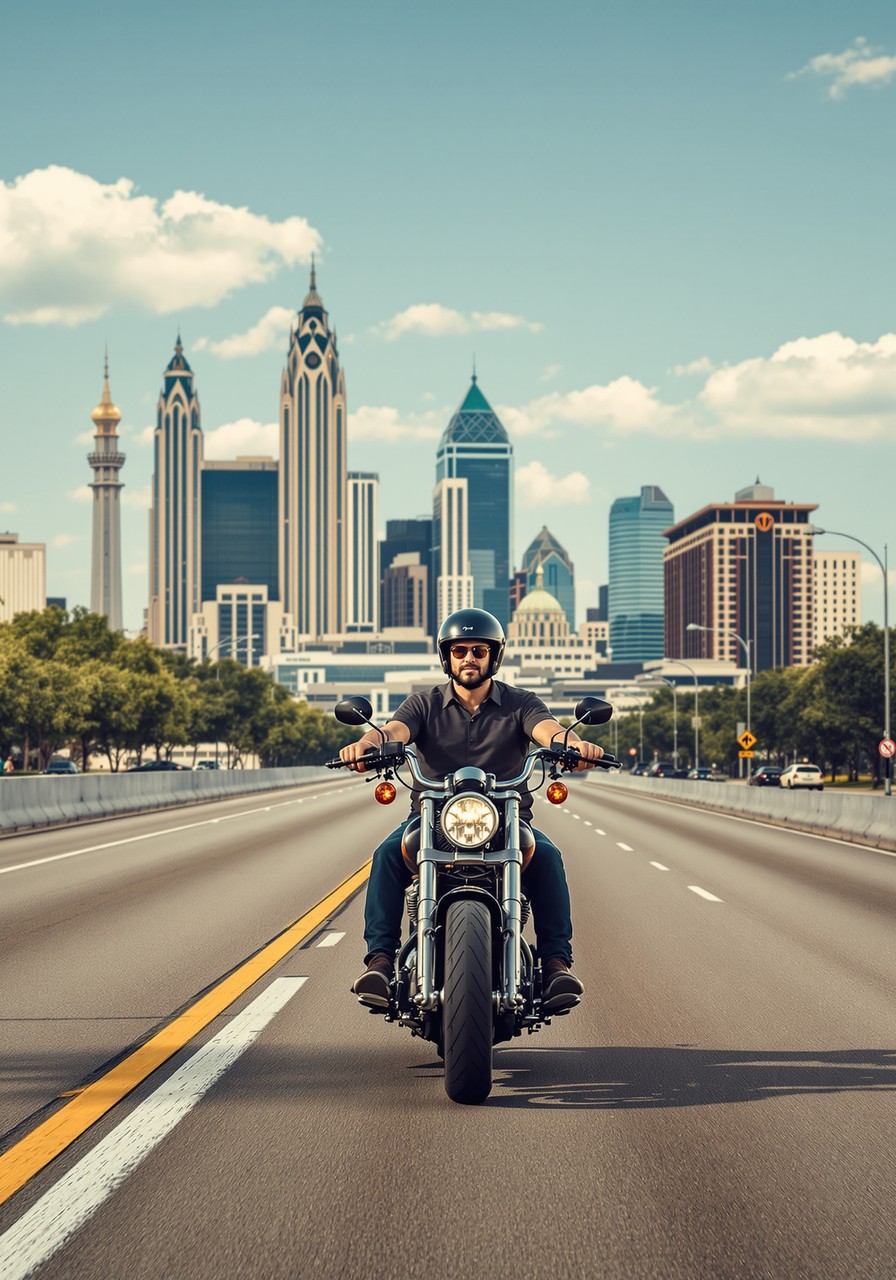
Local OK & Rides
When the first cold front finally breaks the summer heat, that is your Talimena Byway window. Point the bike southeast and go. #RideNationOK #TalimenaByway #MotorcycleRoads
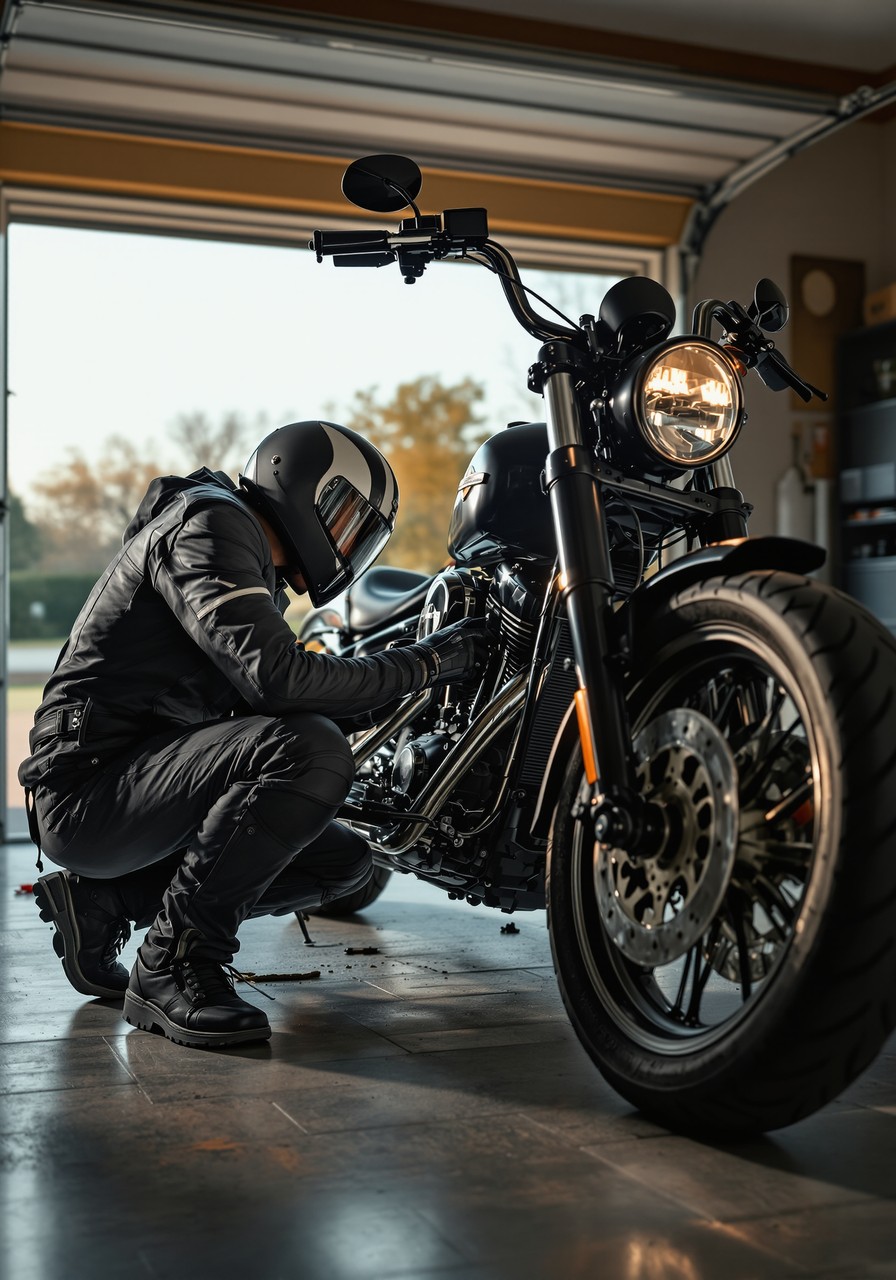
Gear & New Iron
Reflective tape on your bags and helmet does night work for free. It catches headlights from angles a jacket cannot. Cheap, quiet, and it just plain helps. #RideNationOK #RiderTips #TulsaRiders
Safety & OK Law
Never admit fault at the scene, not even a friendly "sorry." In a 51 percent bar state, a stray word can cost your whole claim. Say little, document a lot. #RideNationOK #RiderRights #TulsaRiders